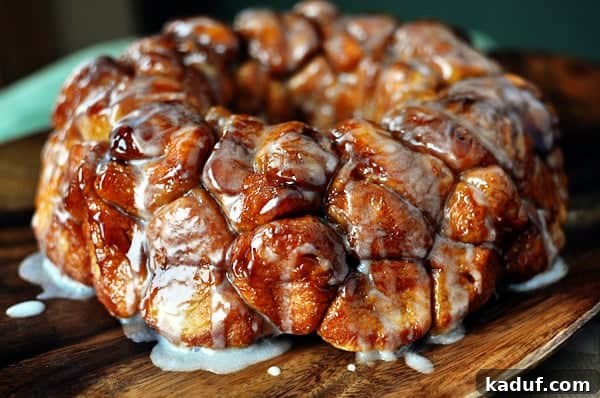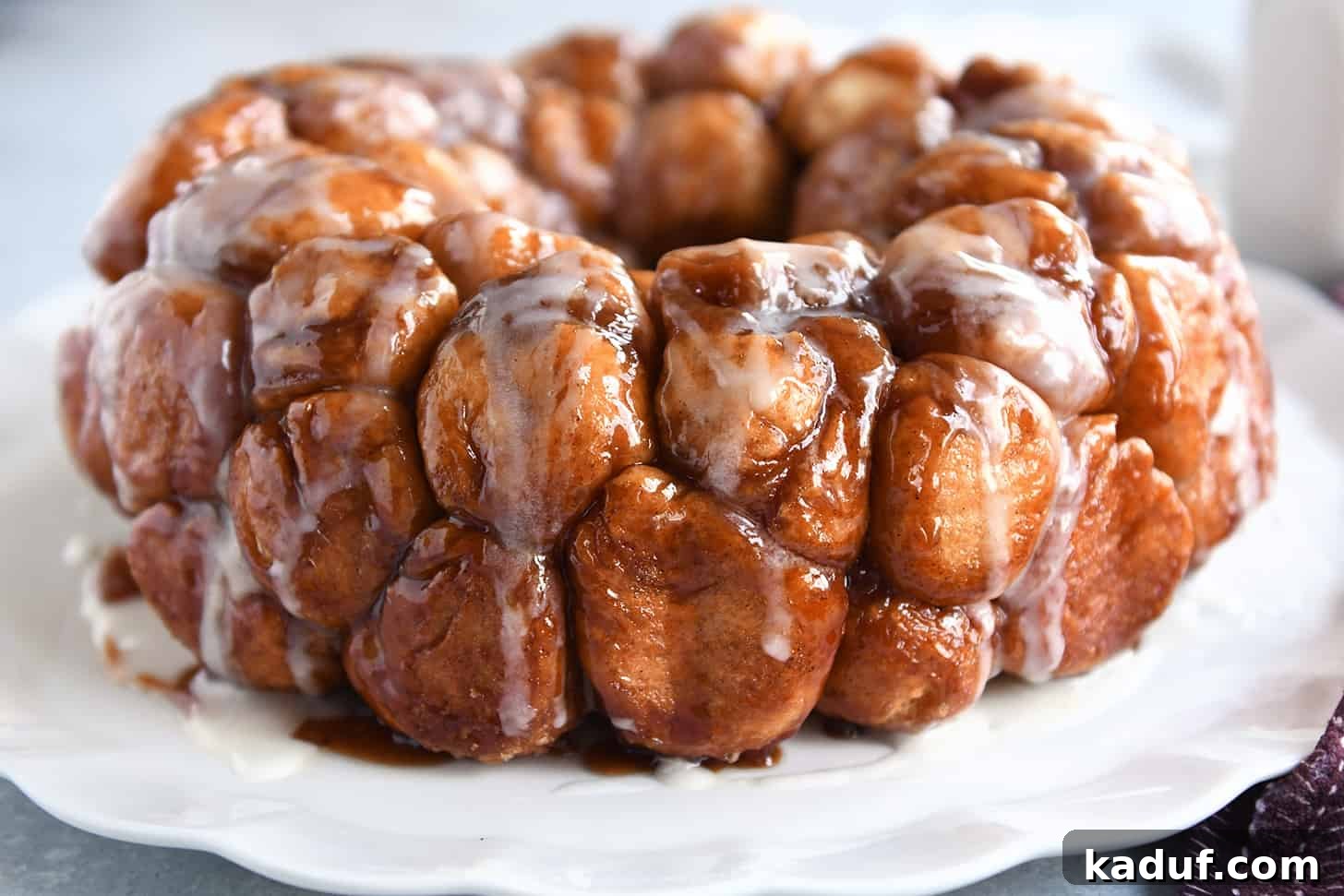
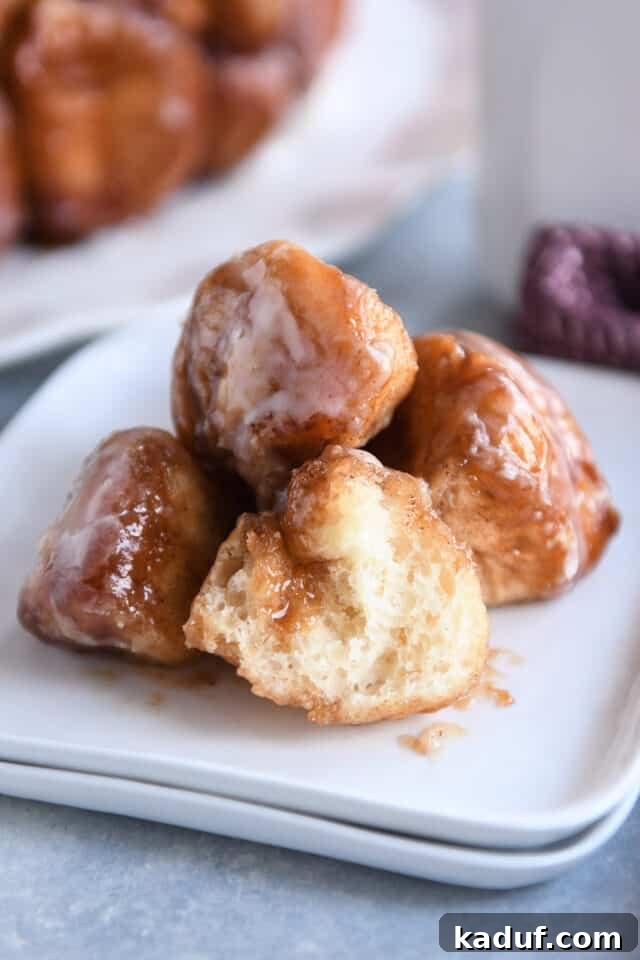
Welcome to the world of truly irresistible pull-apart monkey bread – a creation so delightful, so wonderfully ooey-gooey, and infused with the perfect balance of buttery cinnamon sugar, it’s destined to become a cherished tradition in your home. Forget everything you thought you knew about monkey bread made from canned dough; this homemade version, crafted from an incredibly easy-to-work-with dough, is an absolute game-changer. Imagine the ultimate cinnamon roll, but in a fun, shareable, pull-apart form – that’s the magic of this recipe.
For years, monkey bread has graced our holiday breakfasts, becoming a much-anticipated centerpiece. Its inherent charm lies in its simplicity and its ability to bring people together, everyone eager to snag a warm, sticky piece. While many recipes opt for the convenience of store-bought biscuit dough, we firmly believe that taking a little extra time for a from-scratch dough elevates this classic treat to an entirely new level of deliciousness. The difference in flavor, texture, and overall satisfaction is simply unparalleled.

Crafting the Perfect Dough: Effortless & Rewarding
The secret to truly superior monkey bread starts with the dough. While many recipes suggest the use of canned biscuit dough for a quick fix, we wholeheartedly encourage you to try our homemade version. This isn’t just a slight improvement; it’s a monumental upgrade that will redefine your monkey bread experience. The dough recipe we’re sharing is not only incredibly simple to prepare but also a dream to handle, making the entire baking process enjoyable and stress-free.
Opting for a homemade dough offers several distinct advantages. You control the ingredients, ensuring freshness and avoiding unnecessary preservatives. More importantly, the resulting texture is miles apart from its canned counterpart – incredibly soft, pillowy, and tender, dissolving in your mouth with every bite. This dough kneads beautifully, rises reliably, and transforms into the most succulent, pull-apart pieces imaginable. Even if you’re new to yeast baking, this recipe is remarkably forgiving, practically guaranteeing success.
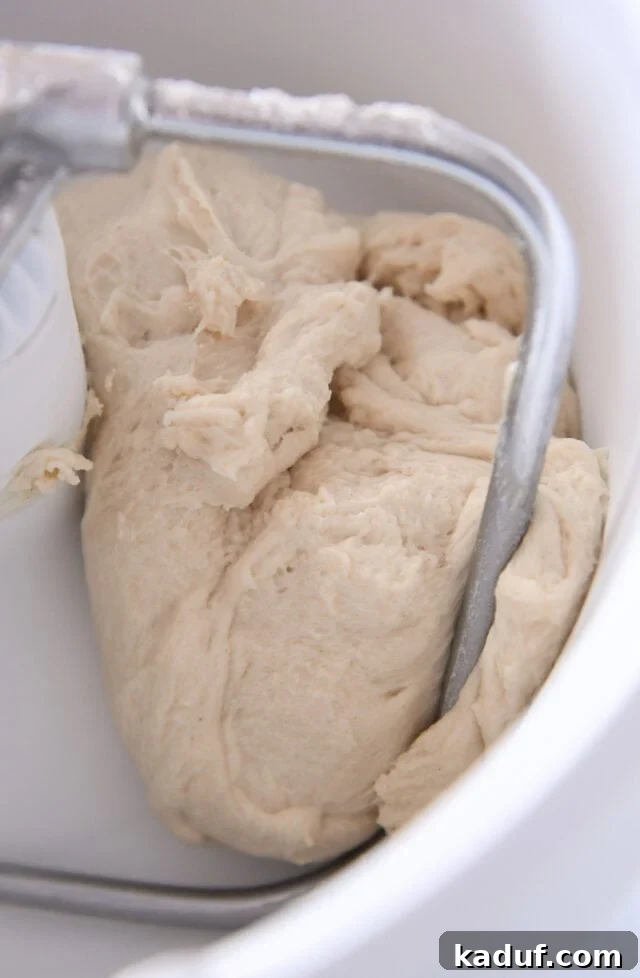
- **Prepare the Dough:** Begin by combining your wet and dry ingredients as specified in the recipe. Knead the dough until it forms a smooth, elastic ball – this typically takes about 5-7 minutes in a stand mixer. Once kneaded, place it in a lightly greased bowl, cover it, and allow it to rise in a warm spot until it has gloriously doubled in size. This crucial first rise develops flavor and creates the airy texture we crave.
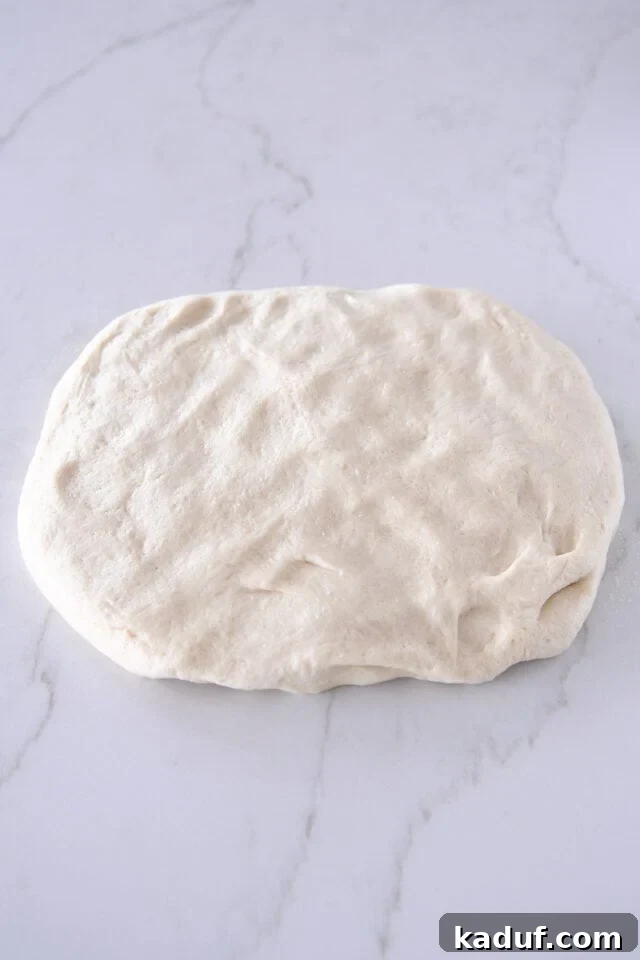
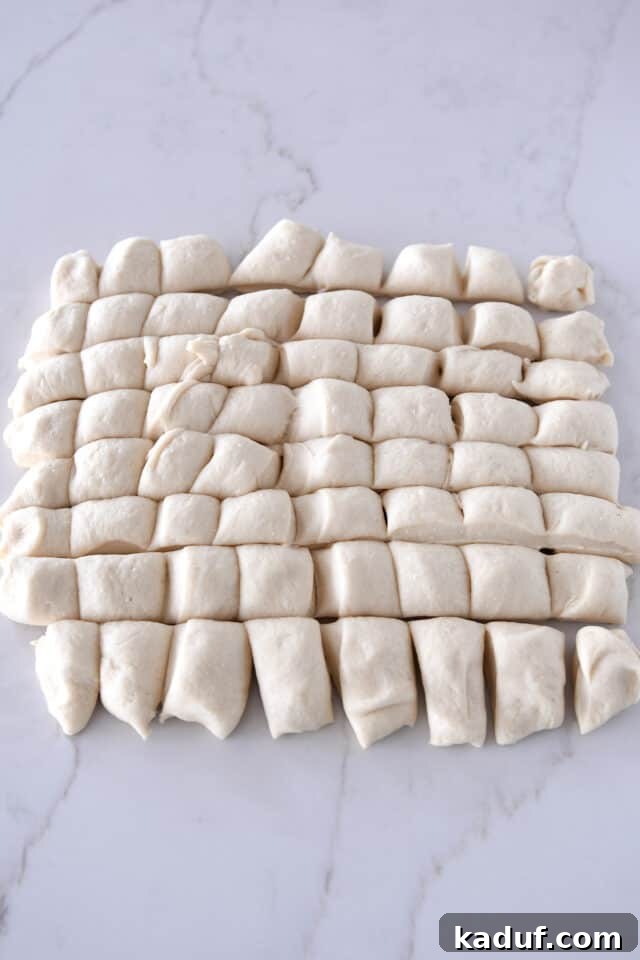
- **Shape the Dough:** Gently turn the risen dough out onto a lightly floured or greased countertop. Using your hands, carefully pat it down into a thick, even square or rectangle. Aim for a thickness that will yield small, bite-sized pieces when cut.
- **Divide into Portions:** With a sharp knife or a bench scraper, cut the dough into approximately 64 equal pieces. Don’t worry about perfect precision here; the beauty of monkey bread is its rustic, organic charm.
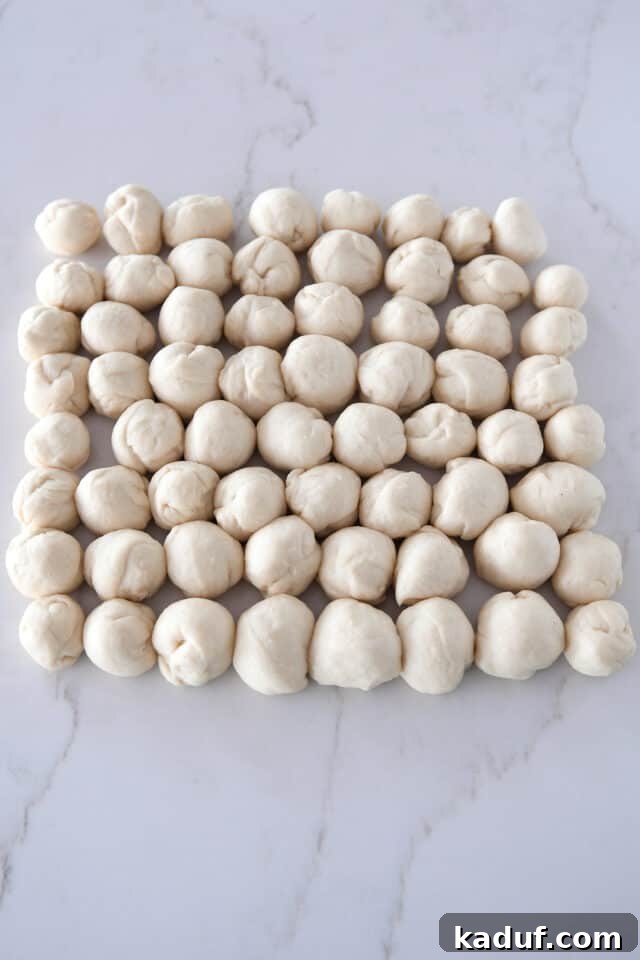
- **Roll into Balls:** Take each small piece of dough and quickly roll it between your palms to form a roughly round shape. Again, perfection isn’t the goal. These little dough balls don’t need to be flawlessly spherical; a slightly dented or irregular shape will still bake up beautifully.
One of the most comforting aspects of making homemade monkey bread is its forgiving nature. If you find yourself with a few more or a few less than 64 pieces, or if your dough balls resemble whimsical, dented ping-pong balls rather than perfectly uniform spheres, there’s absolutely no need to fret. A rustic, handmade appearance is entirely welcome here. The final result, bursting with flavor and delightful texture, will more than compensate for any minor imperfections in the shaping process.
Assembling Your Irresistible Monkey Bread
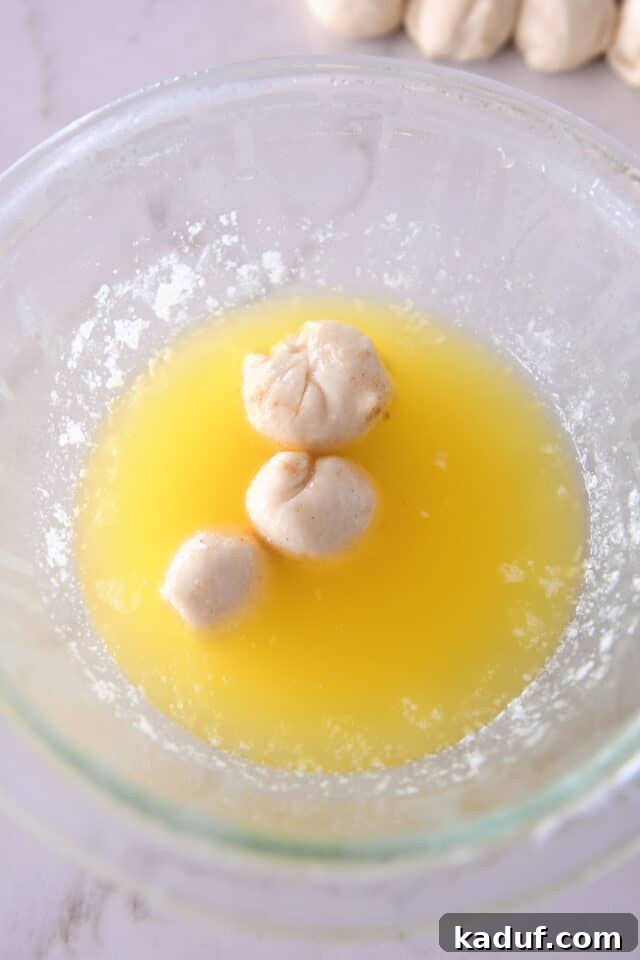
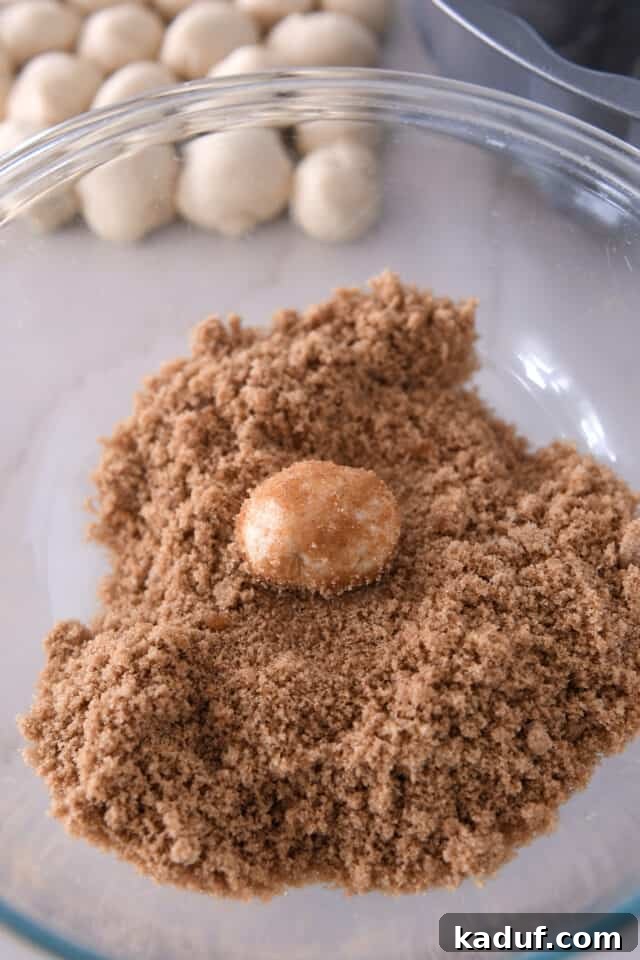
The magic truly begins when we start coating those tender dough pieces. Each little ball embarks on a two-step journey: first, a delightful dip in luscious melted butter, followed by a generous roll in a fragrant mixture of cinnamon and brown sugar. This ensures every nook and cranny is coated with that signature sweet, spiced crust that makes monkey bread so utterly addictive.
Efficiency is key during assembly! There’s no need to meticulously dip and roll each piece individually. A smart approach is to gather a handful of dough pieces, plunge them into the melted butter, allowing any excess to drip away. Then, transfer these buttered gems to the cinnamon and brown sugar bowl for a quick, thorough dusting. This method streamlines the process, getting you closer to that heavenly aroma of baking monkey bread much faster.
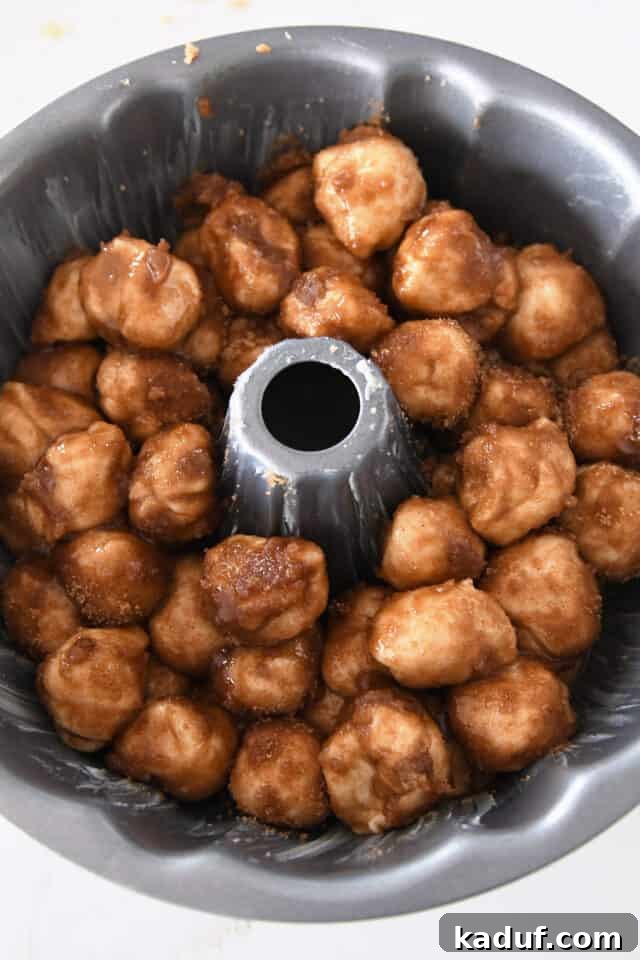
Once coated, arrange all the glistening dough balls carefully into a *generously buttered* bundt pan. The “well-buttered” part cannot be stressed enough – this creates a barrier for the sticky syrup and ensures your monkey bread releases beautifully from the pan after baking. Try to stagger the pieces slightly as you layer them, avoiding stacking them directly on top of one another. This allows for better air circulation and a more even bake, contributing to that wonderful pull-apart texture.
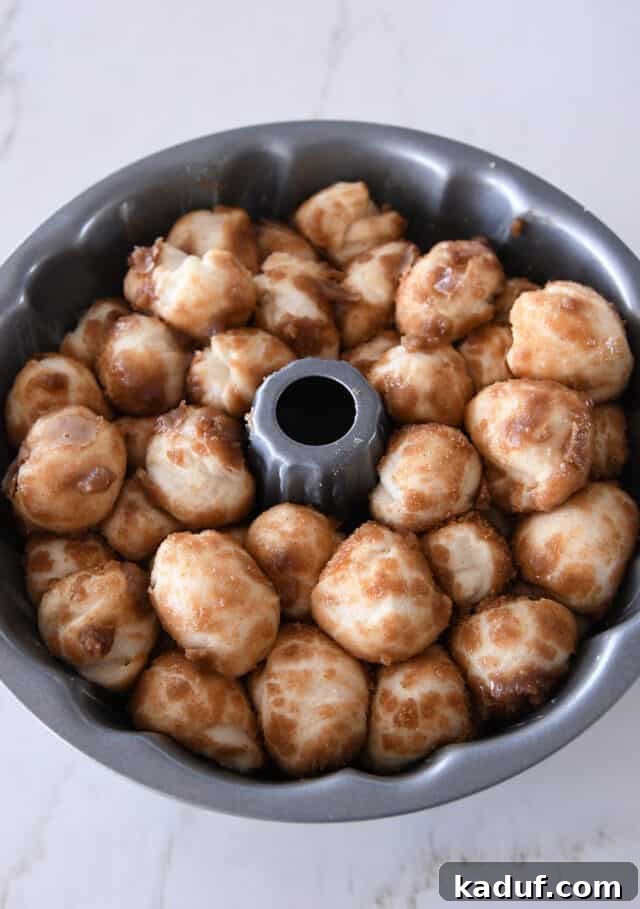
Now, comes perhaps the most crucial step for achieving light, airy, and utterly delectable monkey bread: the second rise. Cover your bundt pan and allow the assembled monkey bread to rise until it is visibly puffy and nearly doubled in volume. This extended rising time ensures a fluffy texture that will practically melt in your mouth. Rushing this stage, or allowing insufficient rising, can lead to a heavy, dense loaf – a culinary tragedy you’ll want to avoid! A properly risen monkey bread, on the other hand, guarantees an irresistible, cloud-like pull-apart experience that will have everyone reaching for more.
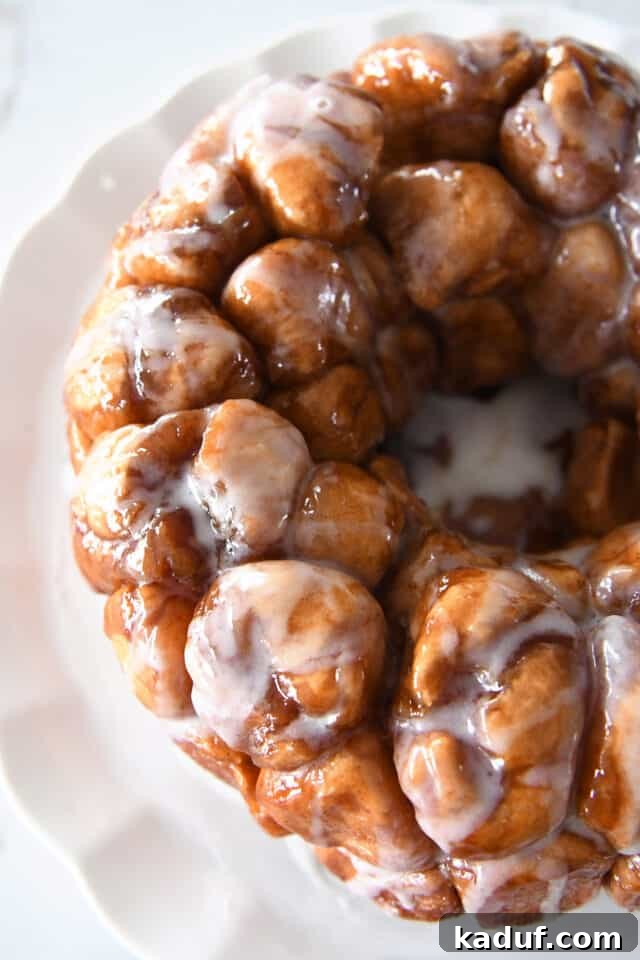
Finally, bake your masterpiece until it achieves a glorious golden-brown hue, indicating it’s perfectly cooked through. As soon as it comes out of the oven, allow it to cool in the pan for just a few minutes – no longer than five! Any more, and the caramelized sugars might cement the bread to the pan. Then, with a quick, confident flip, turn it out onto a serving tray or plate. While still wonderfully warm, drizzle generously with the simple, sweet glaze. Watch as the glaze elegantly cascades into all the intricate nooks and crannies, imparting an extra burst of sweetness and enhancing the signature ooey-gooey charm of this best-ever monkey bread. The aroma alone is enough to bring everyone to the table!

Serve Warm: The Ultimate Monkey Bread Experience
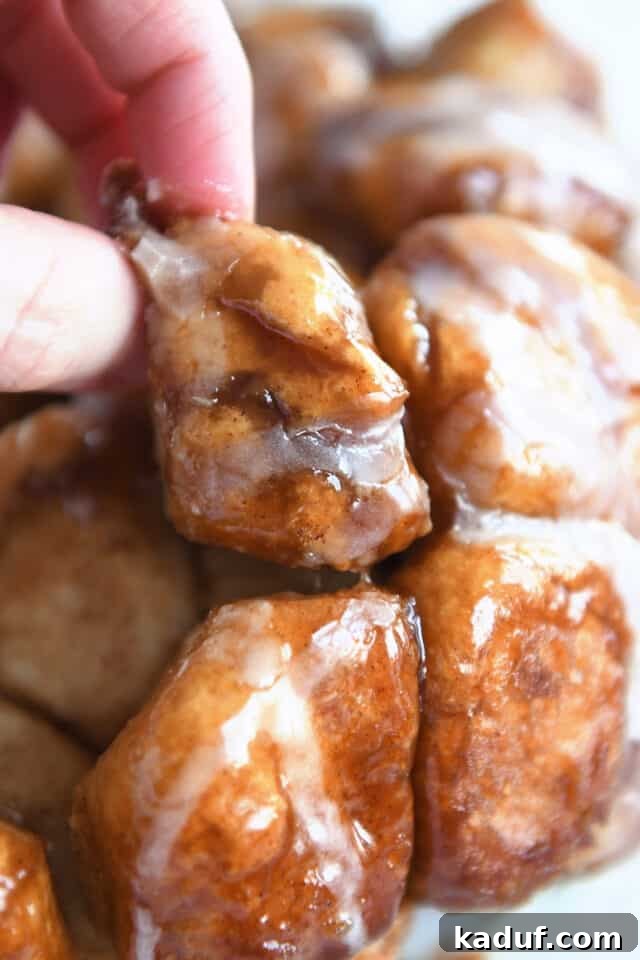
Without a doubt, this cinnamon sugar monkey bread is an experience best savored warm. The heat enhances the buttery goodness, keeps the dough wonderfully soft and tender, and ensures the glaze remains delightfully gooey, seeping into every pocket of flavor. The aroma alone, wafting through your kitchen, is enough to create instant anticipation.
In our home, this sweet treat rarely stands a chance to cool completely. The moment it’s out of the pan and glazed, it becomes a magnet for eager hands. Those irresistible, nibbly, bite-sized pull-apart pieces are designed for communal enjoyment, making it a fantastic addition to any family breakfast, festive brunch, or spontaneous sweet craving. There’s a joyful ritual in everyone pulling off their own sticky piece, each one a miniature bundle of cinnamon-sugar bliss.
Should you seek further inspiration or have questions about variations, we encourage you to explore the extensive comment section below. Over the years, countless home bakers have shared their experiences, tips, and ingenious adaptations – from baking in different pan types to personalizing the spice blend. It’s a treasure trove of monkey bread wisdom, offering a whole heck of a lot of delicious ideas to make this classic your own!
Rave Reviews for The Best Homemade Monkey Bread
This monkey bread recipe isn’t just a fleeting trend; it has stood the test of time, receiving overwhelmingly positive feedback and continuous praise for over a decade. It truly earns its title as the best monkey bread recipe, consistently delighting bakers and eaters alike.
⭐️⭐️⭐️⭐️⭐️ “10/10 love this!!!! Will make again!” -Isabella
⭐️⭐️⭐️⭐️⭐️ “I am in love! Someone else commented that these taste like the center of a cinnamon roll and that is spot on. These are pillowy soft and indulgent. Your instructions were clear and I was able to create a picture-perfect dessert. My family was certainly impressed. I must thank you so much for this recipe. I will be making these again and again for sure!” -Sam
⭐️⭐️⭐️⭐️⭐️ “Every piece tastes like the inside of a cinnamon roll, heaven!! I will never use biscuits again! Thanks for another winner.” –Amanda
⭐️⭐️⭐️⭐️⭐️ “I made this for the first time today, and it was amazing. I did the make-ahead method, and every step is informative and helpful. This really was the most delicious monkey bread I’ve ever had. It has a caramelized flavor that just keeps you going back for more. Wonderful Recipe!” -Raquel
Frequently Asked Questions for Monkey Bread:
Absolutely! This monkey bread is perfect for make-ahead preparation, making it ideal for holiday mornings or busy weekends. Simply follow the recipe through step #8, which involves assembling the coated dough balls in the bundt pan. At this point, cover the pan tightly with plastic wrap and place it in the refrigerator for up to 12-18 hours. A couple of hours before you plan to bake, remove the pan from the refrigerator to allow the monkey bread to come to room temperature and complete its final rise. It should become noticeably puffy, rising 1-2 inches below the top of your bundt pan (the exact measurement will vary based on your pan’s dimensions). Then, bake as directed in step #7 and continue with the remaining recipe instructions. To expedite the rising process for refrigerated dough, you can place the pan in a slightly warm (but turned off) oven with the oven light on, creating a cozy environment for the yeast.
While a bundt pan creates the iconic shape and ensures even baking and caramelization, you can certainly experiment with other pan styles. For a more rectangular presentation, a 9×13-inch baking pan would work well. Alternatively, you could divide the dough between two standard loaf pans. It’s important to note that the baking time might need slight adjustments for different pan sizes, so keep an eye on it. However, we strongly advise against using an angel food cake pan, as its removable bottom will likely allow the delicious butter and sugar mixture to leak out, creating an undesirable mess in your oven.
Yes, active dry yeast can be used as a substitute for instant yeast in this recipe. When using active dry yeast, you’ll typically need to activate it first. Dissolve the active dry yeast in the warm milk and water mixture with a pinch of sugar (from the recipe’s total sugar) and let it sit for about 5-10 minutes until foamy. This indicates the yeast is active. Then, proceed with the recipe as directed, adding this activated liquid mixture to your flour and salt.
The Best Monkey Bread
Pin
Rate
Ingredients
For the pan:
- 2 tablespoons softened butter
Dough:
- 2 tablespoons (28 g) melted butter
- 1 cup warm milk (about 105 to 110 degrees F)
- ⅓ cup warm water (about 105 to 110 degrees F)
- ¼ cup (53 g) granulated sugar
- 2 ¼ teaspoons instant yeast
- 3 ¼ cups (462 g) all-purpose flour
- 2 teaspoons salt
Brown Sugar Coating:
- 1 cup (212 g) packed light brown sugar
- 2 teaspoons ground cinnamon
- ½ cup (113 g) butter, melted
Glaze:
- 1 cup (114 g) confectioners’ sugar
- 2 tablespoons milk
Instructions
-
In a large measuring cup or bowl, thoroughly mix together the warm milk, warm water, melted butter, granulated sugar, and instant yeast.
-
In a stand mixer bowl fitted with the dough hook attachment, add the all-purpose flour and salt. With the mixer set to low speed, gradually pour in the liquid milk mixture. Once combined, increase the mixer speed to medium and knead the dough until it becomes beautifully smooth and elastic, which typically takes about 5 to 7 minutes. Only add extra flour, a tablespoon or two at a time, if the dough appears excessively sticky and adheres heavily to the bottom and sides of the bowl. After kneading, the dough should feel soft, supple, and slightly tacky without leaving significant residue on your fingers.
-
Transfer the kneaded dough to a lightly greased bowl. Cover the bowl securely with plastic wrap or a clean kitchen towel and allow the dough to rise in a warm, draft-free place until it has doubled in size. This process usually takes between 1 to 2 hours, depending on the warmth of your environment.
-
Prepare your 12-cup bundt pan by spreading the softened butter evenly across all its interior surfaces. Use a pastry brush or a piece of wax/parchment paper to ensure every nook and cranny is thoroughly coated. This step is vital for easy release later. Set the pan aside.
-
Once the dough has risen, gently punch it down to release the air. On a very lightly floured or greased countertop, press the dough into a thick rectangle or square, aiming for approximately 8 to 9 inches across. Utilize a bench scraper or a pizza cutter to divide the dough into 64 small, roughly equal pieces.
-
Take each small piece of dough and roll it between your palms to form a round ball shape. As mentioned before, they don’t need to be perfectly uniform.
-
In a separate shallow bowl or dish, combine the light brown sugar and ground cinnamon, mixing them well to create your aromatic coating.
-
Dip a handful of dough pieces into the bowl of melted butter, allowing any excess to drip off. Then, transfer these buttered pieces into the brown sugar and cinnamon mixture, rolling them gently to ensure a thorough coating. Layer the coated dough balls into your prepared Bundt pan, staggering them slightly so they are not directly stacked on top of each other. Continue this process until all dough balls are placed in the pan.
-
Cover the Bundt pan once more and let the assembled monkey bread rise again. This second rise is crucial: allow it to become noticeably puffy and nearly doubled in volume, typically taking another 1 to 2 hours. This ensures a light and airy finished product.
-
Preheat your oven to 350 degrees F (175 degrees C). Uncover the bundt pan and bake the monkey bread for 30 to 35 minutes, or until it is golden brown on top and thoroughly baked through. An instant-read thermometer inserted into the center of the bread should register between 190 to 200 degrees F (88 to 93 degrees C).
-
Allow the monkey bread to cool in the bundt pan for no longer than 5 minutes after baking. Cooling for too long can cause the caramelized sugar to stick the bread to the pan, making removal difficult. After 5 minutes, carefully invert the pan onto a serving platter.
-
While the monkey bread is still warm, prepare the glaze. In a small bowl, whisk together the confectioners’ sugar and milk until you achieve a smooth, pourable consistency. Drizzle this delightful glaze generously over the top and down the sides of the warm monkey bread. Serve immediately and enjoy the ooey-gooey goodness!
Notes
Make-Ahead Instructions: For convenient preparation, this monkey bread can be assembled in advance. After you’ve arranged all the coated dough balls in the bundt pan (following step #7), cover the pan tightly with plastic wrap. Immediately place the covered pan in the refrigerator. It can be stored this way for up to 12-18 hours. When you’re ready to bake, remove the pan from the refrigerator approximately 2 hours before baking time. Allow the monkey bread to come to room temperature and complete its final rise until it is puffy and has risen 1-2 inches below the top edge of your bundt pan (the exact rise will depend on your pan’s dimensions). Then, bake according to the instructions in step #9.
Recommended Products
Recipe Source: adapted slightly from Cook’s Illustrated
Recipe originally posted Oct. 2012; updated Jan. 2024 with new photos, recipe notes, etc.