
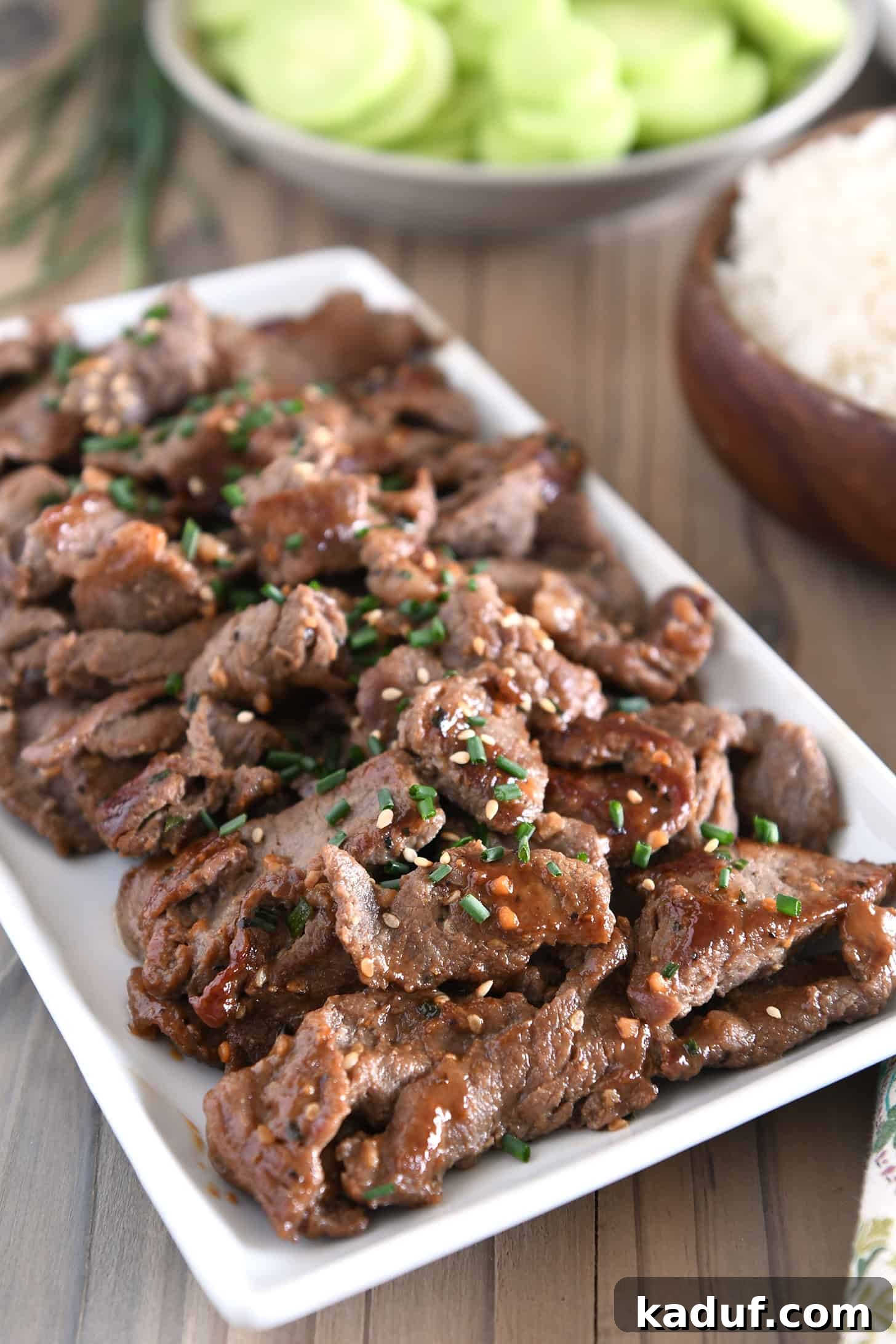
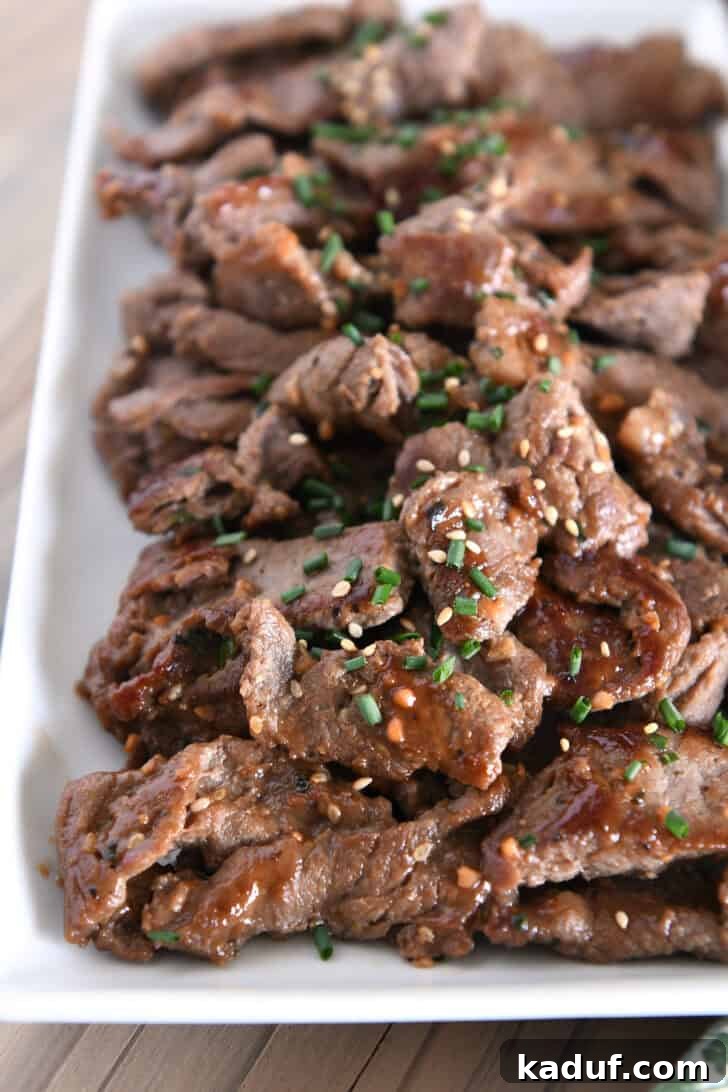
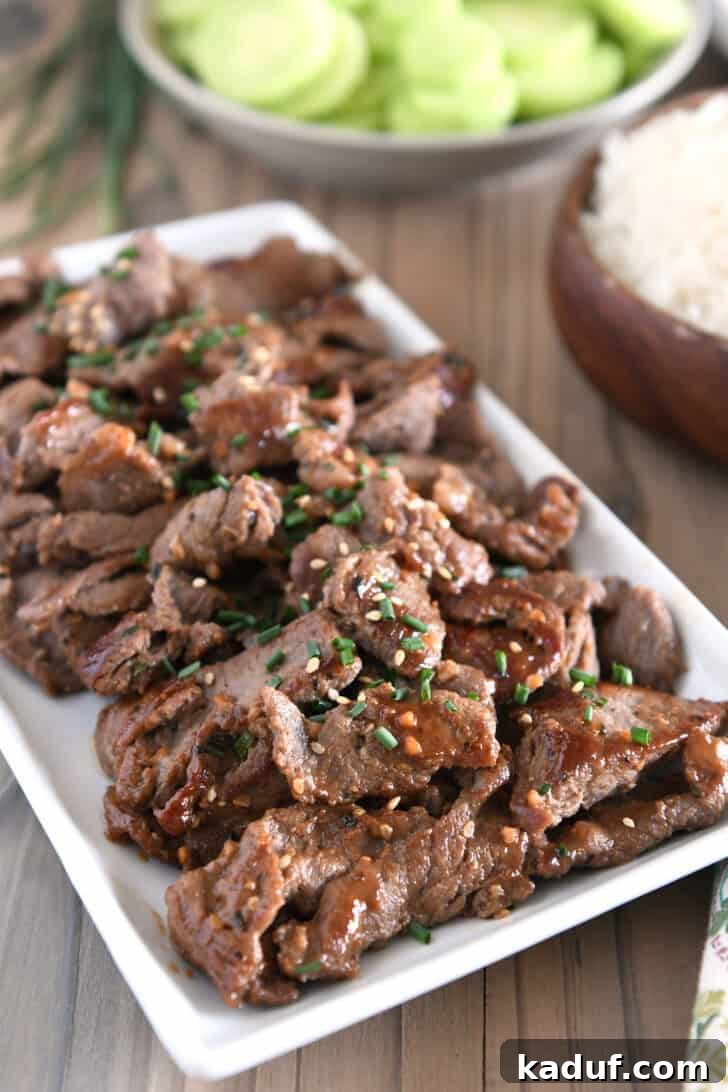
Welcome to the ultimate guide for creating authentic and mouth-watering Beef Bulgogi, a truly iconic dish that stands as a cornerstone of Korean BBQ. This recipe transforms thin slices of beef into a tender, intensely flavorful culinary experience through a simple yet powerful marination and cooking process. Get ready to impress your taste buds and your guests with this delightful Korean specialty!
My first encounter with Bulgogi was nearly two decades ago during a memorable trip to South Korea with my brother, who was fluent in the language and served as my cultural guide. While I spent a good deal of my time smiling and nodding through conversations I couldn’t quite grasp, there was one universal language I perfectly understood: the incredible taste of beef bulgogi. It was unbelievably good! The memory of that succulent, sweet, and savory meat has stayed with me ever since, inspiring me to recreate that magic in my own kitchen. What I discovered is that achieving that authentic taste at home is surprisingly simple, and this recipe is my go-to for bringing a piece of Korea to my dinner table.
Choosing the Best Cut of Beef for Authentic Bulgogi
The foundation of exceptional bulgogi lies in selecting the right cut of beef. While many options exist, certain cuts are superior for achieving that signature tender texture and absorbing the rich marinade. Here are the top choices that yield outstanding results:
- Top Sirloin: A lean yet flavorful cut, top sirloin is widely available and a popular choice for bulgogi. Its moderate fat content ensures a good balance of tenderness and beefy taste, especially when sliced thinly across the grain.
- Ribeye: For a more luxurious and melt-in-your-mouth experience, ribeye is an excellent option. Its generous marbling contributes to incredible juiciness and flavor, making it incredibly tender after marinating and quick cooking.
- Skirt Steak: Known for its robust flavor and fibrous texture, skirt steak is fantastic for bulgogi when prepared correctly. It’s crucial to slice it very thinly and strictly against the grain to break down its muscle fibers and ensure tenderness.
- Brisket (thinly sliced): While less common, very thinly sliced brisket can also be used. Its inherent toughness requires meticulous thin slicing and a longer marination time to achieve tenderness.
- Tenderloin (expensive option): If you’re looking to splurge, beef tenderloin can provide incredibly tender bulgogi, though its mild flavor means the marinade plays an even more critical role.
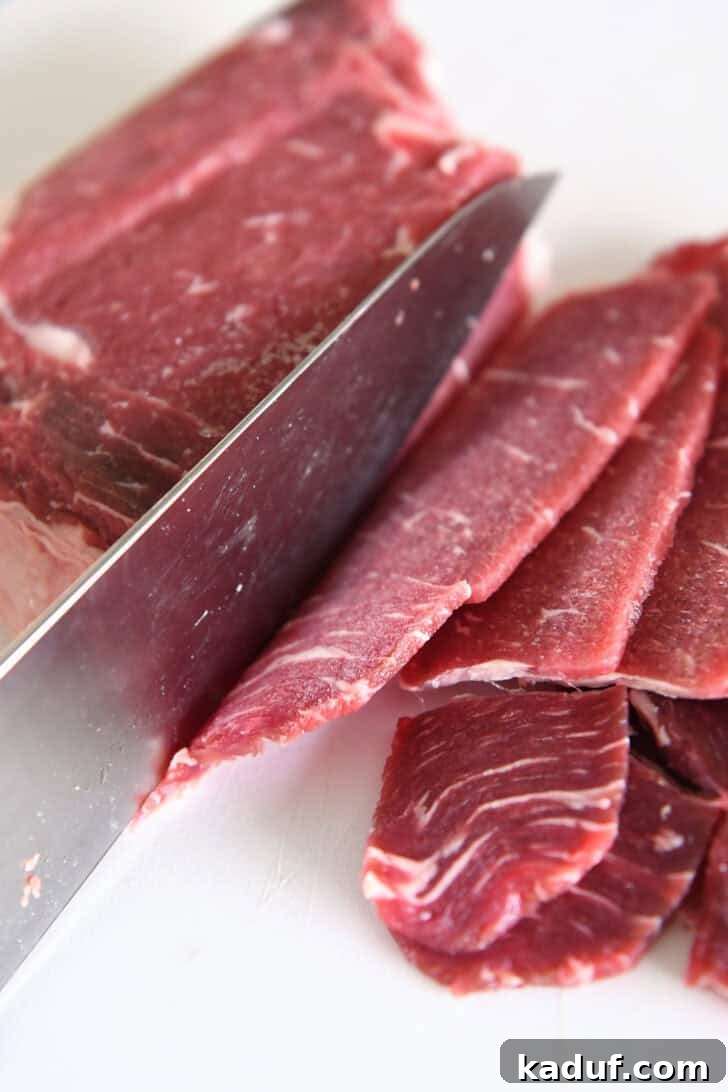
This list highlights the most effective choices for homemade bulgogi, but the overarching principle remains constant: the key to succulent beef bulgogi is to slice the beef incredibly thin, and always across the grain. This preparation method is vital for tenderness, allowing the beef to cook quickly and absorb the marinade deeply, resulting in that irresistible caramelized finish.
Understanding “Across the Grain”: This culinary term refers to cutting perpendicular to the direction of the muscle fibers in the meat. To identify the grain, examine your piece of beef closely; you’ll notice natural lines or strands running parallel to each other. To cut “across the grain,” position your knife to slice perpendicular to these lines. For instance, if the muscle fibers run horizontally along the steak, you should cut vertically. This technique shortens the fibers, making the cooked meat far more tender and easier to chew, which is absolutely essential for bulgogi’s delicate texture.
Essential Tips for Perfect Bulgogi
Crafting truly outstanding beef bulgogi requires attention to a few critical details. These tips will elevate your dish from good to unforgettable, ensuring every bite is tender, juicy, and packed with flavor.
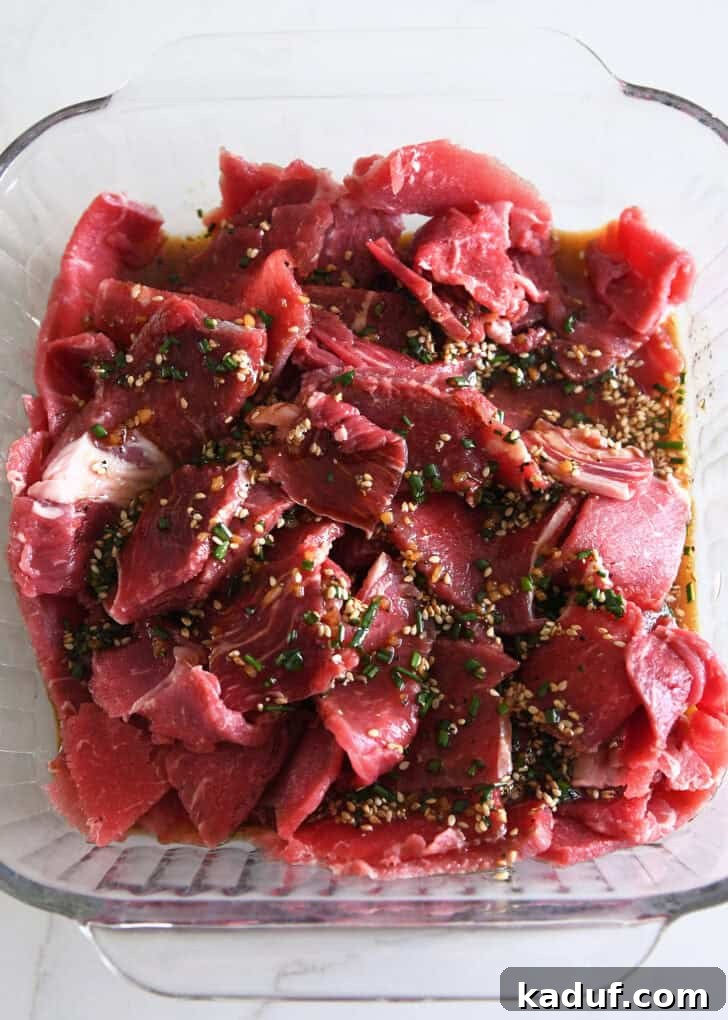
- Freeze the Meat for Easy Slicing: This is arguably the most crucial tip for achieving ultra-thin, uniform slices of beef. Place your chosen cut of beef in the freezer for about 20-30 minutes, or until it’s firm but not fully frozen. This slight freezing stiffens the meat, making it much easier to slice against the grain into consistently thin pieces (ideally around 1/8-inch thick).
- Always Slice Across the Grain: As discussed, cutting against the grain is non-negotiable for tender bulgogi. This technique breaks down the tough muscle fibers, preventing the meat from becoming chewy and ensuring it melts in your mouth with every bite.
- Marinate for Optimal Flavor Development: The marinade is the heart of bulgogi. While a minimum of one hour will impart flavor, for the best results, aim for a longer marination period—preferably 4 to 12 hours. Overnight marinating allows the sweet and savory flavors to deeply penetrate the thin slices of beef, and the acidic components in the marinade (like fruit if you choose to add it, or simply the soy sauce base) help tenderize the meat further.
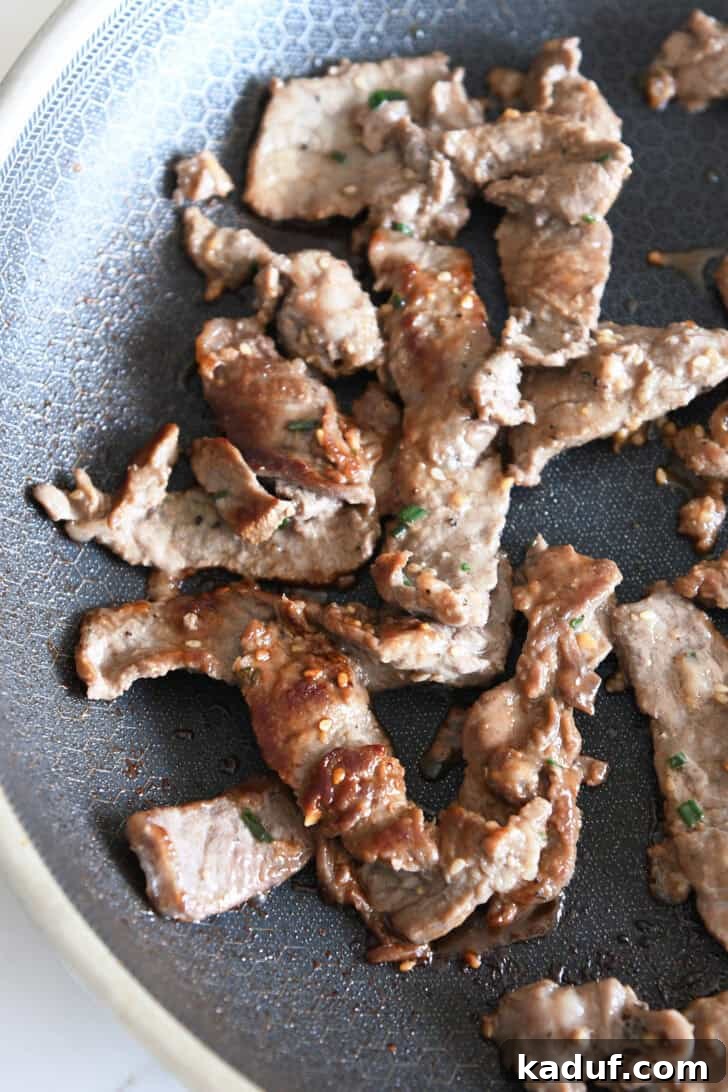
- Do Not Overcrowd the Pan: When it comes to cooking bulgogi, patience is a virtue. Cook the beef in batches to avoid overcrowding your skillet or grill. Overcrowding lowers the pan’s temperature, causing the meat to steam rather than sear. This prevents the desired caramelization and browning, leading to less flavorful, grey-looking beef. Cook small batches until beautifully browned and slightly charred at the edges.
Remember, this traditional Korean dish isn’t meant to be excessively saucy. Instead, the magic happens as the marinade reduces during cooking, clinging to the beef and creating a rich, caramelized glaze that enhances the natural sweetness and savory notes of the meat.
Beef bulgogi is incredibly versatile in its cooking methods. You can achieve fantastic results using a hot skillet on your stovetop, a specialized grill pan for those appealing grill marks, or even an outdoor grill. If using an outdoor grill, exercise a little caution to prevent the small, delicate pieces of beef from slipping through the grates; a grill basket can be very helpful here.
Traditional and Modern Serving Suggestions for Bulgogi
Beef bulgogi, with its rich flavors and tender texture, is a star dish that pairs wonderfully with a variety of accompaniments. Whether you prefer a traditional Korean spread or a more Western-influenced meal, there are countless ways to enjoy this delectable beef.
For a simple yet satisfying meal, we often enjoy this flavorful beef with a generous serving of hot, fluffy white rice. The rice acts as a perfect neutral canvas, soaking up all the delicious juices and complementing the bold flavors of the bulgogi. Alongside, fresh or lightly sautéed/roasted vegetables add a refreshing contrast and essential nutrients. Think crisp steamed broccoli, vibrant bell peppers, or tender asparagus.
Transforming bulgogi into a vibrant and customizable rice bowl is another fantastic option! Building on a base of rice, you can add an array of toppings like crisp lettuce, shredded carrots, thinly sliced cucumbers, a sprinkle of fresh cilantro, and a drizzle of spicy gochujang sauce or a creamy sriracha mayo. These Korean beef bowls are a great starting point, using this exact bulgogi recipe for the star protein. Pure deliciousness in every bite!
My memories of eating beef bulgogi in Korea years ago vividly include the communal dining experience. At traditional Korean BBQ restaurants, small pieces of marinated beef were often grilled right at our table. We would then take these piping hot, freshly cooked pieces of beef and wrap them in crisp lettuce leaves, often adding a dollop of spicy, flavorful sauces (which remained delightfully unnamed to my foreign palate!). And, of course, no Korean meal is complete without an assortment of banchan (small side dishes). Kimchi, the fermented cabbage staple, was always present, offering its distinctive spicy and tangy kick that perfectly cut through the richness of the beef.
Other traditional accompaniments include:
- Seasoned Spinach (Sigeumchi Namul): A light and refreshing side dish.
- Bean Sprout Salad (Kongnamul Muchim): Crunchy and subtly seasoned.
- Radish Kimchi (Kkakdugi): Another popular kimchi variation offering a different texture and flavor profile.
- Ssamjang: A spicy dipping sauce made from gochujang, doenjang, garlic, and sesame oil, perfect for lettuce wraps.
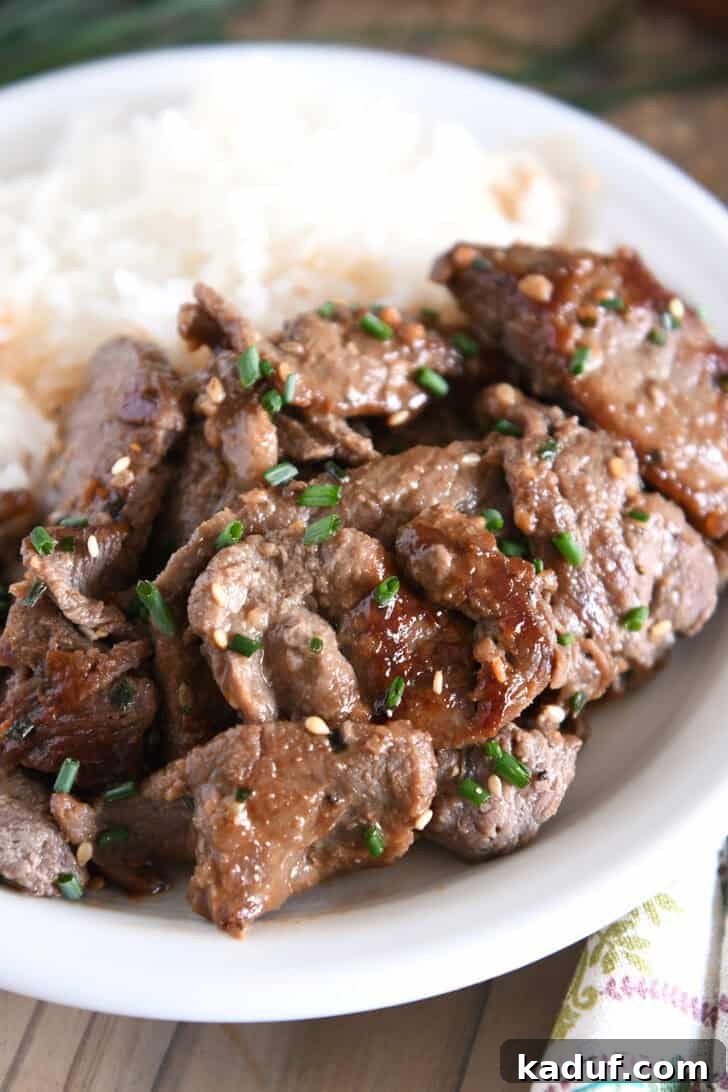
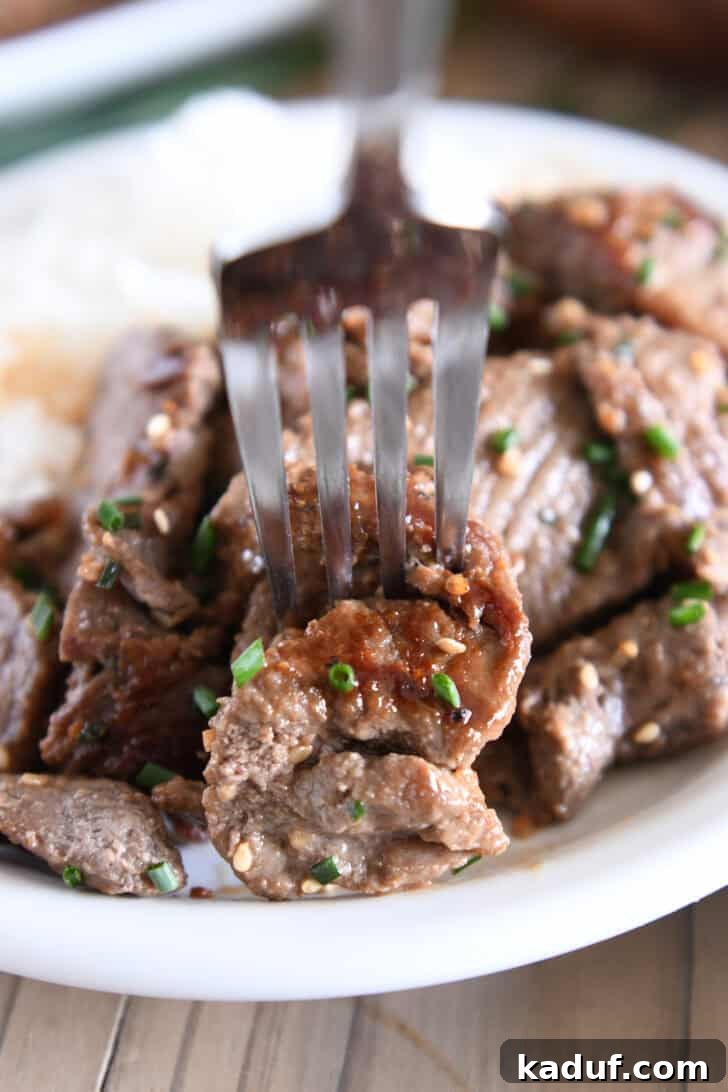
No matter how you choose to serve it, you are guaranteed to be rewarded with some of the most flavorful and satisfying beef you’ll ever taste. This easy beef bulgogi recipe is not only simple and quick to prepare, making it ideal for weeknight dinners, but it’s also incredibly popular. I often find myself doubling the recipe, as my protein-loving teenagers can (and do!) devour mountains of this delicious beef in one sitting. It’s a crowd-pleaser that never disappoints!
Perfect Pairings for Your Bulgogi:
- Hot, fluffy white rice or a more indulgent buttery garlic rice.
- Crisp 5-Minute Skillet Broccoli (or any other fresh, sautéed, or roasted vegetable of your choice).
- A fresh green salad with a light vinaigrette.
- Korean cucumber salad (Oi Muchim) for a tangy crunch.
- Various types of kimchi for an authentic Korean experience.
More Delicious Recipes You Might Enjoy:
One Year Ago: Easy Chocolate Chip Snack Cake
Two Years Ago: Slow Cooker Mexican Beef {Instant Pot Directions Included}
Three Years Ago: No-Bake Peaches and Cream Sensation Dessert
Four Years Ago: The Best Sloppy Joes
Five Years Ago: Easy Sheet Pan Chicken Fajitas
Six Years Ago: Homemade Canned Spaghetti Sauce {Step-by-Step Tutorial}
Seven Years Ago: Double Chocolate Zucchini Brownies
Eight Years Ago: Tri-Color Pasta Salad {My Favorite Pasta Salad}
Nine Years Ago: Portillo’s Chopped Salad with Sweet Italian Dressing
Ten Years Ago: Homemade Condensed Cream of Chicken Soup
Easy Beef Bulgogi {Korean BBQ Beef}
5
to 6 servings
20 minutes
2 hours
2 hours
20 minutes
Pin
Rate
Save
Saved!
Ingredients
Marinade:
-
¼
cup
soy sauce (use low-sodium for better control over saltiness) -
3
tablespoons
granulated or brown sugar (brown sugar adds a deeper molasses note) -
2
tablespoons
water (helps distribute the marinade evenly) -
2
teaspoons
toasted sesame seeds (for nutty aroma and texture) -
2
teaspoons
toasted sesame oil (essential for authentic Korean flavor) -
4
cloves
garlic, finely minced (about 1 tablespoon, adds pungent depth) -
¼
teaspoon
coarsely ground black pepper (freshly ground is best) -
2
green onions or a handful of chives, minced (about 3 to 4 tablespoons, for fresh oniony notes)
Beef:
-
1 ½
pounds
boneless top sirloin, ribeye, or skirt steak, thinly sliced into 1/8-inch pieces (see note on freezing for easy slicing) -
1
tablespoon
oil (such as vegetable, canola, or a light olive oil, for cooking) - Hot, cooked rice and sautéed or roasted veggies, for serving (optional, but highly recommended!)
Instructions
-
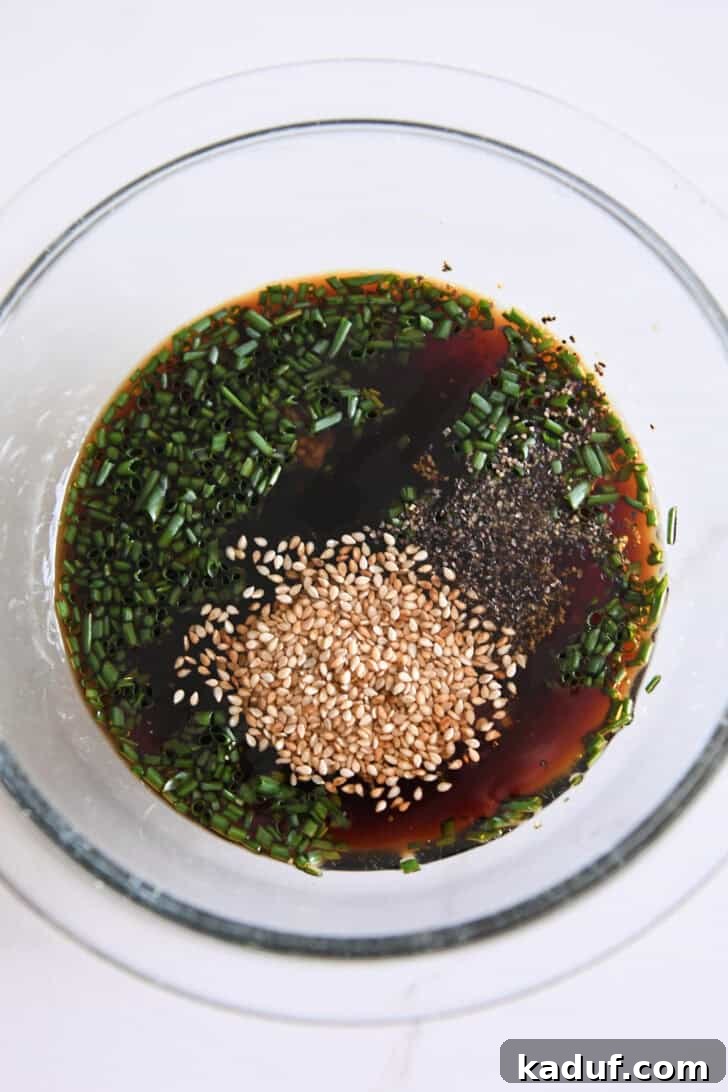
1. In a medium-sized bowl, combine all the marinade ingredients: soy sauce, sugar, water, toasted sesame seeds, toasted sesame oil, minced garlic, black pepper, and minced green onions. Whisk thoroughly until all ingredients are well combined and the sugar has dissolved.
-
2. Place the thinly sliced beef into a shallow dish or a large resealable bag. Pour the prepared marinade over the meat, ensuring every slice is evenly coated. Gently toss the beef to distribute the marinade. Cover the dish (or seal the bag) and refrigerate for a minimum of one hour. For the most profound flavor and tender texture, marinate for 4 to 12 hours, or even overnight.
-
3. When ready to cook, heat a large grill pan or heavy-bottomed skillet over medium-high heat. Add one tablespoon of cooking oil and allow it to heat until it shimmers and shows ripples, indicating it’s hot enough. (Alternatively, you can preheat an outdoor BBQ grill to medium-high heat.)
-
4. Add the marinated beef to the hot pan in a single layer, making sure not to overcrowd it. Cook the beef for 2 to 3 minutes per side, or until it develops a beautiful caramelized crust and is cooked through. The quick cooking time is key to retaining tenderness. Remove the cooked beef to a plate and repeat the process with the remaining batches until all the beef is cooked.
-
5. Serve the beef bulgogi immediately, garnished with extra sesame seeds or sliced green onions if desired. It pairs perfectly with hot, steamed rice and your choice of fresh or cooked vegetables for a complete and satisfying meal.
Notes
Soy Sauce Choice: I consistently opt for low-sodium soy sauce in my cooking. This allows me to control the overall salt content of the dish more effectively, adding salt as needed. However, if you prefer a bolder, saltier flavor, feel free to use regular soy sauce; just be mindful of any additional seasoning.
Flavor Boost (Optional): For an extra layer of traditional bulgogi flavor and a natural tenderizer, consider adding 1-2 tablespoons of grated Asian pear or a small amount of finely minced kiwi to your marinade. These fruits contain enzymes that break down meat fibers, contributing to even more tender beef and a subtle sweetness.
Make Ahead: Bulgogi is excellent for meal prep! You can marinate the beef up to 2 days in advance, keeping it covered in the refrigerator. Cooked bulgogi also reheats well, making it perfect for quick weeknight meals or packed lunches. Store cooked leftovers in an airtight container in the fridge for up to 3-4 days.
Mel Gunnell
Main Course
Korean
Stovetop, Grilling
Serving:
1
serving
,
Calories:
271
kcal
,
Carbohydrates:
9
g
,
Protein:
32
g
,
Fat:
12
g
,
Saturated Fat:
3
g
,
Cholesterol:
83
mg
,
Sodium:
729
mg
,
Fiber:
0.5
g
,
Sugar:
7
g
Recommended Products
Recipe Inspiration: This recipe is adapted from Mel’s Kitchen Cafe, drawing inspiration from a multitude of highly-rated online recipes, including notable versions from Maangchi, Just One Cookbook, and Allrecipes. The goal was to combine the best elements of traditional and easy-to-follow methods to bring the most delicious bulgogi experience to your home.