
Embracing Tradition: My Journey into the Heart of Lefse Making
Living in a community often means immersing oneself in its unique traditions, and for me, that has meant fully embracing the beloved Norwegian flatbread known as lefse. More than just a simple dish, lefse is a cultural cornerstone, a symbol of heritage, and a delicious testament to the power of shared culinary experiences. It’s a connection to history, a reason for gathering, and a truly heartwarming treat that has captured my fascination and my palate. This article delves into the world of lefse, from its historical roots to its preparation, and shares my personal adventure in learning to make this cherished Scandinavian delight.
What Exactly is Lefse? A Delectable Norwegian Secret Revealed
Have you ever encountered lefse? If not, prepare to be delighted. At its core, lefse is a wonderfully thin, soft, and pliable Norwegian flatbread, crafted primarily from humble potatoes. But don’t let its simple ingredients fool you; the magic lies in its preparation and the resulting texture. Made from creamy mashed potatoes, a touch of butter or cream, flour, and sometimes a hint of sugar and salt, it transforms into something utterly exquisite. Unlike many other flatbreads, lefse boasts a distinctive softness and a subtly earthy, comforting flavor that makes it incredibly versatile and uniquely appealing.
Traditionally, this delicate potato flatbread is enjoyed with nothing more than a spread of sweet, creamy butter. The warmth of the freshly made lefse melts the butter, creating a harmonious blend that is pure bliss. However, I must confess to a personal preference: a sprinkle of sugar, perhaps even a dash of cinnamon sugar, takes it to an entirely new level of dreamy indulgence. But the beauty of lefse is its adaptability; it can be a canvas for both sweet and savory fillings, making it a staple for various occasions, from festive holidays to everyday family meals. Its inviting aroma and comforting taste evoke a sense of home and tradition for many.
The Rich History and Cultural Significance of Lefse
The story of lefse is deeply intertwined with Norwegian history and the waves of Scandinavian immigration to North America, particularly the American Midwest. Originating in Norway, where potatoes became a vital crop and a staple food, lefse emerged as an ingenious way to utilize this versatile vegetable. It was an economical and sustaining food, easy to store and transport, making it an essential part of the Norwegian diet, especially during colder months or times of scarcity. Families would prepare large batches, ensuring a comforting and nutritious food source throughout the year.
When Norwegian immigrants journeyed to new lands, they brought with them their cherished traditions, and lefse was certainly among them. It quickly became a beloved comfort food, a taste of home that helped maintain cultural identity in their new surroundings. Passed down through generations, often through oral traditions and hands-on learning, the art of lefse making transformed into a cherished ritual. It’s more than just a recipe; it’s a living piece of heritage, connecting families to their ancestors and to each other through the shared act of creation and preservation of their cultural identity.
For many, particularly in Scandinavian-American communities, lefse is synonymous with holidays like Christmas and Thanksgiving. The anticipation of lefse making days, often involving multiple generations working together, is a highlight of the festive season. It’s a symbol of togetherness, resilience, and the enduring power of food to evoke powerful memories and sustain cultural pride. This deep-rooted significance is precisely why crafting lefse is often described as a true “labor of love” – a testament to the effort, time, and affection poured into each delicate sheet of flatbread.
My First Foray: A Hands-On Lefse Making Adventure
My interest in lefse had been growing for some time, expressed through several thinly veiled hints to my friend Joni, a seasoned lefse maker. To my delight, she graciously extended an invitation to join her and her family for a lefse-making session. Little did I know, I was about to embark on a truly memorable culinary and cultural journey that would deepen my appreciation for this humble flatbread and the traditions surrounding it.
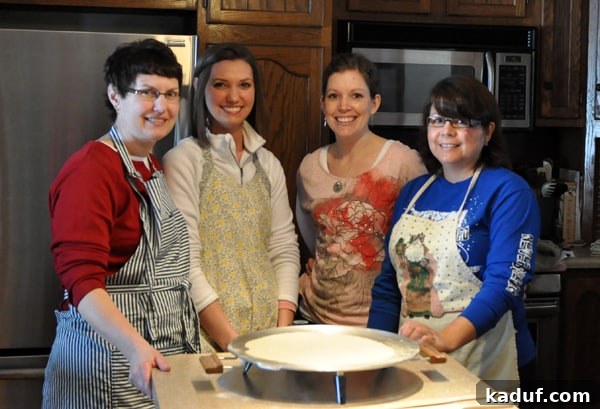
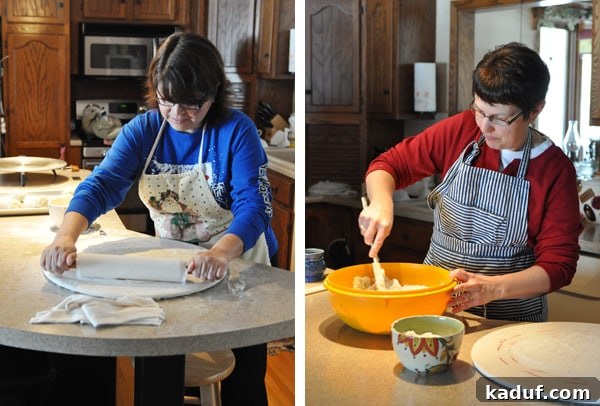
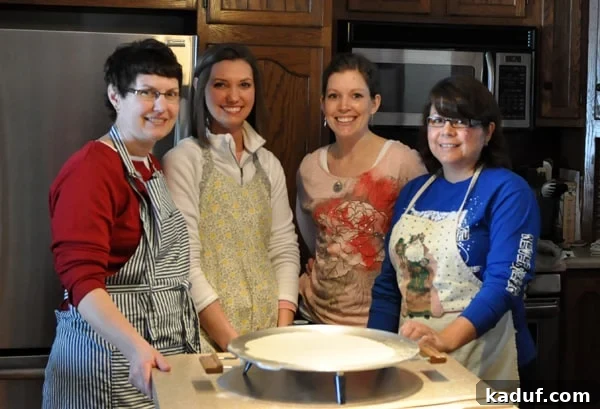
Stepping into Joni’s kitchen, I was immediately enveloped by an atmosphere of warmth, laughter, and a pleasant anticipation. The air hummed with activity, and the aroma of potatoes and flour promised delicious things to come. I quickly realized that making lefse is indeed a “labor of love” in the most profound sense. We “slaved” for hours, a term I use lightly for myself, as my primary role, I must confess, involved capturing the moments through my camera lens while Joni, her daughter Amanda, and their friend Veronica skillfully managed the actual dough. Yet, despite my journalistic approach, I was truly learning. Every observation, every question answered, every shared tip was absorbed. And, of course, for rigorous research purposes, I was also diligently tasting every fresh batch that came off the griddle.
The process itself is an intricate dance, a blend of precision and intuition. It begins with boiling and ricing potatoes – the foundation of the lefse. The trick is to have the potatoes perfectly cooked but not watery, and then to rice them finely, ensuring a smooth, lump-free base. After the riced potatoes cool completely, they are gently combined with butter, cream, and flour, creating a soft, pliable dough. The kneading process is minimal, designed to just bring the ingredients together without overworking the gluten, which could make the lefse tough. The texture of the dough is crucial for the perfect thinness.
The Art of the Roll: Technique and Tradition in Lefse Making
The most iconic and perhaps the most challenging part of lefse making is the rolling. It requires a special rolling pin, often covered with a cloth sleeve to prevent sticking, and a large, floured pastry board. The goal is to roll the small balls of dough into incredibly thin, translucent circles, roughly the size of a dinner plate. This is where skill and patience truly shine. The dough is delicate, prone to tearing if not handled with care, yet it needs to be thin enough to cook quickly and achieve that characteristic melt-in-your-mouth texture that makes lefse so beloved.
It was during this stage that some of my most cherished memories of the day were forged. I loved listening to Joni’s countless stories – tales of family, traditions, and mishaps in previous lefse sessions. These narratives weren’t just anecdotes; they were the very fabric of the tradition, binding us to the past and each other. They underscored the communal aspect of lefse making, where stories flow as freely as the flour. Then there was Veronica, who hails from Mexico and was making lefse for the very first time. To everyone’s astonishment and delight, she rolled the most perfect lefse ever on her very first try – a true natural! The kitchen erupted in cheers and playful disbelief, a testament to her unexpected talent.
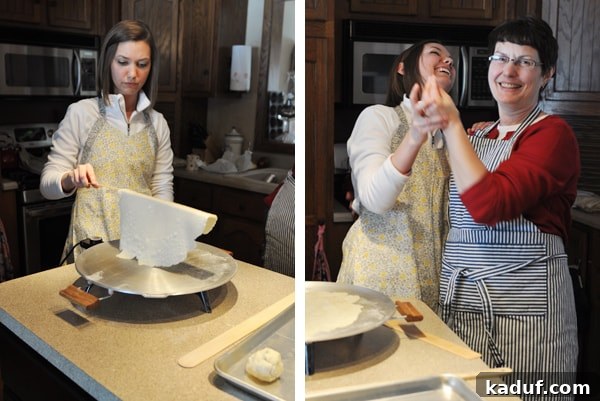
And of course, there was the pure joy of laughter as Joni, in a moment of playful mother-daughter affection, threw a handful of flour in Amanda’s face. It was a testament to the relaxed, joyous atmosphere that permeates these traditional gatherings – a perfect display of love and camaraderie at its finest. These weren’t just steps in a recipe; they were moments of connection, community, and pure, unadulterated fun, proving that the making is as fulfilling as the eating when it comes to lefse.
From Griddle to Table: The Final Touches of Perfect Lefse
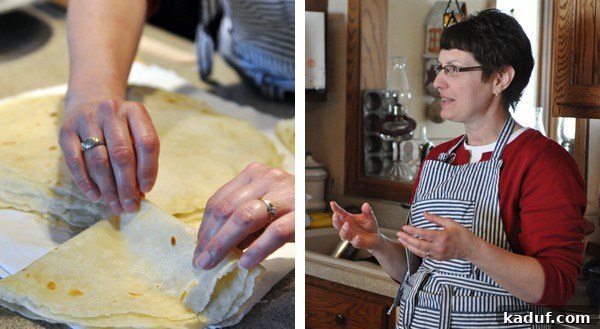
Once rolled, the thin circles of dough are carefully transferred to a special lefse griddle, heated to a specific temperature that ensures quick, even cooking. They cook incredibly fast, developing delicate golden-brown spots that indicate perfection without drying out. Using a long, thin lefse stick, they are deftly flipped and removed, then stacked between layers of cloth to keep them soft and pliable while they cool. The entire process, from potato to plate, is a rhythm of skill, patience, and anticipation, culminating in a stack of warm, inviting lefse that is truly a labor of love come to fruition.
Beyond Butter: Creative Ways to Enjoy Your Lefse
While the classic butter and sugar combination remains a timeless favorite for enjoying lefse, the versatility of this delightful flatbread allows for a myriad of delicious permutations. Its mild flavor profile makes it an excellent canvas for both sweet and savory accompaniments, inviting culinary exploration. Here are just a few ideas to inspire your next lefse experience and impress your taste buds:
- Sweet Delights:
- Cinnamon Sugar: A simple sprinkle of cinnamon sugar over a generous spread of butter for an irresistible comforting treat.
- Fruit Jams & Preserves: Lingonberry jam is a traditional Norwegian pairing, offering a tart complement. However, strawberry, raspberry, or any favorite fruit jam works wonderfully.
- Nutella & Banana: A modern twist that kids and adults alike adore, providing a rich, chocolatey, and fruity combination.
- Whipped Cream & Berries: For a lighter, dessert-like option, especially delightful with fresh seasonal berries like strawberries or blueberries.
- Savory Sensations:
- Cream Cheese & Chives: A fresh and zesty spread, perhaps with a sprinkle of smoked paprika, offers a pleasant savory contrast.
- Smoked Salmon & Dill: Elevate your lefse with a slice of quality smoked salmon, a dollop of cream cheese, and fresh dill for an elegant appetizer.
- Ham & Mustard: Thinly sliced ham with a touch of whole grain mustard makes for a satisfying snack or light lunch, embodying a classic European flavor profile.
- Gravlax: A traditional Scandinavian cured salmon, often served with a delicate mustard-dill sauce, makes for an authentic and refined pairing.
Don’t be afraid to experiment! Lefse’s mild flavor makes it an excellent vehicle for almost any topping you can imagine, transforming it from a simple flatbread into a versatile culinary canvas that can adapt to any meal or craving.
The Enduring Appeal: Why Lefse is More Than Just Food
My day with Joni, Veronica, and Amanda confirmed what I had instinctively felt: lefse is far more than just a potato flatbread. It’s a powerful force for connection, a tangible link to heritage, and a vessel for creating cherished memories. It embodies the concept of “slow food” – requiring time, patience, and communal effort, which in turn fosters stronger bonds and deeper appreciation for both the food and the company. It’s a reminder that some of the greatest pleasures in life come from the simplest traditions.
In a world that often rushes by, the act of making lefse is a deliberate pause, an invitation to slow down, share stories, and simply be present. It’s a reminder of the simple joys in life, the comfort found in tradition, and the warmth of human connection. The laughter, the shared effort, the stories exchanged, and ultimately, the delicious reward, all contribute to an experience that nourishes not just the body, but also the soul. It’s a comforting ritual that brings people closer and keeps cultural legacies alive.
My Lefse Future: An Open Invitation to Share the Tradition
Having experienced the magic firsthand, I have a strong feeling that there will be a lot of lefse in my future – both making it and, of course, enjoying it! This initial adventure has ignited a passion within me to delve deeper into this wonderful tradition, to hone my rolling skills, and to continue learning the stories that accompany each batch. It’s a tradition I now feel a part of, and one I’m eager to share with others, passing on the joy and the craft.
So, consider this your open invitation: come on over, and we’ll make it together! Let’s roll, laugh, share stories, and savor the simple, profound pleasure of freshly made lefse. It’s an experience that truly connects you to the heart of a culture, one delicious, thin flatbread at a time, creating memories that will last a lifetime.