
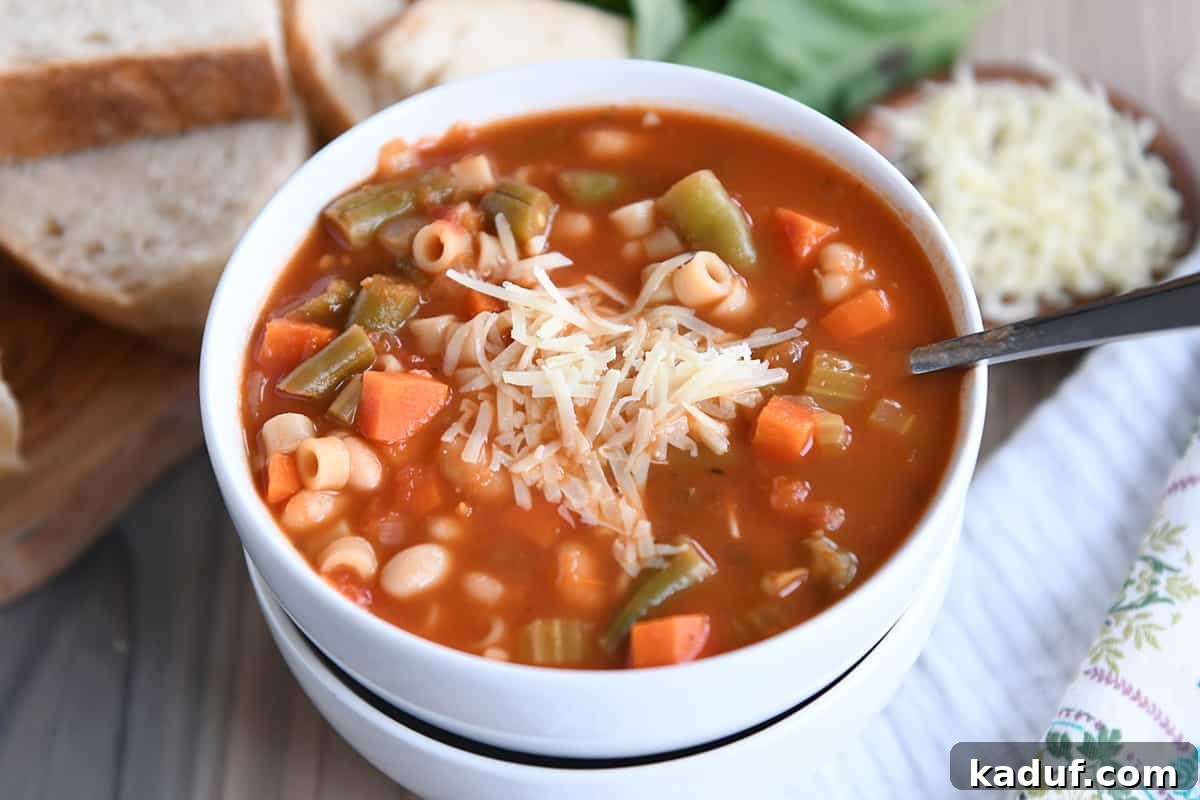
Classic Minestrone Soup: Your Go-To Healthy & Hearty Weeknight Dinner
There’s nothing quite like a steaming bowl of classic minestrone soup to warm the soul and nourish the body. This timeless Italian vegetable soup, brimming with garden-fresh vegetables, wholesome beans, and tender pasta, is the epitome of comfort food that also happens to be incredibly good for you. It’s a culinary hug that’s surprisingly simple to prepare, making it an absolute staple for busy weeknights when you crave something both satisfying and healthy. Every spoonful reminds you why this beloved dish has stood the test of time, prompting you to add it to your regular meal rotation.
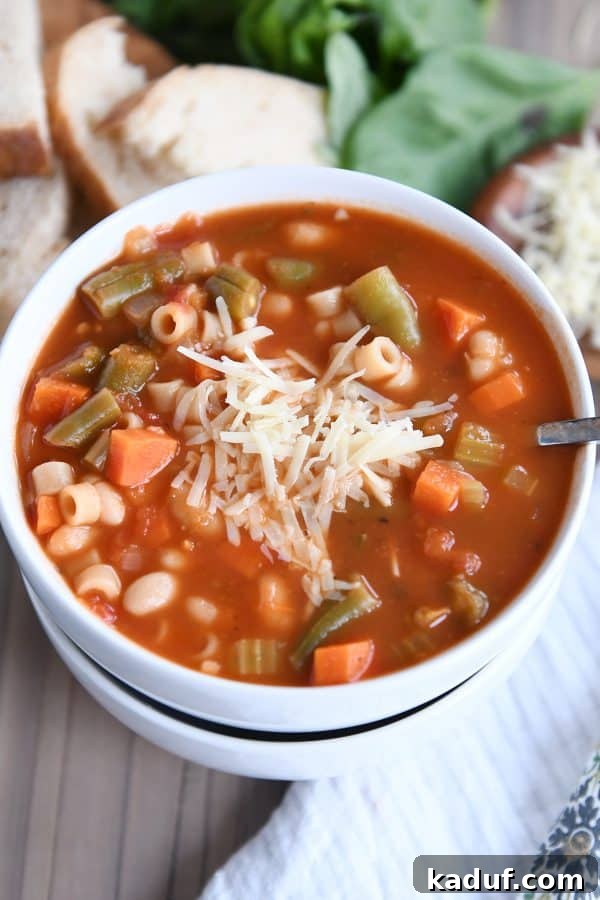
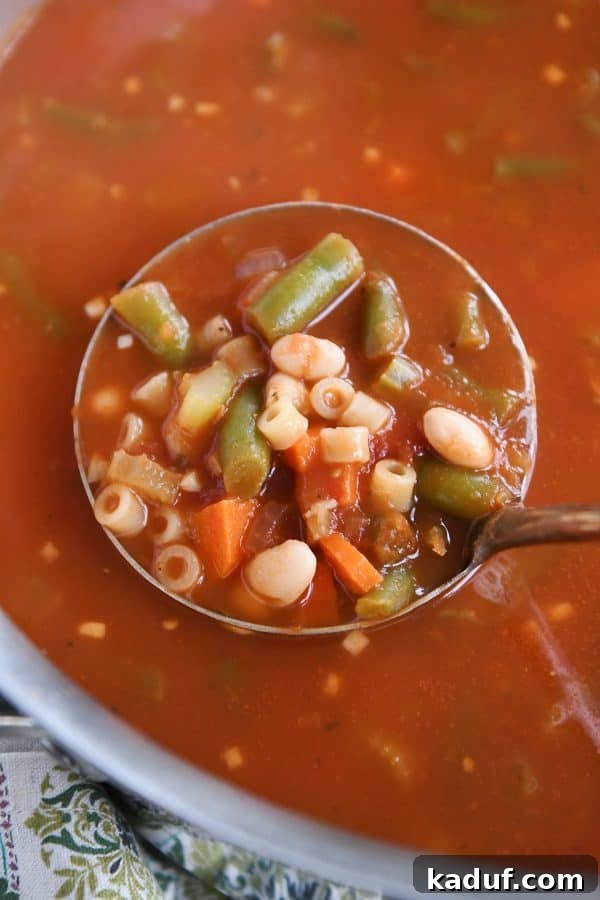
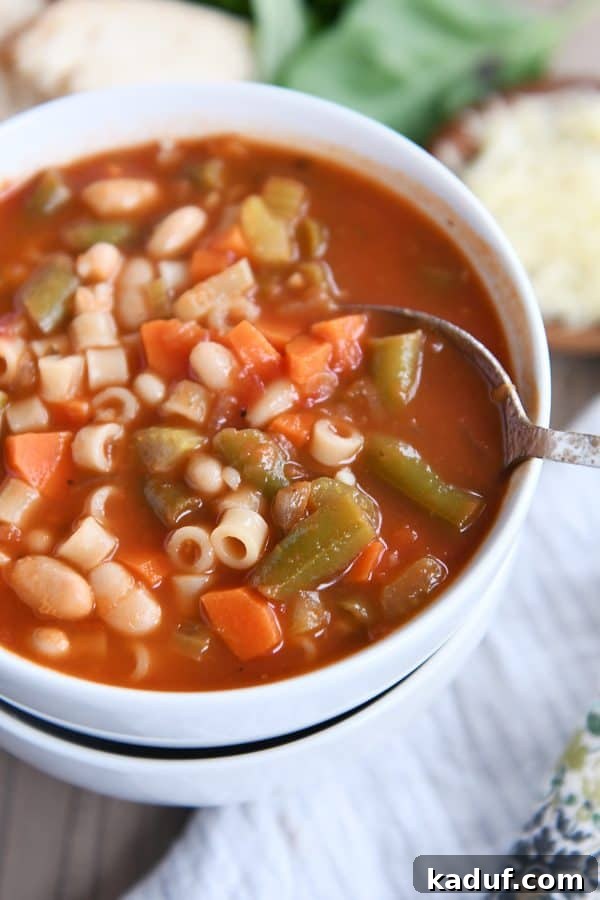
Beyond its simple preparation, what makes minestrone truly remarkable is its incredible versatility and the sheer abundance of fresh flavors it offers. Each spoonful delivers a delightful medley of tender vegetables, protein-rich beans, and perfectly cooked small pasta. To elevate your experience, serve it generously sprinkled with freshly grated Parmesan cheese and accompanied by a thick slice of warm, crusty bread – perfect for soaking up every last drop of the rich, savory broth. This isn’t just a meal; it’s an experience that brings comfort and joy to the dinner table.
Whether you’re new to cooking or a seasoned chef, this tried-and-true classic minestrone soup recipe is designed for simplicity and speed. It comes together quickly, making it an ideal choice for those hectic evenings when you need a delicious, wholesome meal without spending hours in the kitchen. Get ready to join the growing fan club of this incredible, customizable soup!
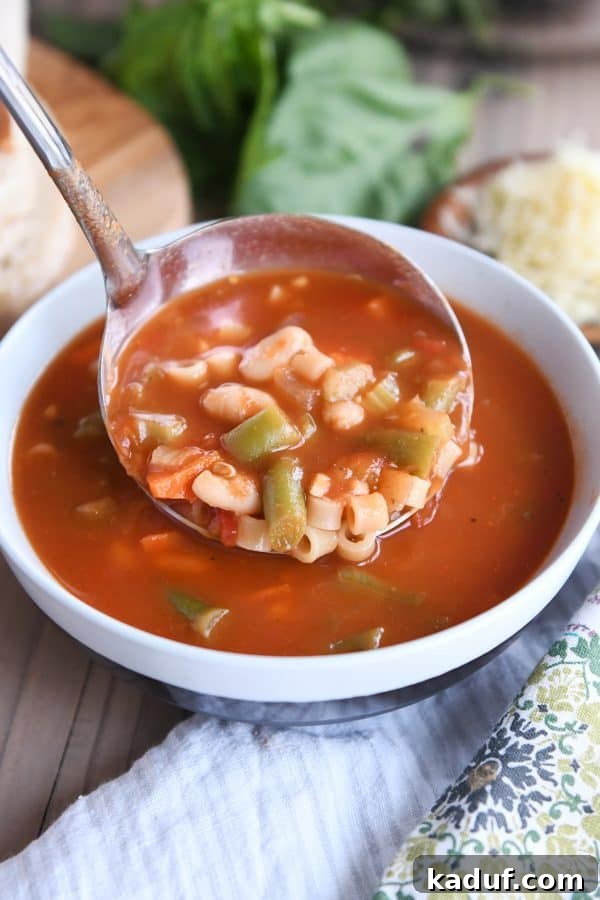
Why This Classic Minestrone Recipe Will Become Your Favorite
Minestrone, at its heart, is a gloriously thick and satisfying Italian vegetable soup, characterized by its inclusion of beans and pasta. It embodies simplicity and robust flavor, making it a beloved choice across generations. While there are countless variations of minestrone, from hearty Autumn Minestrone Soup to comforting Winter Minestrone with Pesto and Garlic Bruschetta, this classic rendition remains a firm favorite for its authentic taste and straightforward approach.
Here’s why this particular minestrone soup recipe stands out and will quickly become a cherished part of your culinary repertoire:
- Unbelievably Quick & Mostly Hands-Off: In today’s fast-paced world, finding a meal that’s both nourishing and doesn’t demand constant attention is a win. With a total cooking time of under 30 minutes for the soup base, this recipe fits perfectly into even the busiest schedules. Most of the time is spent letting the flavors meld, giving you precious moments back in your evening.
- Effortlessly Easy & Fussy-Free: Forget complicated techniques or obscure ingredients. This is essentially a ‘chop, sauté, and simmer’ recipe. A bit of initial vegetable preparation, a quick sauté to build flavor, and then it’s a simple dump-and-cook process. It’s perfect for beginner cooks and a welcome relief for experienced ones.
- Pantry Powerhouse: You likely already have most of the ingredients for this minestrone in your pantry and fridge. Utilizing staple items like canned tomatoes, dried pasta, and common vegetables means fewer trips to the grocery store and more spontaneous delicious meals.
- Packed with Nutrients: Beyond its delicious taste, this minestrone is a powerhouse of nutrition. Loaded with a diverse array of vegetables, fiber-rich beans, and wholesome pasta, it offers a balanced meal that supports your well-being. It’s an excellent way to boost your daily vegetable intake without even trying.
- Infinitely Adaptable: One of the greatest joys of minestrone is its flexibility. This recipe provides a fantastic base, but it’s incredibly forgiving and encourages customization. Whether you’re looking to incorporate seasonal produce, use up leftovers, or cater to specific dietary needs, this soup can be easily adjusted to suit your preferences, making it truly your own.
Essential Ingredients for a Delicious Classic Minestrone Soup
Crafting the perfect minestrone starts with understanding the role each ingredient plays. While the beauty of this soup lies in its adaptability, a few core components ensure that signature comforting flavor and texture. Here’s a closer look at the key ingredients for our classic minestrone recipe:
- Crushed Tomatoes: The foundation of minestrone’s rich, tomatoey broth. Crushed tomatoes break down beautifully to create a smooth, deeply flavored base. If your family enjoys a chunkier texture, feel free to substitute half of the crushed tomatoes with diced tomatoes. Look for high-quality canned tomatoes, as they form the backbone of your soup’s flavor.
- Broth: You have flexibility here! Both vegetable broth and chicken broth work wonderfully. For a truly vegetarian or vegan minestrone, opt for vegetable broth. Using a low-sodium variety allows you to control the seasoning precisely, preventing the soup from becoming overly salty. Homemade broth will always elevate the flavor, but store-bought is perfectly acceptable for convenience.
- Beans: Adding both protein and fiber, beans are crucial for minestrone’s hearty character. White beans, such as Great Northern or Cannellini beans, are traditionally preferred for their creamy texture and mild flavor. This recipe calls for canned beans, which should be thoroughly rinsed and drained before adding to remove excess sodium and improve their texture.
- Vegetables: Our classic recipe highlights carrots, celery, and green beans, forming the traditional “soffritto” base (though usually adding onion too, which is in the ingredient list but not mentioned here specifically). These vegetables provide essential sweetness, aroma, and texture. The great news is you can use either fresh or frozen vegetables, making this soup adaptable to what you have on hand and seasonal availability. Don’t shy away from adding other favorites!
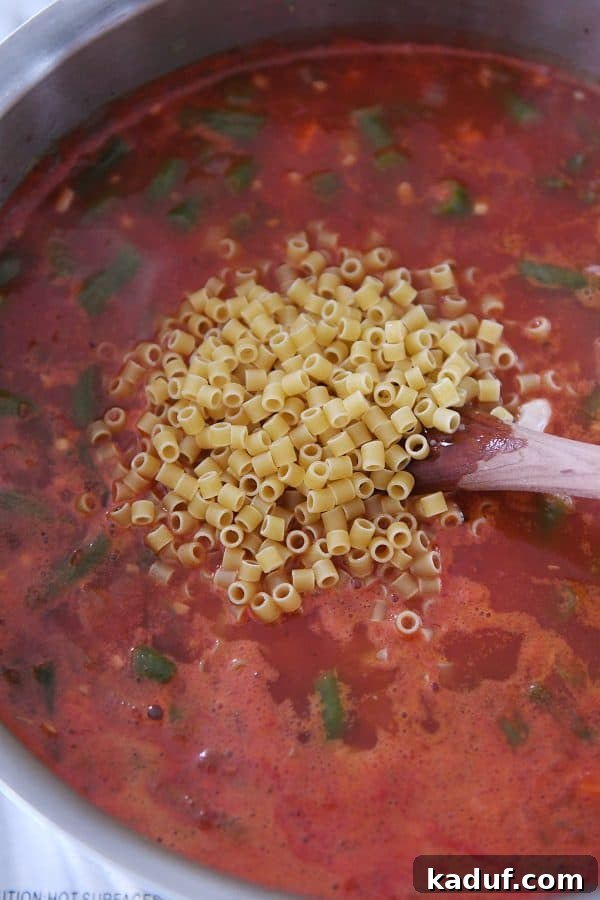
- Pasta: Small-shaped pasta is the ideal choice for minestrone, as it cooks quickly and is easy to eat with a spoon without overpowering the other ingredients. Excellent options include small shells, ditalini (the tiny tube-shaped pasta), or elbow macaroni. Make sure to add the pasta towards the end of the cooking process to prevent it from becoming mushy.
By focusing on quality ingredients and understanding their purpose, you’re well on your way to creating a minestrone that rivals any Italian nonna’s kitchen!
Customizing Your Classic Minestrone Soup: Endless Possibilities
One of the most appealing aspects of classic minestrone soup is its incredible flexibility. This isn’t just a recipe; it’s a template for culinary creativity, allowing you to adapt it to your preferences, dietary needs, and what you have readily available. Think of it as a canvas where you can paint with flavors and textures.
- Vegetable Power-Up: The base recipe is fantastic, but feel free to load it up with even more vegetables! Consider seasonal additions like fresh zucchini, bell peppers, spinach, or kale towards the end of cooking. Root vegetables like diced potatoes or butternut squash can be added with the carrots and celery for extra heartiness. Even frozen mixed vegetables can be a quick and convenient addition. Remember, both fresh and frozen vegetables integrate beautifully into this versatile soup.
- Bean Bonanza: While white beans (Great Northern, Cannellini) are traditional, don’t hesitate to experiment with other varieties. Kidney beans (light or dark), chickpeas, or even black beans can offer a different flavor and texture profile. If you’re not a fan of beans, or simply don’t have them, they can be easily omitted without compromising the overall deliciousness of the soup.
- Pasta Perfection: The world of small pasta shapes is your oyster! Beyond ditalini, small shells, and elbow macaroni, consider orzo, stelline (tiny stars), or even broken spaghetti. The key is to use small shapes that are easy to scoop and don’t overwhelm the soup. For gluten-free options, use gluten-free pasta, adding it towards the end of cooking as it often cooks faster and can get mushy easily.
- Boost Your Protein: While hearty on its own, you can easily add lean protein. Cooked shredded chicken or turkey can be stirred in at the end. For a vegetarian protein boost, consider adding crumbled tofu or tempeh, or simply lean into the beans.
- Herb & Spice It Up: Don’t limit yourself to basil and oregano. A bay leaf added during simmering, a pinch of red pepper flakes for a subtle kick, or a sprig of fresh rosemary can all enhance the flavor. A swirl of pesto stirred in at the end, as suggested in some variations, is also a fantastic way to add vibrant freshness.
- Make it Vegan: This recipe is easily made vegan by ensuring you use vegetable broth instead of chicken broth and omitting the Parmesan cheese (or using a vegan Parmesan substitute). The beans and vegetables provide ample substance and flavor.
Indeed, the true essence of minestrone lies in its lack of rigid rules. Ask ten different home cooks for their minestrone recipe, and you might get ten delightfully distinct versions. Each one a reflection of their pantry, their preferences, and the season. That’s the undeniable beauty of minestrone: it’s uniquely yours, every time. Embrace the flexibility and make this soup a true reflection of your culinary creativity.
Tips and Tricks for the Best Homemade Minestrone
Even though minestrone is a straightforward soup, a few expert tips can elevate your homemade version from good to absolutely outstanding:
- Don’t Rush the Sauté: The initial step of cooking the onion, celery, and carrots (often called a “soffritto” or aromatic base) is crucial. Take your time, allowing these vegetables to soften and release their natural sugars. This builds a foundational layer of flavor that will permeate the entire soup.
- Layer Your Flavors: Add garlic and dried herbs after the initial vegetables have softened slightly. This prevents the garlic from burning and allows the dried herbs to bloom in the warm oil, intensifying their aroma and taste before the liquid is added.
- Control Pasta Doneness: The pasta is best cooked directly in the soup, but keep a close eye on it. Cook it just until al dente (firm to the bite) to prevent it from becoming mushy, especially if you plan on having leftovers. For ultimate control, or if making a large batch to freeze, you can cook the pasta separately and add it to individual bowls just before serving. This prevents it from absorbing too much liquid and getting soggy.
- Season as You Go (and at the End): Seasoning throughout the cooking process helps build flavor. Taste the soup before adding salt and pepper at the very end, adjusting as needed. Remember, low-sodium broth gives you more control.
- Let it Simmer: While the recipe is quick, allowing the soup to gently simmer for the recommended time (or even a little longer if you have it) helps the flavors marry and deepen.
- Garnish Generously: Don’t underestimate the power of a good garnish! Freshly grated Parmesan cheese, a drizzle of high-quality olive oil, or a sprinkle of fresh parsley or basil can add a final flourish of flavor and visual appeal.
By keeping these simple tips in mind, you’ll consistently create a minestrone soup that impresses with its depth of flavor and comforting appeal.
Frequently Asked Questions About Classic Minestrone Soup
Can this minestrone soup recipe be easily scaled (doubled or halved)?
Absolutely! This recipe is very flexible. To double the batch, simply ensure you use a pot large enough to accommodate the increased volume of ingredients. For halving the recipe, use a 15-ounce can of crushed tomatoes. For the beans, you can either refrigerate the unused half-can for another recipe or add the full can if you prefer a thicker, more bean-rich soup.
How well does this minestrone soup freeze?
Minestrone soup freezes reasonably well, with a couple of considerations. The pasta tends to soften further and can become a bit mushier upon thawing and reheating. Additionally, the soup will become notably thicker as the pasta absorbs more liquid during cooling (both in the fridge and freezer). To mitigate this, you can undercook the pasta by a minute or two if you know you’ll be freezing the entire batch. When reheating, a splash of extra broth or water can help restore the desired consistency.
Can I substitute different vegetables, pasta, or beans in this soup?
Definitely! As highlighted in the “Customizing Your Classic Minestrone Soup” section above, nearly every ingredient in this soup is customizable. Feel free to swap in your favorite seasonal vegetables, try different types of small pasta, or experiment with various kinds of beans to truly make it your own. Don’t be afraid to get creative!
What can I do to thicken my minestrone soup?
If your minestrone isn’t as thick as you’d like, there are a few easy fixes. You can mash some of the beans against the side of the pot with a spoon to release their starches, which will naturally thicken the broth. Alternatively, remove about a cup of the soup, blend it until smooth (carefully, it’s hot!), and stir it back into the pot. A small amount of cornstarch or flour slurry (mixed with cold water) can also be whisked in and simmered for a few minutes, but start with a very small amount to avoid a pasty texture.
Can I make this minestrone vegetarian or vegan?
Yes, absolutely! This recipe is very easy to adapt. Simply use vegetable broth instead of chicken broth to make it vegetarian. To make it fully vegan, ensure you’re using vegetable broth and either omit the Parmesan cheese for serving or opt for a high-quality vegan Parmesan substitute. The abundance of vegetables and beans ensures it remains hearty and flavorful without any animal products.
How long does minestrone soup last in the refrigerator?
Properly stored in an airtight container, minestrone soup will last for 3-4 days in the refrigerator. The flavors often deepen and improve overnight, making it a fantastic make-ahead meal for meal prep throughout the week.
Classic Minestrone Soup

Yield: 8 servings
Prep Time: 30 mins
Cook Time: 25 mins
Total Time: 55 mins
Rating: 4.72 stars (66 ratings)
Pin Recipe
Ingredients
- 1 tablespoon olive oil
- ½ cup finely chopped onion
- ¾ cup chopped celery (about 2-3 ribs celery)
- 1 cup chopped carrots (about 2-3 medium carrots)
- 1 ½ cups frozen or fresh chopped green beans
- 3 cloves garlic, finely minced or 1 teaspoon garlic powder
- 1 teaspoon dried basil
- 1 teaspoon salt
- ½ teaspoon dried oregano
- ¼ teaspoon black pepper
- 1 can (28-ounces) crushed tomatoes
- 6 cups chicken or vegetable broth (low-sodium recommended)
- 1 can (15-ounces) white beans, rinsed and drained (Great Northern or Cannellini)
- 1 cup small pasta, like shells, ditalini or elbow macaroni
- Parmesan cheese, for serving
Instructions
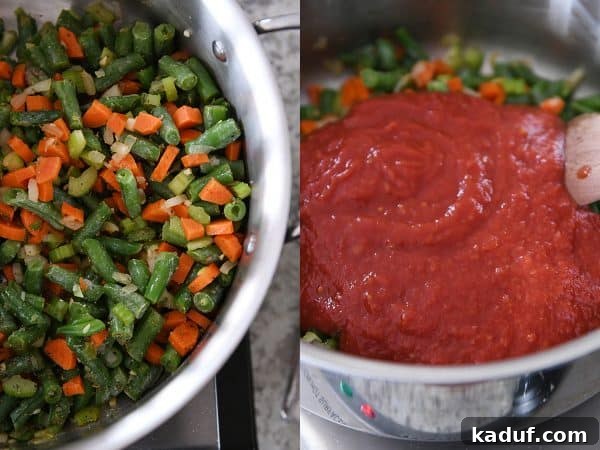
- In a large 6-quart pot, heat the olive oil over medium heat. Add the onion, celery, and carrots. Cook, stirring occasionally, until the onions begin to soften, about 4-5 minutes.
- Add the green beans, minced garlic (or garlic powder), dried basil, salt, dried oregano, and black pepper. Continue to cook for another minute or so, stirring frequently to ensure the spices become fragrant and the garlic doesn’t burn.
- Stir in the crushed tomatoes and the chicken or vegetable broth. Bring the soup to a gentle simmer and cook for 8-10 minutes. This allows the vegetables to soften further and the flavors to meld beautifully.
- Add the rinsed and drained white beans and the small pasta of your choice. Continue to cook for another 10-11 minutes, or until the pasta is al dente and the vegetables are tender to your liking.
- Taste the soup and season to your preference with additional salt and pepper if needed. Serve hot, garnished with freshly grated Parmesan cheese, if desired.
Video Placeholder: Classic Minestrone Soup Demonstration
Notes
Tomatoes: For a smoother soup, stick with all crushed tomatoes. If you prefer a bit of texture, you can use half crushed tomatoes and half diced tomatoes. My family prefers a non-chunky minestrone, so I typically opt for only crushed tomatoes.
Beans: Great Northern or Cannellini (white kidney) beans are excellent choices for their creamy texture. Light or dark kidney beans can also be successfully substituted.
Author: Mel
Course: Soup
Cuisine: American
Method: Stovetop
Nutrition Information
Serving: 1 serving
Calories: 197 kcal
Carbohydrates: 35g
Protein: 10g
Fat: 3g
Saturated Fat: 1g
Sodium: 1091mg
Fiber: 7g
Sugar: 7g
Recommended Products
This timeless recipe is a testament to the power of simple, wholesome ingredients coming together to create something truly special. We hope this classic minestrone soup brings as much joy and comfort to your table as it does to ours.
Recipe Source: Adapted from Mel’s Kitchen Cafe