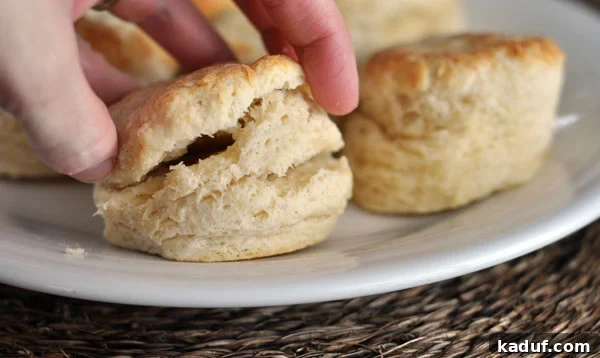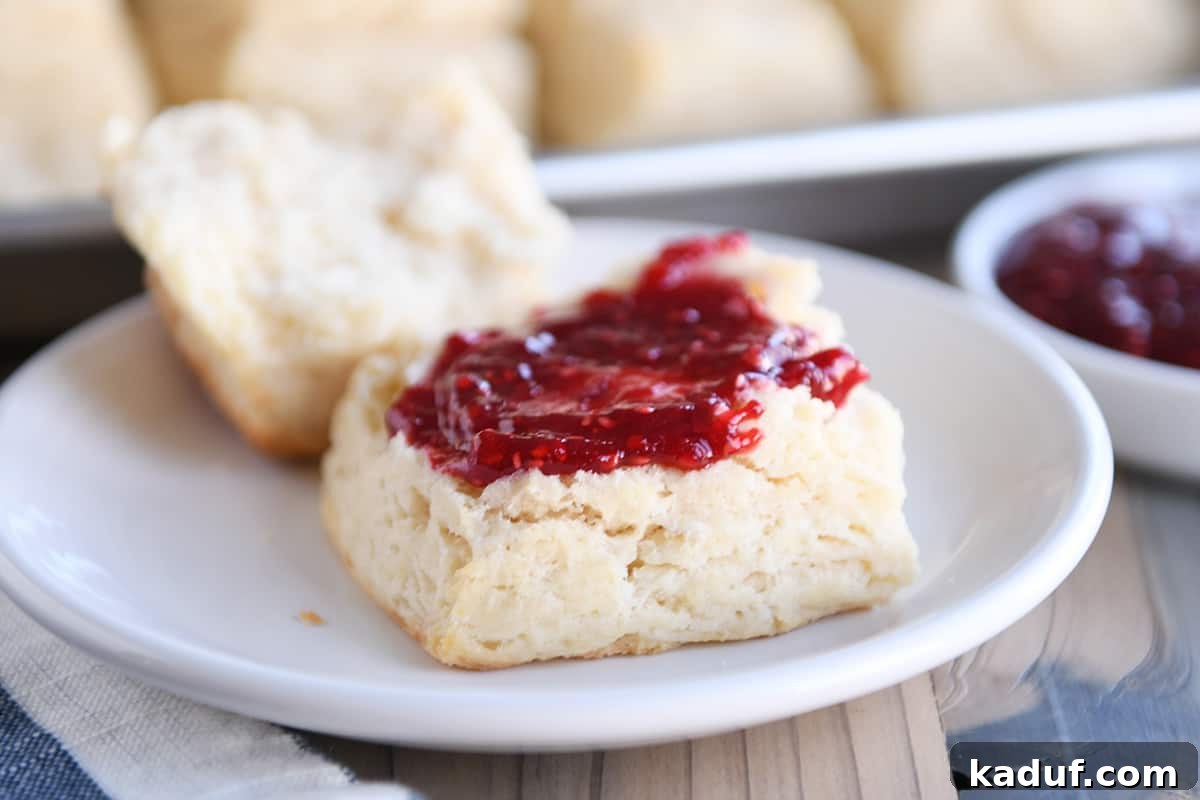
Welcome to the ultimate guide for crafting the most incredible, impossibly flaky buttermilk biscuits right in your own kitchen! For years, I believed that achieving light, tender, and sky-high biscuits at home was a mythical feat, reserved only for seasoned Southern bakers or the contents of a can. But I’m here to tell you that this simply isn’t true. Prepare to unlock the secrets to biscuit perfection and transform your breakfast, brunch, or dinner table forever.
These aren’t just good biscuits; they are absolute biscuit nirvana. With their distinct layers, golden-brown crust, and melt-in-your-mouth tenderness, they will redefine what you thought homemade biscuits could be. Forget your past biscuit-making woes – the days of over-mixed, tough, or flat creations are officially behind you. This recipe is a game-changer, designed to empower every home cook to create bakery-quality biscuits with surprising ease.
My own journey to biscuit mastery was fraught with culinary missteps. I’d typically gravitate towards reliable favorites like easy buttermilk drop biscuits, which are fantastic in their own right. They’re forgiving and delicious, perfect for when time is short or precision isn’t a priority. However, a deep-seated desire to conquer the classic, tall, and supremely flaky buttermilk biscuit lingered. I wanted that iconic “mile-high” texture, and I’m thrilled to report that I’ve finally found the definitive recipe. This isn’t just a great recipe; it truly is the best flaky buttermilk biscuit recipe EVER, period.
These biscuits have become a cherished bread side dish in our home. Unlike yeast-leavened breadsticks or dinner rolls that demand foresight for rising and kneading, these biscuits come together quickly, making them ideal for last-minute additions to any meal. Their simple yet profound flavor complements everything from savory stews to sweet fruit spreads.
If you had told me a few years ago that I would be whipping up homemade, non-canned biscuits several times a month – and even receiving requests to bring them to family gatherings – I would have scoffed. Perhaps even rolled my eyes with a dramatic flair (a skill I’ve honed over the years). Yet, here we are. These biscuits have earned their legendary status through sheer deliciousness and surprising simplicity.
Beyond Breakfast: The Versatility of Homemade Biscuits
Since perfecting this base recipe, I’ve discovered an exciting world of culinary applications. These homemade biscuits aren’t just for breakfast or a side dish; they’re incredibly versatile. I’ve used them as a delicious topping for hearty chicken pot pie, creating a comforting, golden crust. But perhaps the most life-changing creation has been using the dough to make luscious biscuit cinnamon rolls. Seriously, “holy moly” doesn’t even begin to cover how good those are!
While I’ll probably continue my eternal quest to reinvent chocolate chip cookies until the day I die, I foresee no further experimentation needed for classic, super flaky buttermilk biscuits. This is it. The one. The only biscuit recipe you’ll ever need to achieve that coveted texture and flavor. It’s truly a foundational recipe that will elevate your baking repertoire.
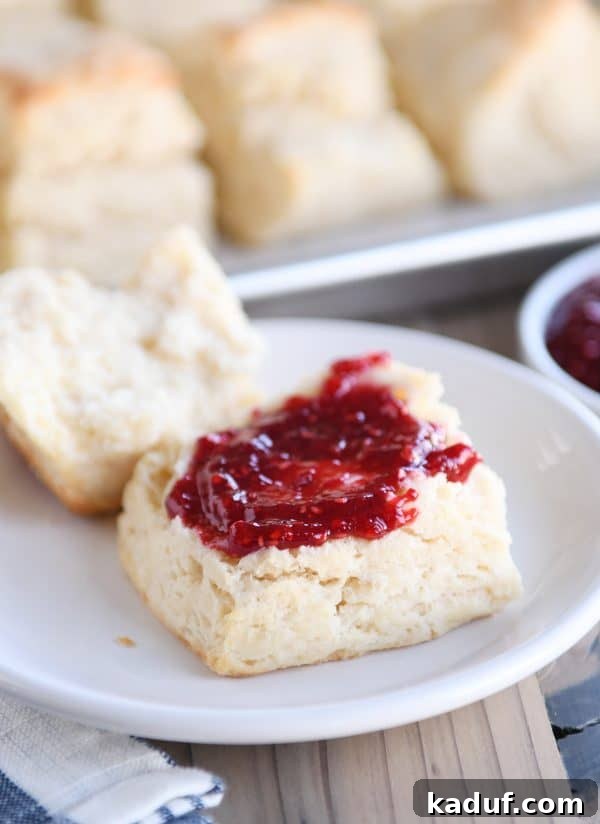
The Undeniable Secrets to Perfect Flaky Buttermilk Biscuits
The journey to finally mastering homemade biscuits truly began when I embraced one particular tool: the food processor. Successful, flaky biscuits fundamentally rely on one crucial principle: *do not overwork the dough*. This is similar to achieving a tender pie crust. The goal is to keep the butter pieces extremely cold as they are incorporated into the dry ingredients. This cold butter is the magic behind those incredible layers.
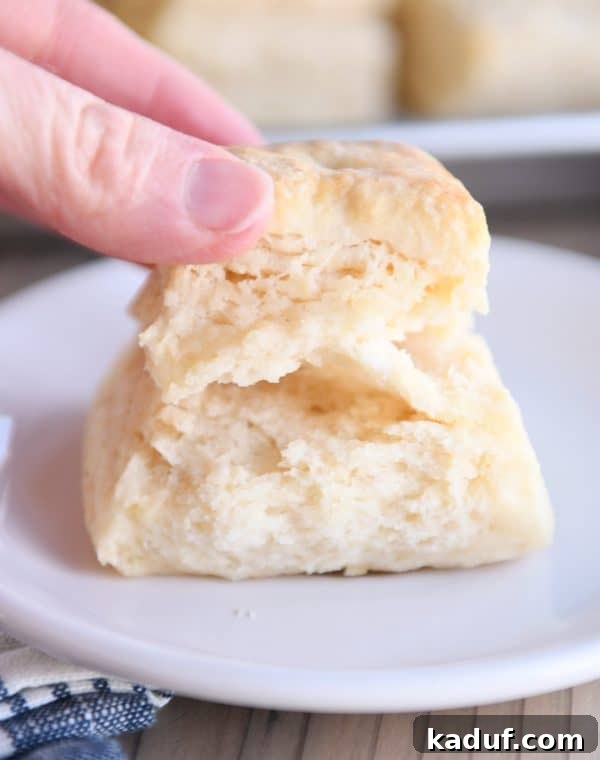
As the biscuits bake, these tiny, cold pockets of butter begin to melt and sizzle, creating steam within the dough. This steam is what forces the layers apart, resulting in that coveted ultra-flaky texture. And trust me, when it comes to biscuits, you absolutely want “ultra-flaky.”
However, if you don’t own a food processor, don’t despair! You can still achieve spectacular results. The key is to grate your very cold (or even frozen) butter directly into the dry ingredients using a box grater. Quickly toss the grated butter with the flour mixture to coat, ensuring the butter remains cold. Then, gently stir in the buttermilk, mixing just until the dough barely comes together. The less you handle the dough and the colder the butter stays, the flakier your biscuits will be. It’s a technique that requires a light touch, but it’s entirely achievable.
Another crucial tip for achieving flakiness involves the folding technique. After gently patting your dough, fold it in half or thirds multiple times – about 4 to 5 times in total. Each fold creates new layers, which, combined with the cold butter, contribute significantly to the biscuit’s signature rise and flaky texture. Always remember to handle the dough minimally and gently; overworking develops gluten, leading to tough biscuits, which is the exact opposite of what we want.
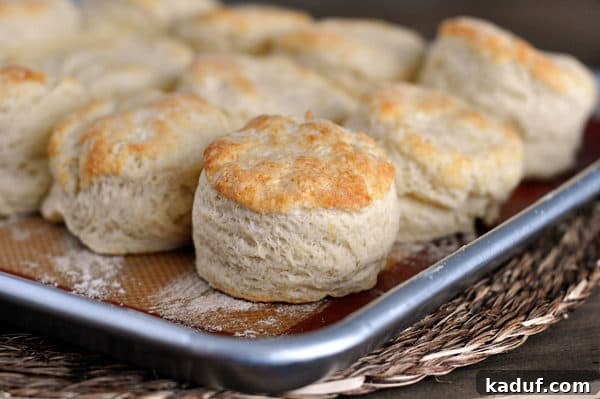
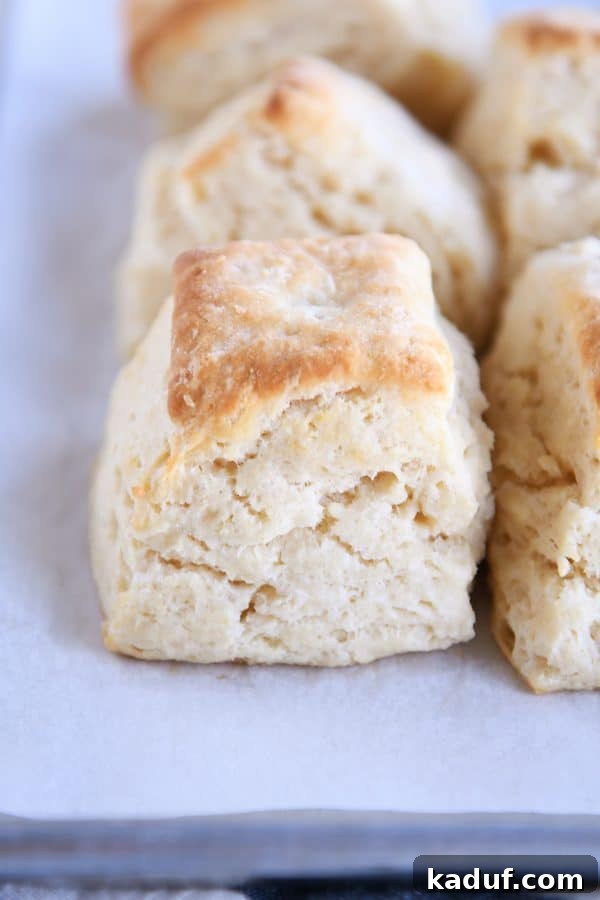
Over the years of making this recipe again and again, I’ve evolved my approach to cutting biscuits. While traditional round shapes are charming, I’ve found a more efficient and equally delicious method. Instead of endlessly rerolling scraps (which often results in tougher, less flaky biscuits due to overworking), I now pat the dough into a thick rectangle. Then, I use a bench scraper or a sharp knife to cut uniform squares. You can see examples of both shapes in the accompanying photos.
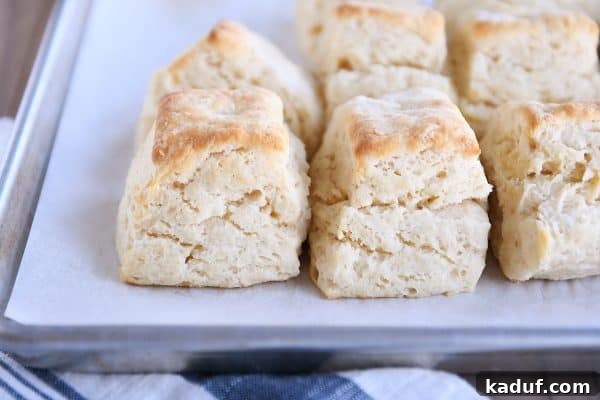
Guess what? Square biscuits taste just as incredible as round biscuits, and they offer a significant advantage: no rerolling of scraps! This means less handling of the dough, which directly translates to more tender and consistently flaky biscuits throughout the entire batch. The rerolled and recut biscuits are never quite as light and tender as the initial cuts, so embracing the square shape is a brilliant time-saver and quality enhancer.
I genuinely hope you take the leap and try your hand at making these homemade buttermilk biscuits. Whether you’re a complete biscuit novice or someone who has been honing their biscuit-making craft for years, I believe this recipe will quickly become your trusted go-to, just as it has become for me. Get ready to impress yourself and everyone you share them with!
One Year Ago: Crab and Goat Cheese Ravioli
Two Years Ago: Smoked Mozzarella and Penne Spinach Salad
Three Years Ago: Bittersweet Chocolate Pudding Pie
The Best Flaky Buttermilk Biscuits
12 biscuits
15 mins
10 mins
25 mins
Pin
Rate
Save
Ingredients
- 3 cups (426 g) unbleached all-purpose flour, plus more for dusting
- ½ teaspoon baking soda
- 1 ½ tablespoons baking powder
- 1 teaspoon salt
- 9 tablespoons (128 g) very cold butter cut into pieces
- 1 ½ cups buttermilk, more or less
Instructions
- Preheat the oven to 450 degrees F. Combine the dry ingredients in a bowl, or in the bowl of a food processor. Cut the butter into the flour mixture until the mixture is like coarse meal and the butter is in small, pellet-sized pieces (slightly smaller than a pea). This will take a few short pulses in the food processor.
- Pour in the buttermilk and mix/pulse only until just combined. The dough should start to come together but you don’t want to overmix the dough. If there are lots of dry patches throughout the dough, add a bit more buttermilk, just a tablespoon or two at a time until the dough comes together.
- Scrape the dough out of the food processor or bowl onto a lightly floured counter. Gently pat (do not roll with a rolling pin!) the dough to about 1/2-inch thick. Gently fold the dough in half or in thirds, repeating for a total of 4-5 times and pressing it gently to 1-inch thick after the last fold. These folds, combined with the cold butter, are what help to create flaky layers in the biscuits.
- Use a round biscuit or cookie cutter to cut into circles. Do not turn the cutter while pressing into the dough, just press firmly enough to cut all the way through the dough.
- Line a large, rimmed cookie sheet with a silpat liner or parchment paper. Place the biscuits on the pan with the sides barely touching each other. This helps the biscuits rise up instead of out. If you like crustier sides to your biscuits, space them further apart. They won’t rise as high but they’ll have golden edges.
- Bake for about 10-12 minutes until the biscuits are lightly golden on top and bottom, taking care to not overbake. Serve immediately.
Notes
Food Processor: I struggled making biscuits for years. They were never very tender. Until I got a food processor and I firmly believe that delicious biscuits are more about how you work (the key being not to overwork) the dough rather than the actual ingredients. Using a food processor keeps the butter colder and the dough comes together more quickly.
Pastry Blender: If you don’t have a food processor, you can use a pastry blender or two forks or knives to combine ingredients, just take care not to overwork the dough and let the butter get too warm.
Mel
Bread
American
Bake
, Calories: 208kcal
, Carbohydrates: 26g
, Protein: 4g
, Fat: 10g
, Saturated Fat: 6g
, Cholesterol: 26mg
, Sodium: 505mg
, Fiber: 1g
, Sugar: 2g
Recommended Products
Recipe Source: adapted slightly from this recipe at southern.food.com
Recipe originally posted April 2013; updated May 2019 with new pictures, commentary, recipe notes, tricks and tips