

Final Countdown to Race Day: Tapering, Training, and Overcoming Pre-Race Nerves
With merely five days separating me from the starting line of what promises to be an epic race, the culmination of months of dedicated training now feels incredibly real. It’s truly surreal to think that in just one week, I’ll be reflecting on the actual race experience, assuming, of course, I survive the challenge! The anticipation is palpable, and I’m navigating a complex mix of excitement and profound nervousness. This journey has been transformative, and the final stretch is always the most emotionally charged, demanding both physical and mental resilience. As the big day approaches, every detail, from the final training runs to race-day nutrition, takes on heightened significance.
The Crucial Tapering Phase: Recharging for Peak Performance
Last week’s training sessions were a testament to consistency and the benefits of a well-executed tapering strategy. All scheduled runs were completed smoothly and without incident, including a solid 4.25-mile run on Saturday. While originally aiming for 5 or 6 miles, the slightly adjusted distance felt appropriate, especially as I was amidst a delightful family reunion on the stunning Oregon coast. The scenery offered breathtaking views, even if the misty, humid air presented a unique challenge during my two runs out there. Despite the environmental factors, logging those miles was a crucial step in maintaining rhythm without overexerting my body at this critical stage.

I won’t sugarcoat it: the very notion of tapering injected a much-needed surge of renewed energy into my spirit. That grueling 10-mile run from a couple of weeks prior had left me feeling quite depleted, both physically and mentally. Tapering, the strategic reduction in training volume and intensity leading up to a major race, is designed precisely for this – to allow the body to recover, repair muscle tissue, and replenish glycogen stores, ensuring you arrive at the starting line feeling fresh and strong. During this phase, I intentionally ran at a slower, more comfortable pace. I even opted to ditch my GPS watch and iPhone running app, choosing instead to disconnect from metrics and simply focus on the sheer experience of running. This shift allowed me to truly try and enjoy (though “endure” might sometimes feel more accurate!) the moments, reconnecting with the fundamental joy of movement rather than being beholden to splits and distances. This mental reset is as vital as the physical recovery, preparing me not just for the physical demands but also for the mental fortitude required on race day. Embracing the slower pace and mindful running during tapering is essential for both body and mind to truly benefit from the reduced workload.

Unintentional Yet Effective Cross-Training: A Holistic Approach to Fitness
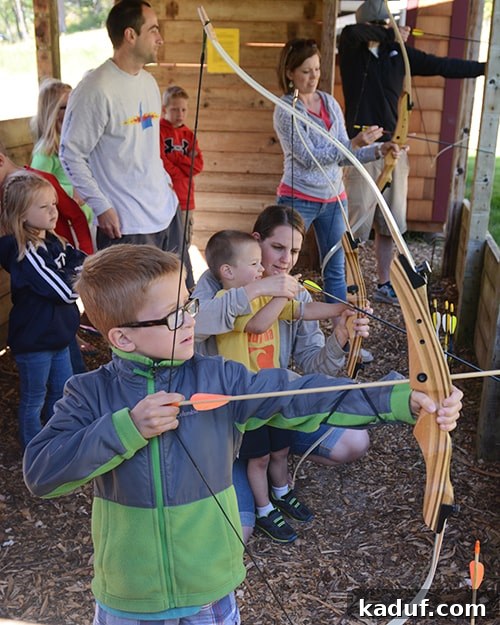
Beyond the structured runs, my time at the family reunion provided an abundance of unintentional yet highly effective cross-training opportunities. These diverse activities contribute significantly to overall fitness, working different muscle groups and offering a mental break from the repetitive motion of running. I engaged in some archery, which, surprisingly, is fantastic for core strength, upper body stability, and mental focus – all transferable skills for maintaining good running form. Archery requires deliberate movements and steady hands, engaging muscles that often complement a runner’s primary muscle groups, contributing to a more robust kinetic chain.
There was also a considerable amount of walking around the campground, exploring the natural surroundings, which served as excellent active recovery, keeping my legs loose without high impact. Active recovery, such as leisurely walks, helps promote blood flow, aiding in muscle repair and reducing stiffness, all while allowing the body to stay subtly engaged. Chasing after enthusiastic kids provided spontaneous bursts of cardio and agility training, proving that fitness can be found in the most joyful, unexpected moments. These impromptu activities mimic interval training, improving cardiovascular response and quickness without the rigidity of a formal workout. And then there was the canoeing on the lake – holy arm workout, indeed! This activity vigorously engaged my upper back, shoulders, and arms, muscles that often get overlooked in a runner’s typical routine, contributing to a more balanced and resilient physique. The sustained effort of paddling builds endurance in the upper body, which is crucial for maintaining good posture and form late in a race. These varied movements helped prevent muscular imbalances and offered a holistic approach to my pre-race preparation, ensuring a well-rounded body ready for the challenge ahead.
The Final Pre-Race Week: Simplicity, Rest, and Practicalities
This week’s plan is deliberately simple and focused on final preparations and maximal rest. I successfully completed a 2-mile run on Monday, and a 3-mile run is scheduled for Wednesday. These short, easy efforts are designed not for fitness gains, but to keep the legs feeling responsive and prevent the dreaded “taper crazies” – that restless energy some runners experience when reducing mileage. The goal is to maintain a sense of routine and keep the muscles limber without adding any fatigue. Over-training at this point can negate weeks of hard work, so adherence to a minimalist running schedule is paramount. The other days will primarily involve light bike rides and walking, ensuring active recovery without any strenuous impact. Crucially, the focus is now on hydration, quality sleep, and meticulous attention to nutrition. Adequate hydration ensures optimal bodily functions, while sufficient sleep is when the most significant physiological repairs and adaptations occur. Beyond the physical aspects, this week is also about handling the practicalities of everyday life, including the monumental task of emptying every crevice of our lives of sand from the coast trip and tackling what feels like 143 loads of laundry. Managing these routine tasks helps maintain a sense of normalcy and can actually aid in mental relaxation, ensuring that race day preparations don’t consume every waking thought. Keeping a calm and organized environment contributes significantly to a relaxed mindset, which is just as important as physical readiness.
Navigating Race Day Logistics and Nutrition: Addressing Pre-Race Jitters
I’m incredibly grateful for the wealth of advice many of you generously shared in last week’s comments. Your collective wisdom has been invaluable in preparing for this momentous event. Let’s delve into some of those crucial tips and my remaining concerns:
- Clip Toenails Before the Race: This seemingly minor detail is incredibly important. Overgrown toenails can lead to painful bruising, blisters, or even loss of nails during a long race due to repetitive impact and friction within the shoe. A simple, careful trim a few days before the race can prevent significant discomfort and potential setbacks on race day, ensuring your feet are as comfortable as possible.
- Consider Ibuprofen at the Starting Line: While it’s always best to consult with a medical professional regarding medication, many experienced runners find that a dose of an anti-inflammatory like ibuprofen at the start can help manage any minor aches or preemptively address inflammation that might arise during the race. However, be mindful of potential stomach upset or kidney strain with certain individuals, especially during prolonged exertion, and ensure you have practiced this during training if you choose to use it.
- Bring Something Warm for the Wait: Race mornings can be surprisingly chilly, even if the race itself is set for a warm day. Waiting for an hour or more at the start line can lead to muscles cooling down, increasing the risk of injury and discomfort. A throwaway sweatshirt, old blanket, or even a garbage bag can provide much-needed warmth and can often be donated at designated bins along the course or simply discarded. Don’t underestimate the mental comfort of staying warm while you wait.
- Take Full Advantage of Port-a-Potties: This is a non-negotiable! The pre-race jitters often manifest in an increased need to use the restroom. Lining up early and taking multiple opportunities to use the facilities can alleviate significant stress and prevent urgent stops during the race itself. Trust me, you don’t want to be searching for a restroom at mile 5 when you could have handled it beforehand!
- Think Positive: Mental fortitude is just as crucial as physical training. Visualizing a successful race, focusing on your training accomplishments, and maintaining a positive internal dialogue can significantly impact your performance. When moments of doubt creep in, consciously shift your thoughts to empowerment and determination. Affirmations and gratitude for your training journey can be incredibly powerful tools.
Despite all the excellent guidance, a few lingering anxieties persist as race day approaches. I’m a little nervous about what to eat the day before the race. Due to work schedules, we’ll be driving down later than ideal, meaning we’ll be in the car at dinnertime. The key here is to stick to familiar, easily digestible, carbohydrate-rich foods. Packing a meal or snacks that you know agree with your stomach is paramount. Avoid trying new restaurants or unfamiliar dishes that could cause digestive issues. Focus on whole grains, lean proteins, and simple vegetables, ensuring you’re fueling your glycogen stores without upsetting your stomach. Planning ahead will be crucial for managing this.
Another concern revolves around what to eat – if anything – on the morning of the race. I haven’t typically eaten before my long training runs, so I’m unsure if I should diverge from this routine for the race, especially since I’ll be awake for several hours before the start. The consensus among most endurance athletes is that eating a light, easily digestible breakfast 2-3 hours before a race is beneficial for providing sustained energy. Options like half a bagel with peanut butter, a banana, oatmeal, or a small energy bar are often recommended. Even if you don’t usually eat before training runs, a race demands a different level of sustained effort, making a pre-race meal more important. Experiment with these beforehand if possible, but a small, familiar snack is generally better than nothing for a race where you’ll be pushing your limits for an extended period. Listening to your body, but also giving it the fuel it needs, is a delicate balance.
Finally, how to calm my nerves while I wait for over an hour that morning? This is a common struggle for many runners. Strategies include listening to calming music, engaging in light stretching or dynamic warm-ups, chatting with fellow runners to distract yourself, practicing deep breathing exercises, or simply finding a quiet spot to visualize your race plan and positive outcomes. Trying not to overthink every single detail feels like a total personality overhaul, but accepting that some nerves are natural and channeling that energy into excitement can be a powerful tool. Trust your training; your body knows what to do. Focus on the present moment, one breath at a time, and remember all the hard work that has brought you to this point.
The Power of Community: Gratitude and Shared Journeys
As always, my heartfelt thank you, thank you, thank you goes out to each and every one of you for the incredible advice, unwavering support, immense love, and invaluable help you’ve extended to me over the past several months. This running journey, while intensely personal, has been immeasurably enriched by the vibrant and supportive community around me. Knowing I have such a robust network of fellow enthusiasts, mentors, and friends cheering me on provides a profound sense of encouragement and accountability. It’s a testament to the powerful bonds forged through shared passion and goals, making the challenging moments easier and the triumphs even sweeter.
To all of you who are preparing for or running races in other parts of the country this week or in the immediate future, I extend my warmest wishes and good luck! May your training pay off, and may you achieve your personal bests, running strong and safely. And for those of you participating in the Utah Valley race, or those planning to come and cheer on the runners, I genuinely can’t wait to meet you all. The energy of race day, amplified by supporters, is truly something special and creates an unforgettable atmosphere. Let’s make this event memorable for everyone involved, celebrating the dedication and spirit of the running community!
This Is Happening! The Final Chapter Awaits!