
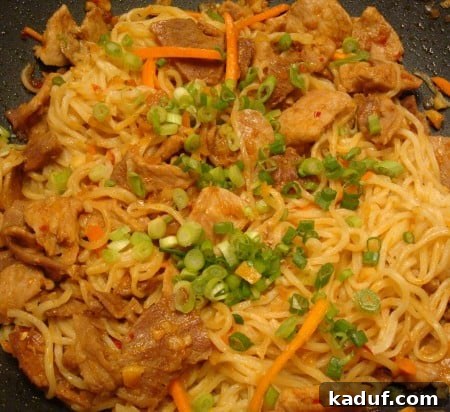
Discover the Irresistible Flavors of Authentic Chiang Mai Noodles: A Weeknight Thai Culinary Adventure
Embark on a culinary journey to Northern Thailand right in your own kitchen with this incredibly simple yet extraordinarily flavorful Chiang Mai Noodles recipe. Forget takeout; these aromatic, savory, and perfectly spiced noodles are a dream come true for any weeknight meal. Get ready to experience a dish so delicious, it will instantly become a cherished favorite in your recipe repertoire.
My First Foray into Thai Cuisine: A Triumphant Success Story
My initial attempt at cooking a Thai dish at home was an overwhelming triumph, an experience that ignited a passion for exploring the vibrant world of Southeast Asian flavors. This particular dish, Chiang Mai Noodles, was so spectacularly delicious that I am writing this post during what should have been a much-needed nap. With my three boys finally sleeping soundly after two challenging nights battling a ferocious cold, I am sacrificing precious rest to share this incredible recipe with you – because some culinary discoveries are simply too good to keep to yourself.
The beauty of this dish lies in its exquisite balance. The flavors are intense and complex, yet they harmonize so seamlessly that no single ingredient overpowers another. Each bite offers a symphony of sweet, savory, spicy, and tangy notes, creating a truly unforgettable taste experience.
Why These Easy Chiang Mai Noodles Will Become Your Go-To Recipe
Unforgettable Flavor Profile: A Taste of Northern Thailand
Chiang Mai Noodles, known as Khao Soi in Thailand, is a signature dish of Northern Thailand, particularly famous in its namesake city, Chiang Mai. It’s renowned for its rich, creamy, and mildly spicy curry broth, typically made with coconut milk and red curry paste. This recipe captures the essence of this traditional dish, delivering an authentic taste that is both comforting and exotic. The combination of tender egg noodles, savory pork, fragrant aromatics, and a beautifully balanced sauce creates a depth of flavor that is truly remarkable. Prepare your taste buds for an adventure!
Lightning-Fast Preparation for Busy Weeknights
One of the most appealing aspects of this recipe is how quickly it comes together. In today’s fast-paced world, finding a meal that is both incredibly delicious and incredibly quick to prepare is a true culinary victory. From start to finish, you can have a piping hot bowl of these delectable noodles on your table in under 30 minutes. This makes it an absolute lifesaver for those hectic weeknights when you crave something special but are short on time. Forget the long queues for takeout; homemade Thai food is now within easy reach!
Accessible Ingredients for Every Home Cook
While some Thai ingredients might seem intimidating at first glance, don’t let that deter you! I found almost all the necessary items for this recipe at my local everyday grocery store. The process of seeking out any unique ingredients, like fish sauce, is well worth the effort, as you’ll be rewarded with a dish that is truly out of this world. Plus, many of these ingredients, once purchased, can be used in numerous other Asian-inspired recipes, opening up a whole new world of culinary possibilities. I promise, after one bite, you’ll be eager to make this dish again and again!
A Meal That Conquers Even the Toughest Critics
My husband is usually quite vocal about his basketball game highlights after a night on the court, recounting every superhuman move by his fellow 30 or 40-something teammates trying to relive their glory days. However, after trying these Chiang Mai Noodles, all I heard for the rest of the evening was enthusiastic praise for dinner. The sheer deliciousness of this meal completely overshadowed his post-game analysis, a testament to its incredible appeal. It looks like we’ve officially found our new “game night” meal!
By the way, I owe a huge thank you to my friend, Nicole, for lending me “The Complete Cookbook” she received as a wedding present years ago. It’s the biggest cookbook I’ve ever held, boasting over 600 pages of culinary inspiration. After the resounding success of this recipe, I’m incredibly excited to dive into more of its treasures and explore new dishes.
Unlocking Authentic Thai Flavors: Key Ingredients & Sourcing Tips
To truly master these Chiang Mai Noodles, understanding and correctly sourcing a few key ingredients is essential. While the list might look exotic, most items are readily available, and the few specialty ingredients are well worth the hunt.
The Essential Noodles: Fresh Egg Noodles
This recipe calls for fresh egg noodles, which provide a wonderfully chewy texture that perfectly complements the rich curry broth. If you’ve never purchased them before, don’t fret! I typically find fresh egg noodles in the refrigerated section of my grocery store, often right next to the wonton wrappers or other fresh pasta. Their freshness makes a significant difference in the final texture of the dish. If fresh egg noodles are absolutely unavailable, dried egg noodles or even fresh linguine or fettuccine can be used as a substitute, though the authentic texture will be slightly different.
The Heart of the Dish: Red Curry Paste
Red curry paste is the backbone of the flavor in Chiang Mai Noodles, providing that distinctive aromatic and spicy base. You can find red curry paste in the Asian foods aisle of most major supermarkets. Look for a good quality brand, as the flavor can vary significantly. A good paste will be vibrant in color and have a rich, complex aroma, indicating a blend of dried red chilies, galangal, lemongrass, kaffir lime peel, and other spices. The quality of your curry paste will directly impact the depth and authenticity of your dish.
The Secret Weapon: Fish Sauce
Ah, fish sauce – perhaps the most misunderstood yet essential ingredient in Southeast Asian cuisine. If you’re a novice, be warned: fish sauce has a potent, almost pungent aroma straight from the bottle. It’s perhaps the stinkiest ingredient I have ever used! But please, do not let its initial smell deter you. Get past it! You can hold your nose, burn some candles, or even delegate the task of adding it to a brave family member. The magical transformation happens when it hits the hot wok and blends with the other ingredients; the offensive odor completely dissipates, leaving behind an incredible depth of savory, umami flavor that cannot be replicated by anything else. It’s the secret to that authentic Thai taste. You can often find large bottles of fish sauce in the Asian foods section of your grocery store or, for a wider selection and often better prices, at an Oriental market. If you are pregnant and sensitive to strong smells, you might want to save this recipe for a later date!
Controlling the Heat: Red Chili and Shallots
The original recipe suggests a whole red chili, finely chopped. However, because my two young boys were eating this, I opted to scale down the amount, using only half a chili. This allowed for a pleasant warmth without overwhelming their palates. If you enjoy a fiery kick, feel free to use the entire pepper, or even two! Finely chopped shallots contribute a delicate oniony sweetness and fragrance that mellows beautifully during stir-frying, adding another layer of complexity to the dish.
Protein Power: Lean Pork and Alternatives
This recipe calls for lean pork, finely sliced, which cooks quickly and absorbs the flavors of the sauce wonderfully. I’ve even successfully used half a pork roast I had in my freezer, thinly slicing it down. This flexibility means you can adapt the recipe to what you have on hand. For those who prefer other proteins, thinly sliced chicken breast or thighs, beef, or even shrimp would work beautifully. For a vegetarian option, firm tofu or tempeh, pressed and cut into cubes, can be an excellent substitute.
Adding Vibrancy and Texture: Carrots and Green Onions
Carrots, cut into thin strips, add a touch of sweetness, a vibrant splash of color, and a pleasant crunch to the noodles. While cutting them into thin strips can be a bit of a “beast” (especially with baby carrots!), the effort is worth it for the visual appeal and textural contrast. Green onions, finely sliced, provide a fresh, pungent finish, adding a final layer of freshness and aromatic complexity that brightens the entire dish.
Chiang Mai Noodles
Pin Recipe
Ingredients
- 1 pound fresh egg noodles
- 1 tablespoon oil
- 2 shallots, finely chopped
- 6 cloves garlic, chopped
- 1 teaspoon finely chopped red chili (adjust to taste, see notes)
- 1 ½ tablespoons red curry paste
- 12 ounces lean pork, finely sliced (or substitute chicken, beef, or tofu)
- 1 carrot, cut into thin strips
- 2 tablespoons fish sauce
- 2 tablespoons brown sugar
- 3 green onions, finely sliced
Instructions
- Cook the egg noodles in boiling water for 2 minutes or until tender. Drain and keep warm. Heat the oil in a wok or large skillet over high heat until it is very hot. Add the shallots, garlic, chili, and curry paste. Stir-fry for 2 minutes or until fragrant, being careful not to burn the aromatics.
- Add the finely sliced pork to the wok and cook for 3 minutes, or until the meat changes color and is lightly browned. Break up any clumps of pork as it cooks.
- Stir in the carrot, fish sauce, and brown sugar. Bring the mixture to a boil, stirring constantly to dissolve the sugar and ensure the sauce is well combined.
- Finally, add the cooked noodles and the sliced green onions to the wok. Toss everything together vigorously until the noodles are thoroughly coated with the delicious sauce and the green onions are just beginning to wilt. Serve immediately for the best flavor and texture. (Though, as my husband can attest, it reheats surprisingly well for leftovers!)
Notes
Fish Sauce Caution: If you’re new to fish sauce, remember its strong smell in the bottle is normal and will dissipate during cooking. It’s crucial for authentic flavor, so don’t skip it! Its unique umami is irreplaceable. For more spice, feel free to increase the amount of red chili, or even add a pinch of chili flakes at the end.
Spice Level Adjustment: The recipe calls for 1 teaspoon of finely chopped red chili. For a milder version, especially if serving children or those sensitive to heat, reduce the chili to half a teaspoon or omit it entirely. For a bolder, spicier dish, use the full teaspoon, or even up to 2 teaspoons for a real kick!
Protein Variations: While pork is traditional and delicious, feel free to experiment with other proteins. Thinly sliced chicken breast or shrimp would make excellent alternatives, cooking in a similar amount of time. For a vegetarian option, pan-fried firm tofu cubes can be added at the same stage as the pork.
Vegetable Additions: Don’t limit yourself to just carrots! Bell peppers, snap peas, or thinly sliced cabbage can also be added for extra nutrients and texture. Add harder vegetables along with the carrots, and softer ones towards the end of cooking.
Garnish Suggestions: For an extra layer of flavor and authenticity, consider garnishing your finished Chiang Mai Noodles with a squeeze of fresh lime juice, a sprinkle of chopped cilantro, or even some crispy fried shallots or crushed peanuts for added texture.
Mel Gunnell
Pro Tips for Mastering Your Homemade Thai Noodles
Creating restaurant-quality Thai food at home is easier than you think, especially with a few insider tips:
- Wok Heat is Key: For stir-frying, ensure your wok or skillet is extremely hot before adding ingredients. This helps achieve that desirable “wok hei” (breath of the wok), a smoky, charred flavor that elevates Asian dishes. Don’t overcrowd the pan, as this can steam the ingredients instead of stir-frying them. Cook in batches if necessary.
- Prep Everything in Advance: “Mise en place” is crucial for stir-fries. Chop all your vegetables, slice your pork, measure out your sauces, and have your noodles cooked and ready before you even turn on the stove. Once the cooking starts, it moves very quickly!
- Taste and Adjust: Thai cooking is all about balance. Don’t be afraid to taste your sauce before adding the noodles and adjust the flavors. Need more sweetness? Add a pinch more brown sugar. Craving more tang? A squeeze of lime juice at the end can do wonders. More umami? A tiny splash more fish sauce.
- Fresh Herbs Make a Difference: While not explicitly in the core recipe, a garnish of fresh cilantro or Thai basil can truly elevate the dish, adding a burst of freshness and aromatic complexity. Don’t underestimate the power of fresh herbs!
- Don’t Be Afraid of Spice: While I adjusted for my kids, the beauty of this dish is its adaptability. Start with a conservative amount of chili and gradually increase it in future attempts until you find your perfect level of heat.
Embrace Your Inner Chef: A Call to Culinary Adventure
Cooking these Chiang Mai Noodles is more than just following a recipe; it’s an invitation to explore new flavors, build confidence in your kitchen, and bring the vibrant culinary traditions of Thailand into your home. This dish proves that incredible taste doesn’t have to come with a hefty price tag or a complex cooking process. It’s proof that delicious, authentic, and fast meals are entirely possible on even the busiest of days.
So, why wait? Gather your ingredients, prepare your wok, and get ready to create a meal that will impress your family and friends, and satisfy your cravings for something truly special. I am confident that these Chiang Mai Noodles will be a resounding success in your kitchen, just as they were in mine. Enjoy every flavorful bite!