
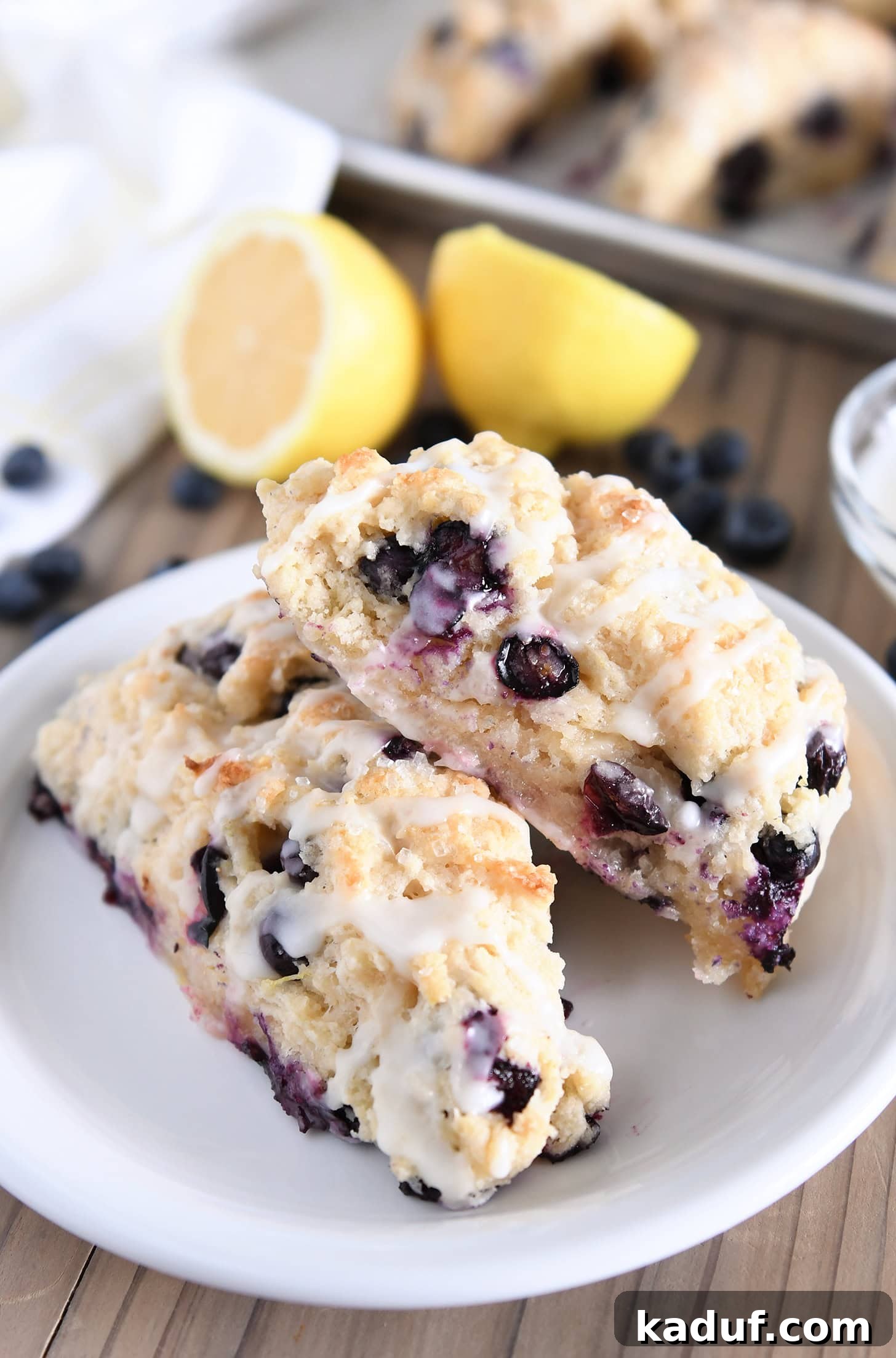
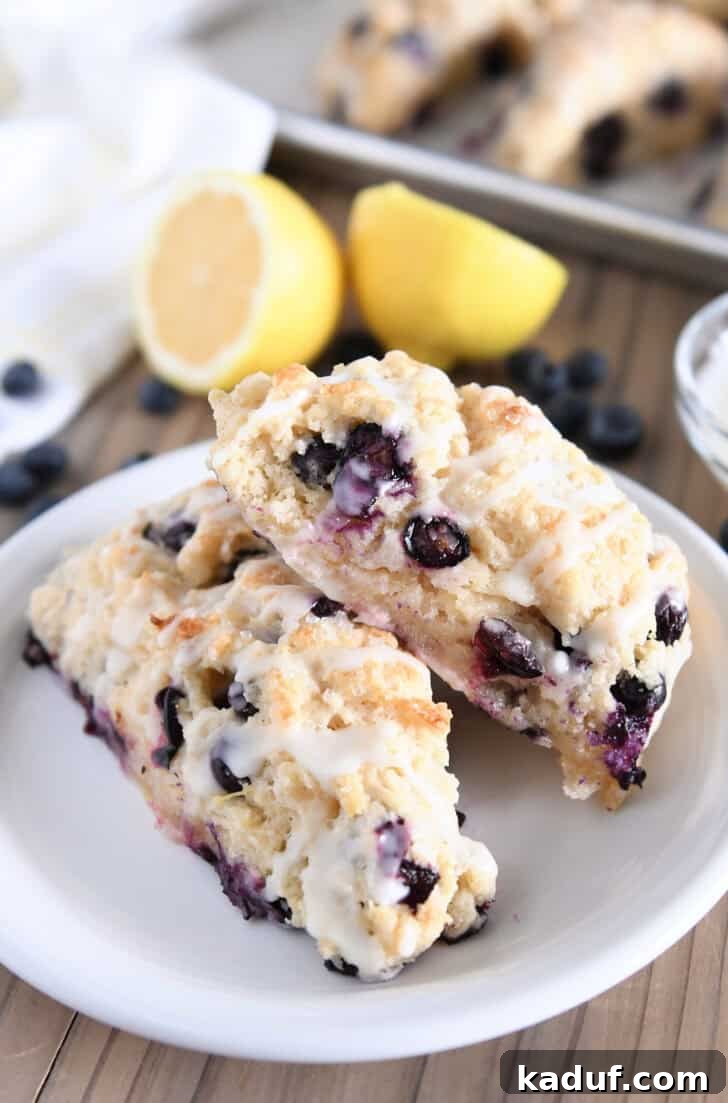
Welcome to a culinary journey that promises to elevate your breakfast or brunch experience: our irresistible Lemon Blueberry Scones. These aren’t just any scones; they are a symphony of flavors and textures, featuring plump, juicy blueberries nestled within a tender, flaky dough, all crowned with a vibrant, tart-sweet lemon glaze. Each bite offers a delightful contrast of tangy citrus and sweet berry, making them an absolute must-try for any baking enthusiast.
While blueberries shine brightest in this recipe, don’t let that limit your creativity! These versatile scones are equally magnificent with other fresh berries like raspberries, offering a slightly different but equally delightful tang. If you’re fortunate enough to find huckleberries, they would undoubtedly add a unique, wild sweetness to this already phenomenal treat. Prepare to be amazed by the depth of flavor and the perfect scone texture you’re about to achieve.
The Secret to the Perfect Flaky Scone Dough
The foundation of these outstanding lemon blueberry scones is a scone dough recipe I’ve perfected over years, celebrated for consistently producing incredibly flaky and tender results. It’s the ideal canvas for a variety of add-ins, but it truly excels when paired with the bright zest of lemon and the sweetness of blueberries. Achieving this signature flakiness and tenderness is less about magic and more about mastering one crucial technique: incorporating cold butter into your dry ingredients.
Just like with pie crusts or biscuits, the method involves cutting very cold butter into small, pea-sized pieces within the flour mixture. As these tiny butter pieces melt during baking, they release steam. This steam creates miniature pockets, separating the layers of dough and resulting in those coveted soft, flaky layers that define a truly exceptional scone. The colder the butter, the better this process works, so keep your butter in the refrigerator until the very moment you’re ready to use it.
There are several effective ways to cut cold butter into the dry ingredients for this scone dough, each with its own advantages:
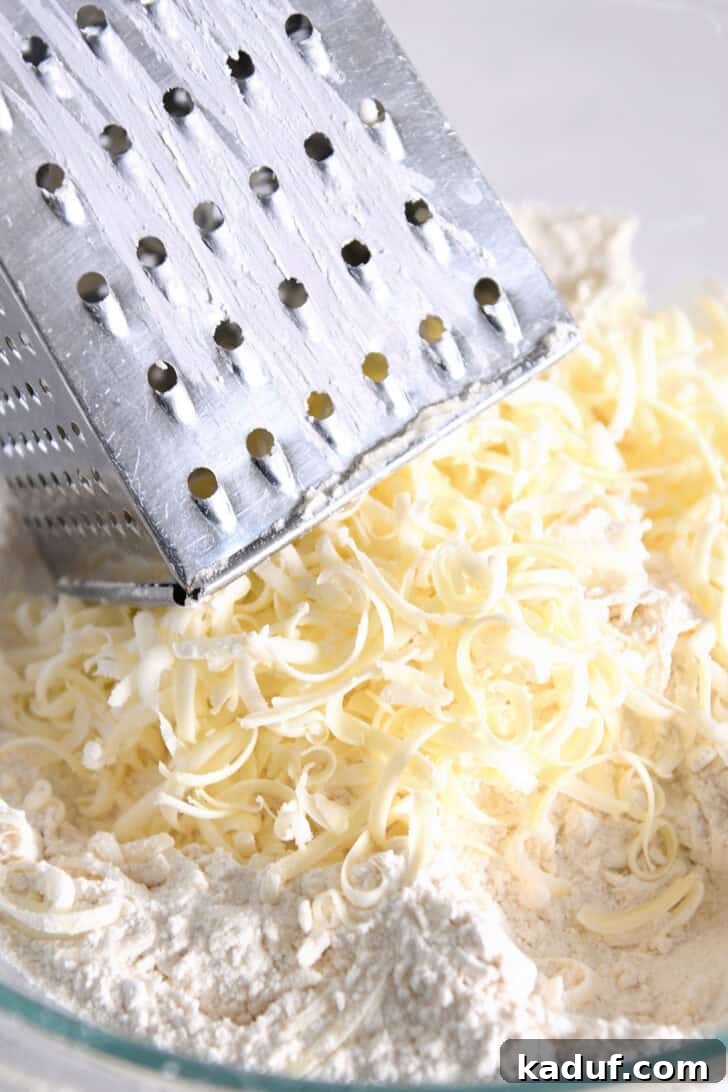
- Grating Cold Butter: This method involves using a box grater to shred frozen or very cold butter directly into your dry mixture. The fine shreds are effortless to incorporate evenly.
- Food Processor Method: For a quick and efficient approach, pulse the cold butter alongside the dry ingredients in a food processor. This rapidly breaks the butter into small, uniform pieces without overworking the dough.
- Pastry Blender Technique: A classic tool, the pastry blender, allows you to cut the butter into the flour by hand, giving you precise control over the size of the butter pieces.
My personal preference for this lemon blueberry scone recipe is the box grater method. It’s incredibly straightforward, exceptionally fast, and minimizes cleanup. Once the butter is grated into fine shreds, a simple toss with the dry ingredients is all that’s needed to distribute it evenly. There’s no strenuous cutting or blending required, making it perfect for bakers of all skill levels to achieve perfect results every time.
Incorporating Fresh Fruit for Bursts of Flavor
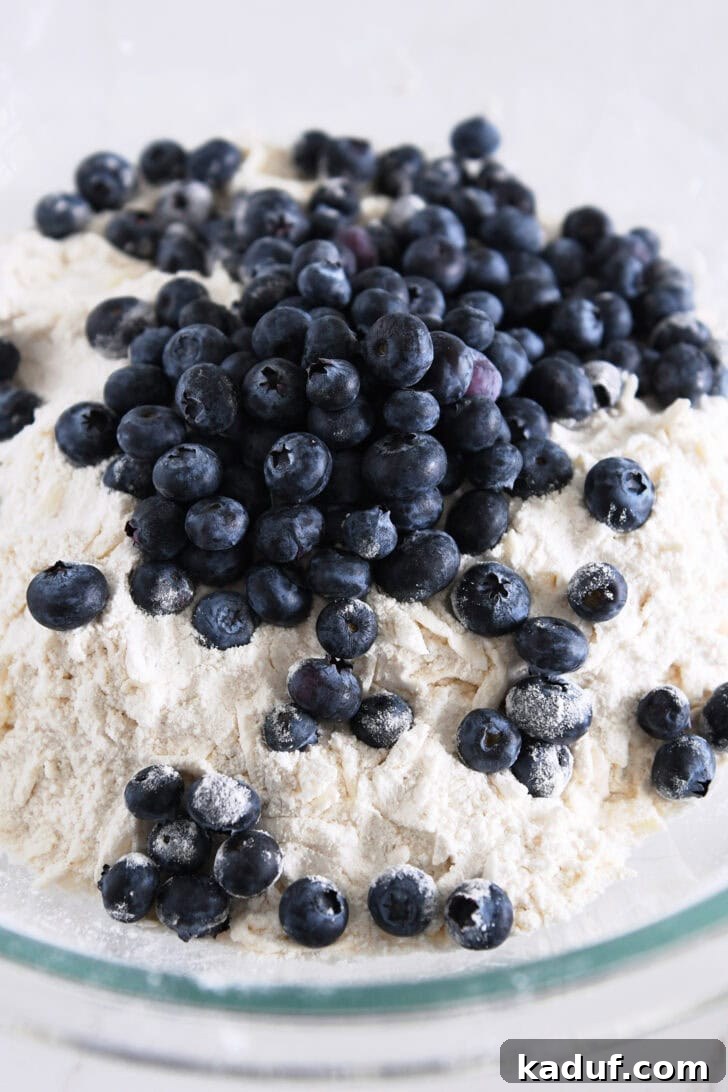
Adding fresh fruit to this delicate scone dough is a simple step that yields incredible flavor and a beautiful visual appeal. For these lemon blueberry scones, the vibrant blueberries are gently tossed with the dry ingredients and butter shreds *before* any liquid, like buttermilk and lemon juice, is introduced. This initial toss helps coat the berries, preventing them from sinking to the bottom during baking and ensuring an even distribution throughout each scone.
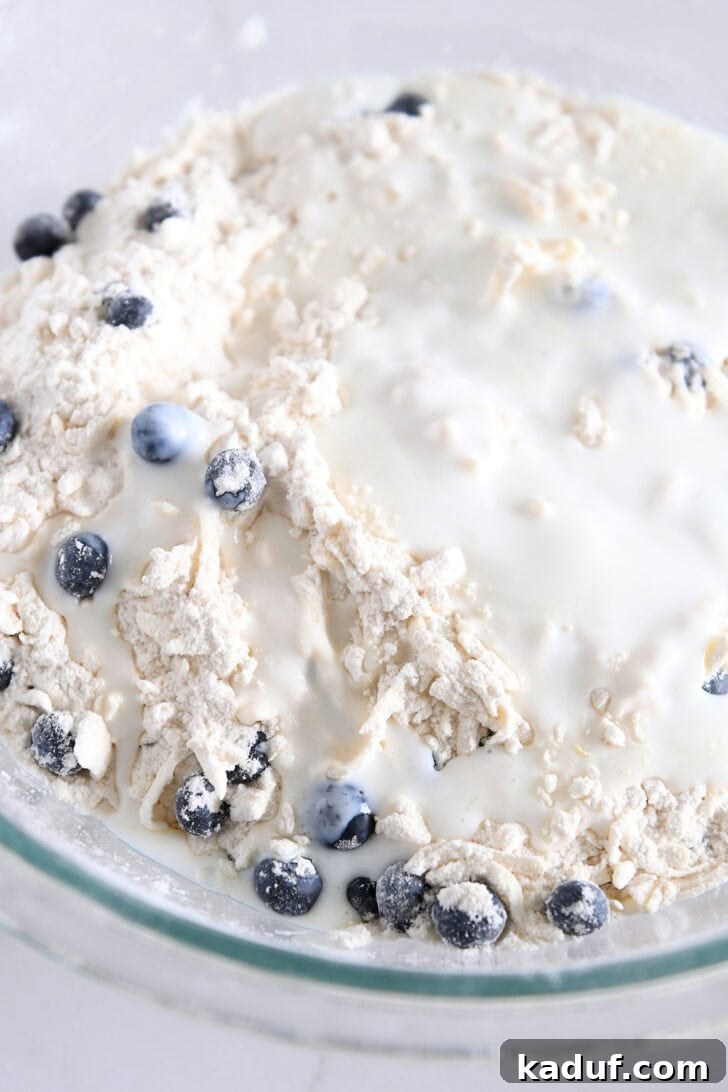
Once the buttermilk and fresh lemon juice are added, the key is to mix the dough gently. Use a silicone spatula or your hands to carefully fold the ingredients until they just begin to come together. The goal is to avoid mashing the blueberries. While it’s almost inevitable that a few berries might burst during this process, most should remain intact, ready to deliver delightful pops of sweetness and tartness in every bite. Mishandling the dough at this stage can lead to a bruised, discolored appearance and a less desirable texture.
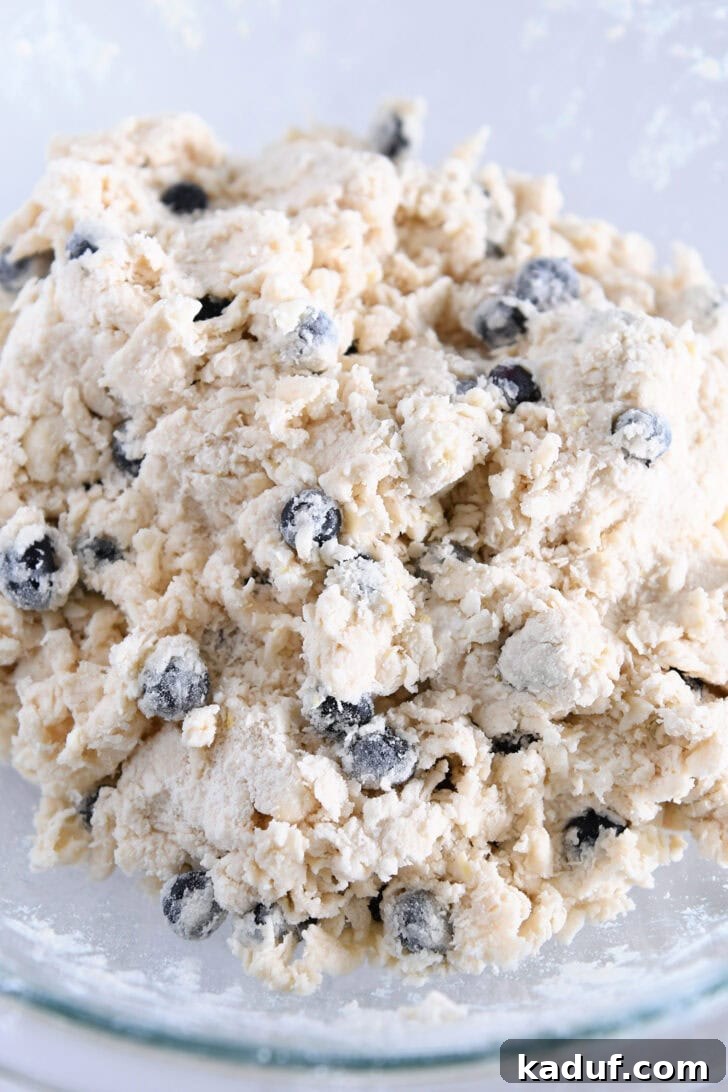
Don’t expect a perfectly smooth or homogenous dough – this is actually a good sign! Scone dough, especially one with fresh fruit, is meant to be rustic and slightly shaggy. You’ll likely see individual blueberries peeking through, and the corners might look a bit ragged. Embrace this natural, homemade look; it’s part of the scone’s charm and an indicator that you haven’t overmixed.
Remember, the cardinal rule for achieving the best scones of your life is to avoid overworking the dough! Over-mixing develops the gluten in the flour excessively, leading to dry, tough, and heavy scones instead of the light, tender, and flaky treats we’re aiming for. Mix just until the ingredients are combined, and the dough barely holds together.
Shaping Your Lemon Blueberry Scones: A Guide to Perfection
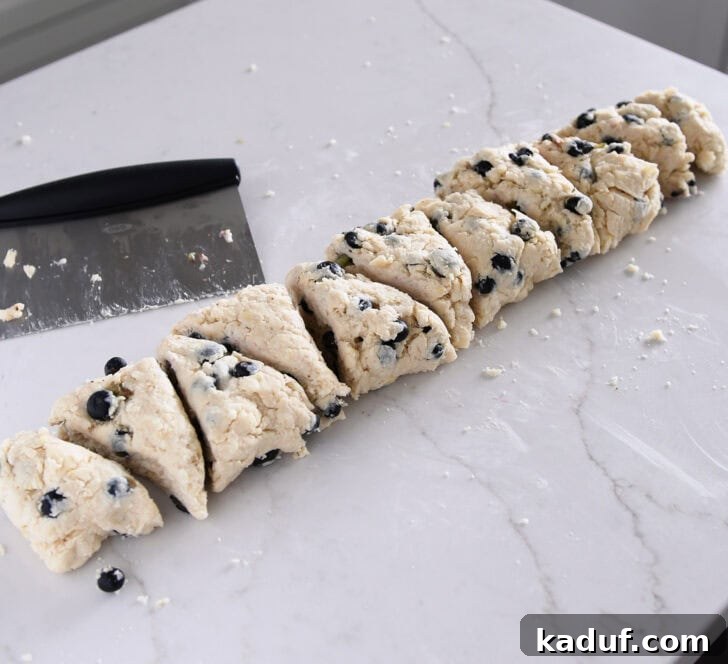
Once your dough for these delightful lemon blueberry scones is ready, the next step is to shape and cut them. This process is surprisingly simple and allows for a bit of personalization in terms of size and appearance. Start by gently turning the dough out onto a lightly floured surface. With minimal handling, lightly press and pat the dough into a cohesive mass. Then, carefully shape it into a long, uniform rectangle, approximately 15 inches long by 3 inches wide. This elongated shape makes it easy to cut evenly sized triangular scones.
To cut the scones, a bench scraper is an invaluable tool. Its sharp, straight edge allows for clean, precise cuts, ensuring that each scone has a crisp, defined edge, which contributes to their beautiful rise. Simply use the bench scraper to divide your rectangle into 10 to 12 triangular wedges, depending on your desired scone size. If you don’t have a bench scraper, a sharp knife will work just as well, though you might need to clean the blade between cuts to prevent sticking.
Explore these alternate methods for shaping your scone dough:
- For larger, more substantial scones, you can press the dough into a shorter and wider rectangle. This yields fewer but generously sized scones, perfect for a hearty breakfast.
- A classic approach is to press the dough into a circular shape, about 1-inch thick, and then cut it into traditional pie-shaped wedges. This method is aesthetically pleasing and yields scones that look beautifully homemade.
- Alternatively, press the dough into a square and cut it into square-shaped scones. For those who prefer round scones, a round biscuit cutter can be used. Keep in mind that cutting circles will produce dough scraps, which can be lightly re-rolled and cut (though over-re-rolling can make scones tougher) or baked as rustic “scone bites.”
- For ultimate convenience and perfectly uniform scones, consider pressing the dough into a scone pan. These specialized pans help maintain the scone’s shape during baking and often result in beautifully golden-brown edges.
The Final Touches: Before and After Baking for Scone Perfection
The journey to perfect lemon blueberry scones involves a couple of simple yet impactful steps both before and after they enter the oven. These finishing touches contribute significantly to their irresistible appearance and flavor.
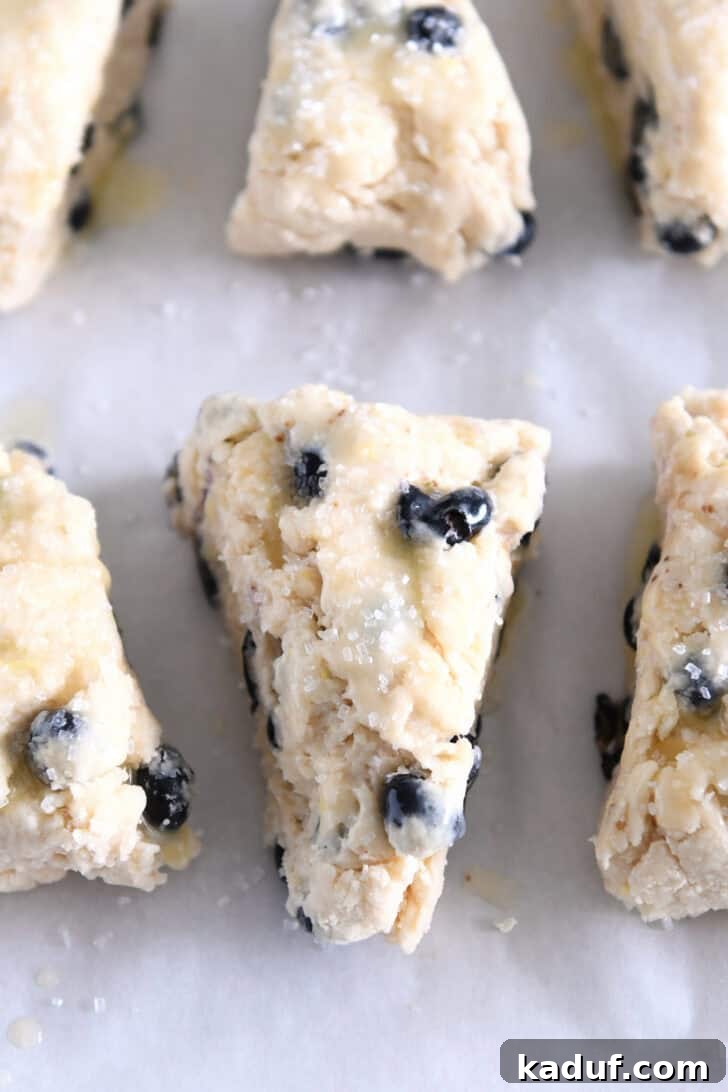
Before baking, arrange your perfectly shaped scones on a parchment-lined baking sheet, leaving a small space between each one. Then, with a pastry brush, generously coat the tops of each scone with melted butter. This creates a rich, golden canvas for the next step: a liberal sprinkling of coarse sugar or turbinado sugar. This isn’t just for show; as the scones bake, the melted butter helps the sugar adhere and caramelize, forming a delightful buttery, crunchy crust that provides a wonderful textural contrast to the tender interior. It’s a simple addition that elevates the entire scone experience, making them utterly yummy and visually appealing.
Don’t be daunted by the 400°F (200°C) baking temperature. This high heat is a secret weapon in scone baking. It provides an initial burst of heat that helps the scones rise quickly and hold their shape, encouraging those beautiful flaky layers to form. The result is scones that are baked to perfect doneness – golden on the outside, and soft and moist on the inside.
After baking, the anticipation builds! Allow your freshly baked lemon blueberry scones to cool on the pan or a wire rack. This cooling period is essential before applying the glaze. While they cool, whip up the incredibly simple yet impactful lemon glaze. It’s literally just powdered sugar whisked with fresh lemon juice. The consistency should be thick enough to cling to the scones but still pourable. Drizzle this vibrant, tart-sweet glaze generously over the cooled scones. The glaze adds another layer of bright lemon flavor and a beautiful sheen, completing these exquisite treats.
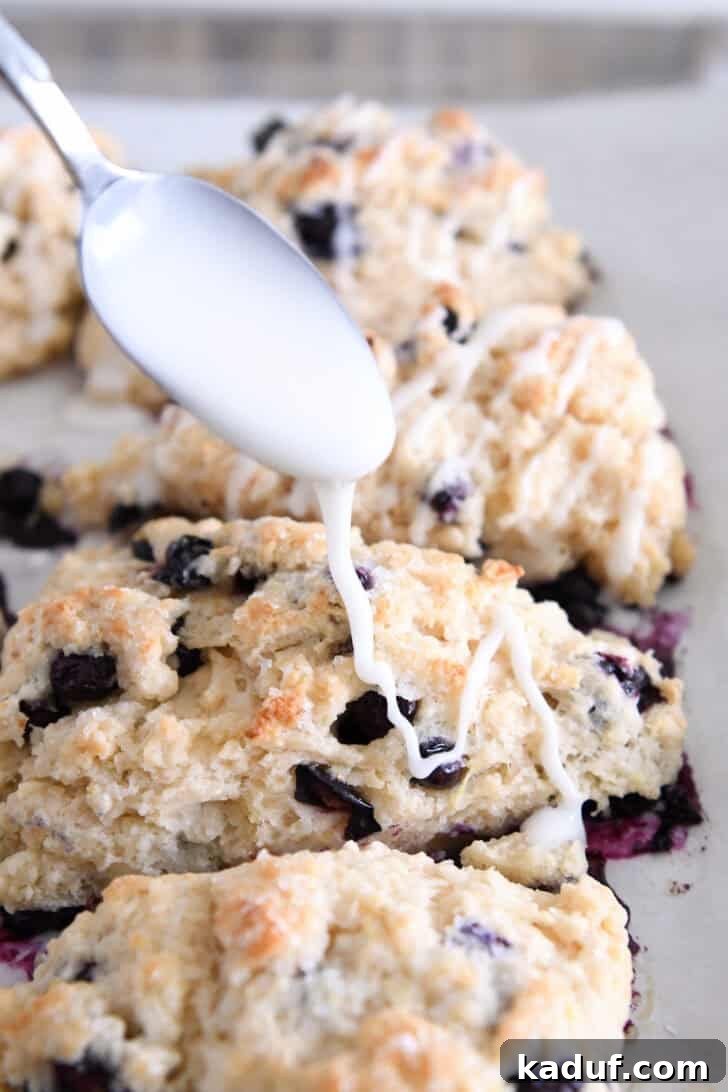
These lemon blueberry scones truly stand out as a culinary triumph. From their flaky texture to the vibrant burst of blueberries and the zesty tang of lemon, they offer an unparalleled sensory experience. I can confidently say they are among the finest scones I’ve ever had, and that’s a significant statement coming from someone who has enjoyed countless varieties of scones over the years.
The combination of lemon and blueberries is a match made in heaven. The bright, acidic notes of lemon beautifully complement the sweet and slightly tart profile of the blueberries. In this recipe, the lemon isn’t just in the glaze; its zest is infused into the dough, creating a harmonious flavor foundation. The blueberries then add those delightful pockets of fresh, juicy sweetness that truly make these scones sing.
Versatile and utterly satisfying, these lemon blueberry scones are perfect for any occasion. Serve them warm for a comforting start to your day, as an elegant addition to a brunch spread, a delightful afternoon snack with tea, or even a light, refreshing dessert. They are equally delicious served at room temperature, making them ideal for bringing to gatherings or packing for a picnic. The balance of flavors and the tender crumb will undoubtedly make these a new favorite in your baking repertoire.
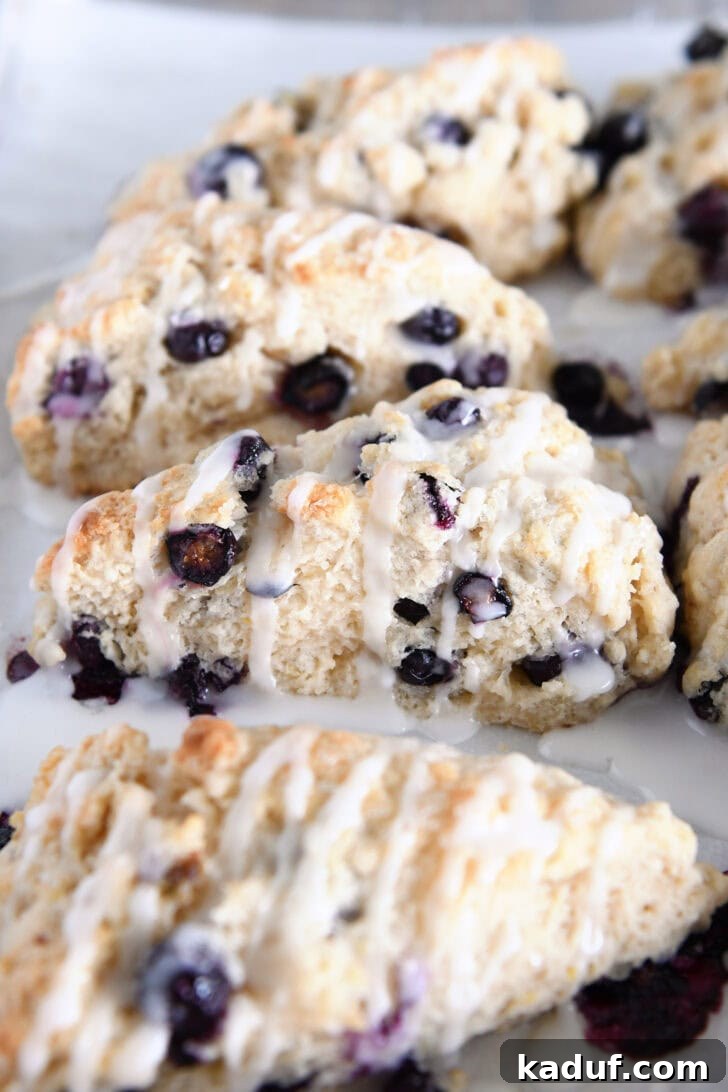

Versatile Adaptations for Your Lemon Blueberry Scones
One of the beauties of this lemon blueberry scone recipe is its incredible adaptability. While the classic combination is divine, the base dough is robust enough to accommodate a variety of changes, allowing you to customize your scones to suit your preferences or what you have on hand. Don’t hesitate to experiment and make these scones uniquely yours!
- Plain Lemon Scones: If you adore the bright, zesty flavor of lemon but prefer to omit the fruit, this recipe works wonderfully as a simple lemon scone. Just leave out the blueberries. You might need to adjust the buttermilk slightly; start with ¾ cup and add the extra tablespoons only if the dough seems too dry and crumbly to come together. These pure lemon scones are fantastic with coffee or tea.
- Experiment with Other Fruits: The scone base is incredibly versatile for other fresh berries. Try swapping blueberries for an equal amount of fresh raspberries or blackberries for a tangier profile. If you can find huckleberries, they offer a delicate, unique sweetness that is truly special. Remember to handle all berries gently to keep them intact.
- Using Frozen Fruit: While fresh fruit is often preferred for its texture, frozen fruit can certainly be used with a few considerations. For larger frozen fruits like blueberries, it’s best to thaw them completely and then pat them thoroughly dry to remove excess moisture before adding to the dough. This helps prevent the dough from becoming too wet and minimizes color bleed. For smaller frozen fruits, such as wild blueberries or huckleberries, you might be able to add them directly from frozen. Always be aware that frozen fruit, whether thawed or not, is more likely to bleed its color into the dough than fresh fruit, creating a slightly purple hue, which is perfectly fine and still delicious.
- Citrus Swaps: The lemon juice and zest provide a signature brightness to these scones. However, you can easily swap them out for other citrus flavors like lime or orange. If you do this, consider complementary add-ins: lime pairs beautifully with shredded coconut for a tropical twist, while orange zest is fantastic with cranberries or even chocolate chips. The possibilities are endless!
I genuinely believe these lemon blueberry scones will be a highlight of your baking adventures this year. Their simple elegance and profound flavors are sure to impress anyone lucky enough to try them. I eagerly await your feedback and hope you enjoy baking and savoring every tender, zesty bite!
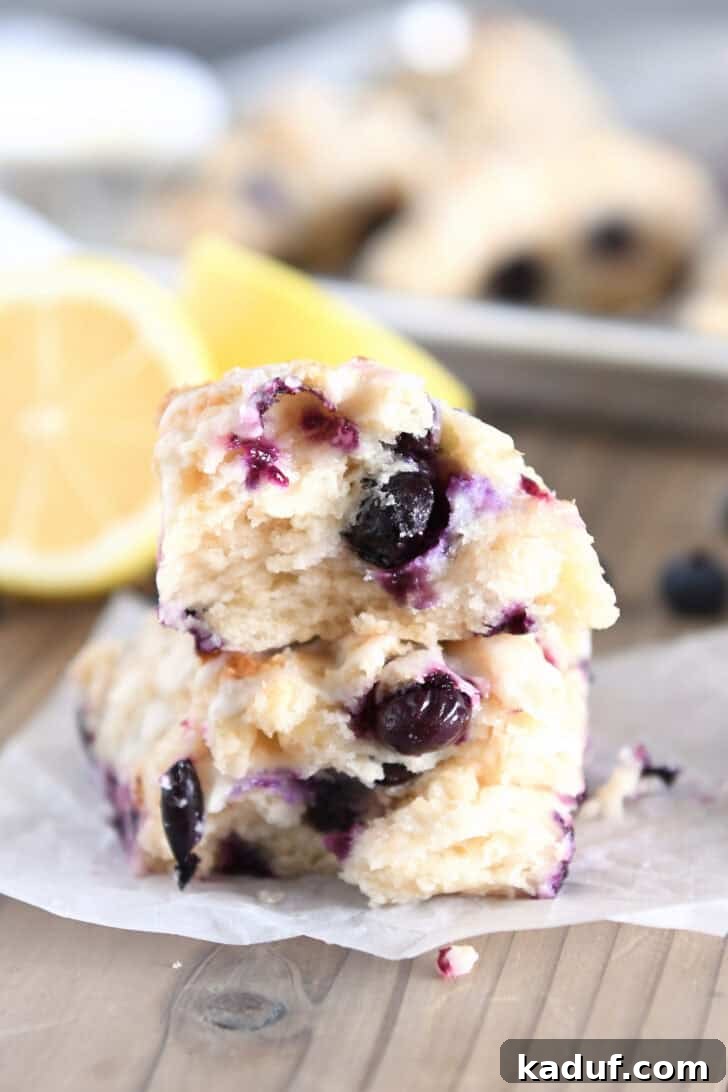

Amazing Lemon Blueberry Scones
Pin
Rate
Ingredients
Scones:
- 3 ½ cups (497 g) all-purpose flour
- ⅓ cup (71 g) granulated sugar
- 1 tablespoon fresh lemon zest (from 1 to 2 lemons)
- 2 teaspoons baking powder
- ½ teaspoon baking soda
- ½ teaspoon salt
- ¾ cup (170 g) cold salted butter
- ¾ cup + 2 tablespoons buttermilk
- ¼ cup fresh lemon juice (from 1 to 2 lemons)
- 1 to 1 ¼ cups fresh blueberries (see note for frozen berries and other fruit options)
Topping:
- 2 tablespoons melted butter
- Coarse or turbinado sugar, for sprinkling
Glaze:
- 1 ¼ cups (143 g) powdered sugar
- 2 tablespoons fresh lemon juice
Instructions
-
Preheat the oven to 400 degrees F (200°C). Line a half sheet pan with parchment paper and set aside.
-
In a large bowl, combine the flour, sugar, lemon zest, baking powder, baking soda, and salt; mix well.
-
Using the large holes of a box grater, grate the very cold butter into the dry ingredients and toss until the butter shreds are evenly coated with the flour mixture. (Refer to notes for food processor or pastry blender mixing methods.)
-
Add the fresh blueberries and gently toss to combine, ensuring they are well-distributed.
-
Add the buttermilk and fresh lemon juice. With a silicone spatula or your hands, stir and fold until the mixture just starts to come together. Mix gently to avoid mashing the blueberries (it’s okay if a few burst, but most should remain intact).
-
Do not over-mix the scone dough; it’s perfectly fine if there are still a few dry spots. The dough should come together when pressed between your fingers. Add an additional tablespoon of buttermilk at a time only if the dough is exceptionally dry and crumbly.
-
Turn the dough out onto a counter dusted with 1 to 2 tablespoons of flour. Use your hands to gently bring the dough together into a cohesive mass – working carefully around the blueberries. Lightly knead or fold the dough once or twice to fully incorporate any loose bits.
-
Pat and press the dough into a long rectangle, approximately 15×3-inches, ensuring an even thickness.
-
Use a bench scraper or a sharp knife to cut the dough into 10 to 12 triangular wedges. Place the scones about 1/2-inch apart on the prepared baking sheet. Brush the tops with melted butter and generously sprinkle with coarse sugar.
-
Bake for 15 minutes, or until the bottoms and sides are very lightly golden and the centers are no longer doughy. Let them cool on the pan for a few minutes, then transfer to a wire rack to cool completely before glazing.
-
For the glaze, whisk together the powdered sugar and fresh lemon juice in a small bowl. Add additional lemon juice, a teaspoon at a time, if needed, until the glaze is thick but pourable. If it becomes too thin, whisk in an extra tablespoon of powdered sugar. Drizzle the glaze evenly over the completely cooled scones.
-
Serve the scones lightly warm or at room temperature for the best flavor and texture.
Notes
Frozen Blueberries: This recipe truly shines with fresh blueberries. If you opt for larger-sized frozen fruit (like blueberries), I highly recommend thawing them completely and then patting them very dry with a paper towel before incorporating them into the dough. If using smaller-sized frozen fruit (such as huckleberries or wild blueberries), you may try adding the berries frozen. Keep in mind that with any frozen fruit, whether thawed or frozen, the fruit will likely release more color into the dough, resulting in a slightly purple hue throughout, compared to using fresh fruit.
Other Fruits: This scone recipe is incredibly adaptable to other fresh fruits. Raspberries, blackberries, or huckleberries can be excellent substitutes for blueberries, offering their own unique flavor profiles.