
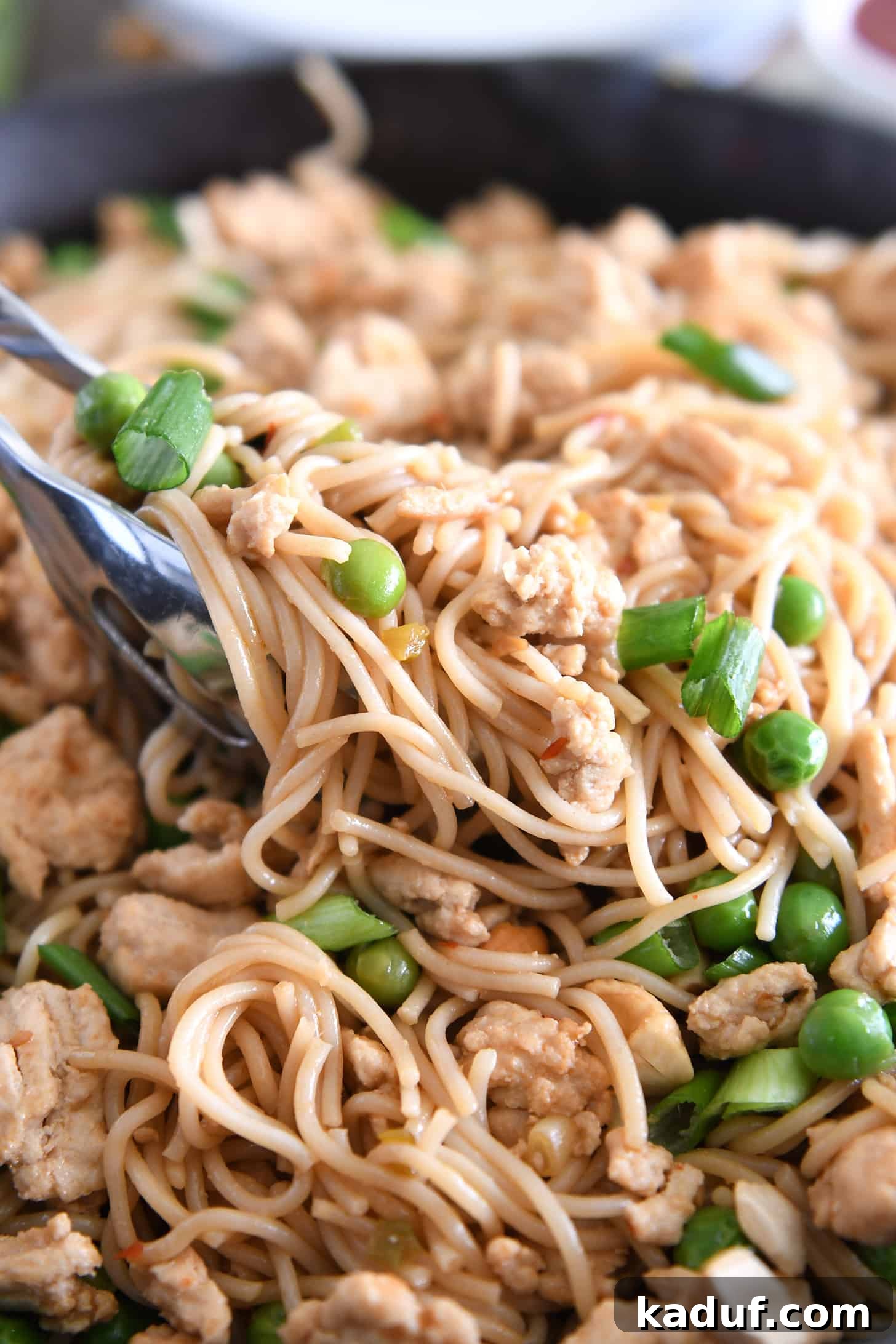
Experience a culinary revelation with these easy spicy garlic ramen noodles, transforming a humble pantry staple into an extraordinary weeknight meal. Bursting with robust flavors and ready in 30 minutes or less, this recipe is your ticket to a quick, satisfying, and utterly delicious dining experience.
Gone are the days when instant ramen was merely a college student’s survival food. This incredible recipe elevates everyday ramen noodles to gourmet status, making it a perfect choice for a quick lunch, a flavorful dinner, or even a delightful make-ahead option. Its simplicity belies a depth of flavor that will have you reaching for seconds, and perhaps even strategically hiding the leftovers for tomorrow’s treat.
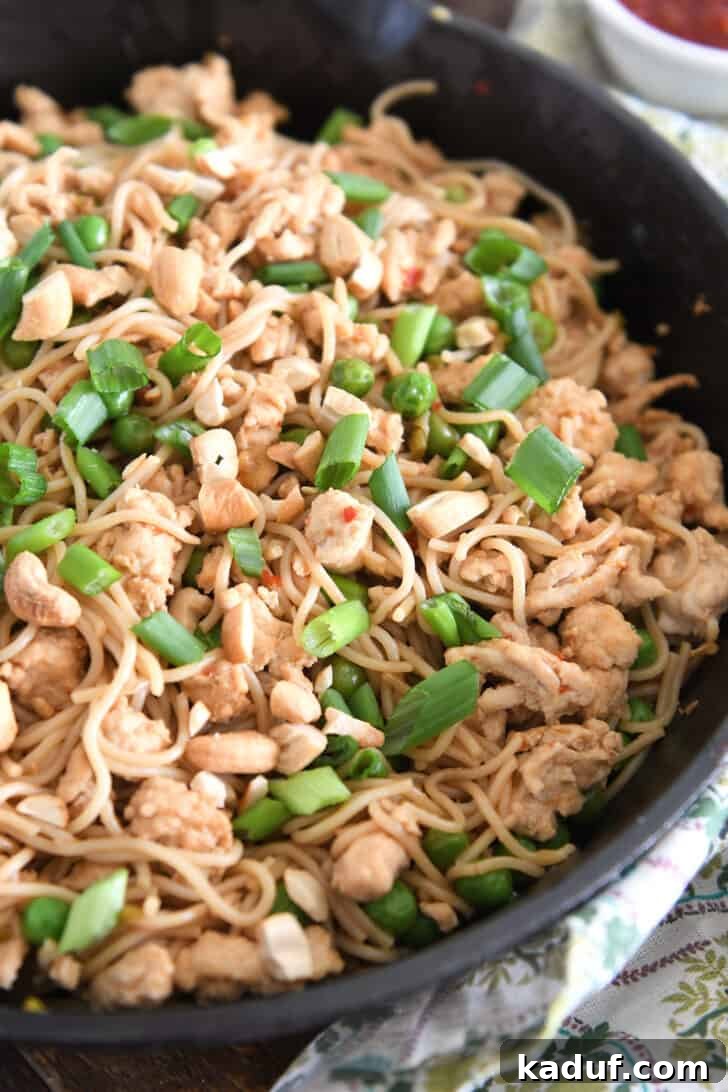
The Secret Behind the Flavor: A Simple Yet Potent Sauce
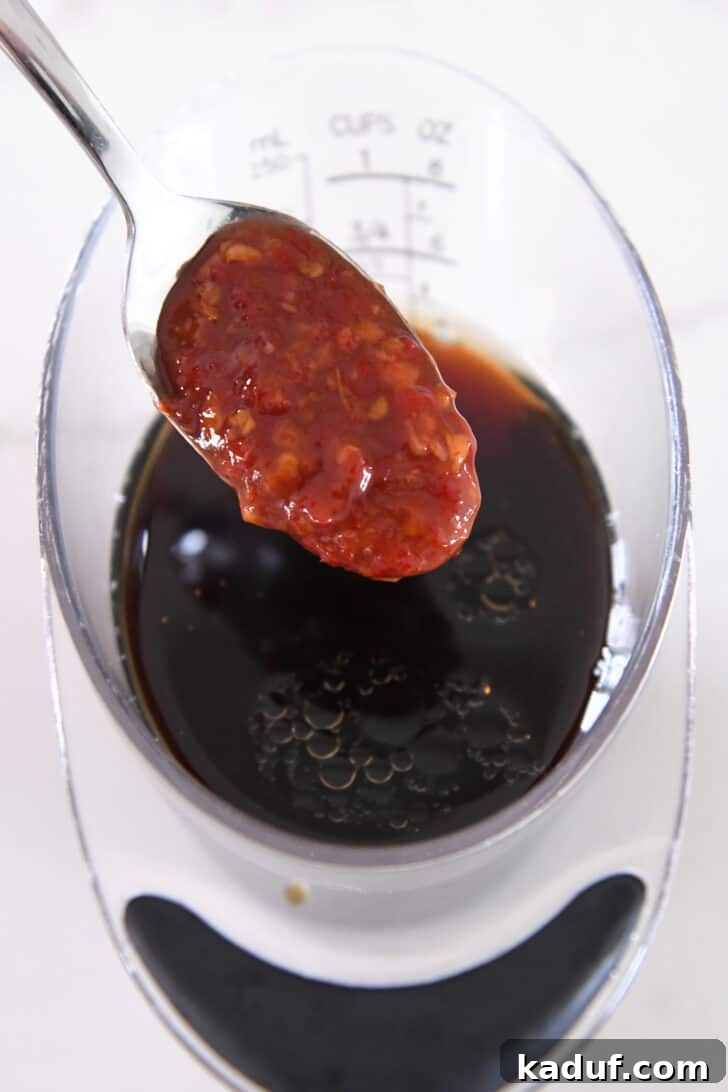
The magic of these spicy garlic ramen noodles truly begins with a thoughtfully crafted sauce. Despite its profound impact on the dish, this flavorful concoction requires only a handful of readily available ingredients, proving that extraordinary taste doesn’t need a complicated list. Each component plays a crucial role in building a harmonious flavor profile that is both savory, tangy, sweet, and spicy.
- Low-Sodium Soy Sauce: This forms the savory backbone of the sauce, providing essential umami and saltiness without overwhelming the other flavors. Using low-sodium allows for better control over the overall salt content of the dish.
- Rice Vinegar: A splash of unseasoned rice vinegar introduces a bright, subtle tang that cuts through the richness and balances the deeper flavors. It’s key for that authentic Asian-inspired zest.
- Sesame Oil: Just a teaspoon of toasted sesame oil imparts an incredibly aromatic, nutty depth. It’s a powerful flavor enhancer, so a little goes a long way.
- Chili Garlic Sauce: This is where the “spicy garlic” in our ramen comes from! It delivers a fantastic punch of heat alongside a savory garlic flavor. We recommend starting with the specified amount and adjusting to your personal preference.
- Brown Sugar: A touch of brown sugar provides a hint of sweetness, rounding out the sharpness of the vinegar and the heat of the chili garlic sauce. It creates a well-balanced, addictive glaze for the noodles.
Customizing Your Spice Level: The beauty of this sauce is its adaptability. You can effortlessly adjust the amount of chili garlic sauce to suit your preferred level of heat. For those who love a fiery kick, feel free to add an extra teaspoon or two. If you prefer a milder experience, simply reduce the quantity. However, resist the urge to omit it entirely! Even a small dab of chili garlic sauce is essential for its unique flavor contribution, which adds a layer of savory complexity beyond just heat.
Choosing the Perfect Ramen Noodles for Your Dish
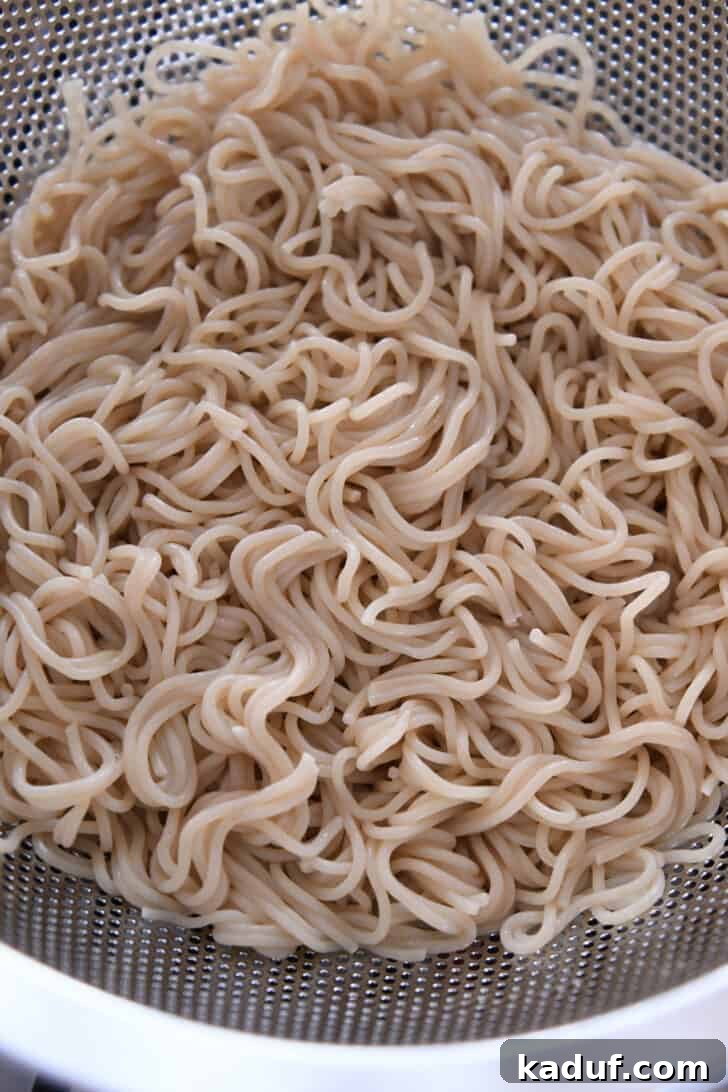
The star of any ramen dish is, of course, the noodles. For this recipe, you have fantastic flexibility when it comes to your choice of ramen, allowing you to tailor the texture and type to your preference. The most common and accessible option is the “everyday” ramen noodles – those familiar blocks found in plastic packages with powdered seasoning packets lining grocery store shelves. These work exceptionally well in this recipe; simply discard the seasoning packets as we’ll be making our own superior sauce from scratch, and cook the noodles according to the package directions until al dente.
However, your options aren’t limited to instant ramen. Other types of dry ramen noodles will also yield delicious results. I’ve personally experimented with rice ramen, specifically the Lotus Foods brand often found at Costco, and can attest that it creates a wonderfully satisfying dish with a slightly different, yet equally enjoyable, chew. Rice ramen also offers a gluten-free alternative for those with dietary restrictions.
When using dry ramen noodles that come in a bulk-style package rather than individual servings, precision in measurement is helpful. Aim for approximately two “bricks” of ramen, which typically corresponds to the same size as the standard grocery store packages. If you have a kitchen scale, a total of 6 ounces of dry ramen is the ideal amount for this recipe. This ensures the perfect noodle-to-sauce ratio, preventing your dish from being too dry or overly saucy.
Regardless of the type you choose, remember that the goal is perfectly cooked, al dente noodles that can absorb all the rich flavors of our spicy garlic sauce. Overcooked noodles will become mushy and lose their desirable texture, so pay close attention during the cooking process.
Boosting Nutrition and Flavor: Proteins and Vegetables
While the spicy garlic sauce and noodles are undeniably the stars, adding complementary ingredients can transform this dish from simple to sensational, offering both increased heartiness and a wider array of flavors and textures. The recipe calls for frozen peas and ground chicken or turkey, which are fantastic additions that contribute a fresh dimension and satisfying protein to the meal.
The ground chicken or turkey provides a lean protein source that cooks quickly and absorbs the sauce beautifully. It adds substance to the noodles, making them a more complete and filling meal. If you prefer, ground pork or thinly sliced beef can also be used, or for a vegetarian twist, consider crumbled firm tofu or tempeh, which will soak up the flavors wonderfully. The frozen peas are a brilliant addition for their vibrant color, subtle sweetness, and tender texture. They cook almost instantly when added to the hot skillet, making them incredibly convenient.
However, if you’re aiming for a super minimalist dish or are short on these specific ingredients, both the peas and the ground meat can be omitted. The resulting dish will still be a simple, intensely flavorful noodle experience. But here’s a crucial point: do NOT under any circumstances omit the core flavor enhancers that truly define this dish: the ginger, garlic, and green onions. And, of course, the delectable sauce itself. These ingredients are non-negotiable for the transformative power they bring.
The fresh ginger adds a bright, zesty warmth, while the finely minced garlic provides an aromatic depth that is fundamental to Asian-inspired cuisine. Green onions, used in both the cooking process and as a garnish, offer a mild oniony bite and a beautiful visual appeal. Removing any of these key elements would leave you with a dish that pales in comparison to its full, slurpably delicious potential. It’s these amazing flavors that elevate plain ol’ ramen into something truly extraordinary.
Tips for Culinary Success and Customization
Crafting the perfect bowl of spicy garlic ramen is easier than you might think, especially with a few tips and tricks:
- Noodle Perfection: Always cook your ramen noodles until they are just al dente. This means they should be tender but still have a slight chew. Overcooked noodles can become mushy and lose their appealing texture when mixed with the sauce. Rinsing them with cool water after draining stops the cooking process and prevents them from sticking together.
- Meat Browning: When cooking your ground chicken or turkey, ensure it’s fully cooked and nicely browned for maximum flavor. Break it into small, even pieces as it cooks to ensure it blends well with the noodles. Don’t be afraid to season it lightly with salt and pepper during this stage to build a foundational flavor.
- Aromatic Infusion: Adding the ginger, garlic, and the white parts of the green onions to the skillet with the meat allows their flavors to bloom and infuse into the dish. This aromatic base is critical for the overall depth of taste.
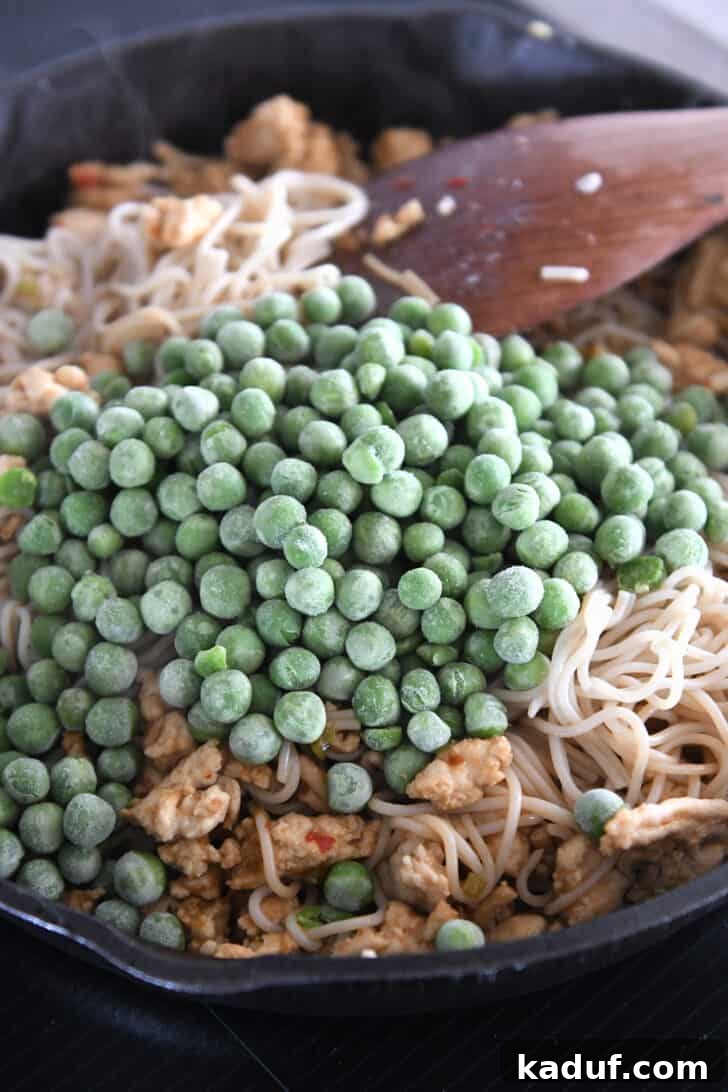
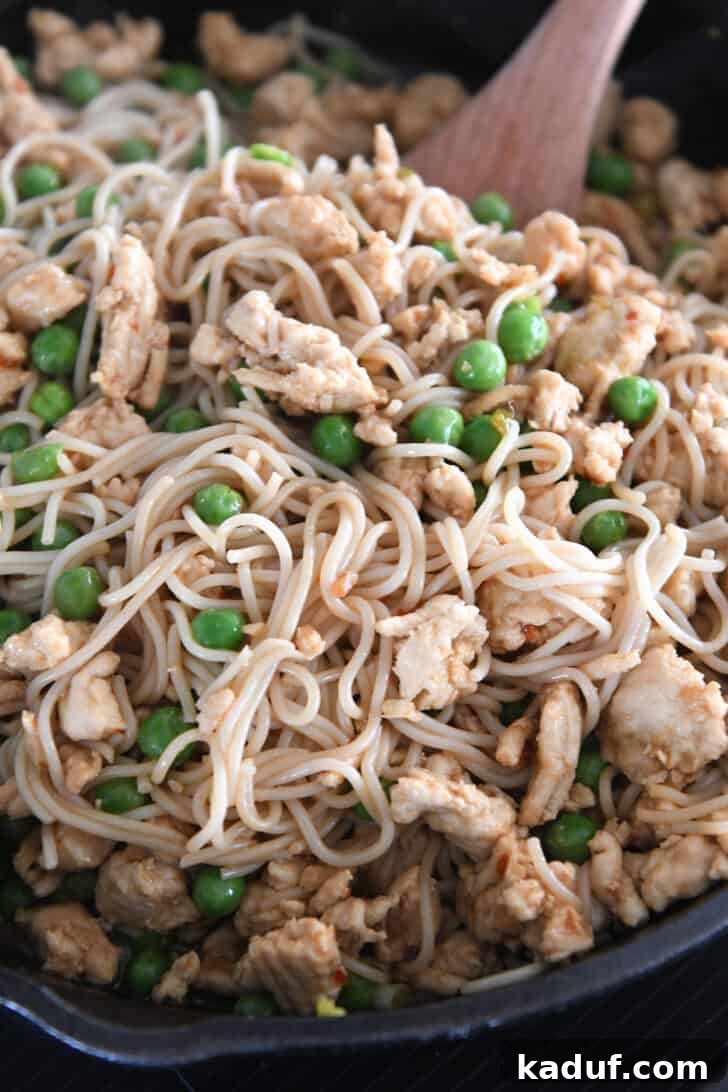
- Sauce Integration: After adding the noodles and whisking the sauce to recombine, toss everything together thoroughly. Ensure every strand of noodle and every piece of meat and pea is coated in the glossy, flavorful sauce. Cook just long enough for the peas to heat through, preventing them from becoming overcooked.
- Garnish for Glory: Don’t underestimate the power of garnishes. The chopped green onions (green parts) and cashews added at the end aren’t just for looks. They provide a beautiful pop of color, a fresh, mild oniony zing, and a delightful crunchy texture that contrasts wonderfully with the soft noodles. Roasted peanuts or sesame seeds can also be fantastic alternatives for added crunch and flavor.
Beyond these cooking tips, this recipe is incredibly versatile. Feel free to:
- Add More Veggies: Incorporate other quick-cooking vegetables like shredded carrots, thinly sliced bell peppers, spinach (added at the very end to wilt), or broccoli florets (steamed or stir-fried separately).
- Experiment with Protein: As mentioned, shrimp, sliced pork, or tofu can replace chicken/turkey. A fried egg or soft-boiled egg perched on top makes for a luxurious and protein-rich addition.
- Boost Umami: A dash of fish sauce or a sprinkle of mushroom powder can enhance the savory umami notes in the sauce.
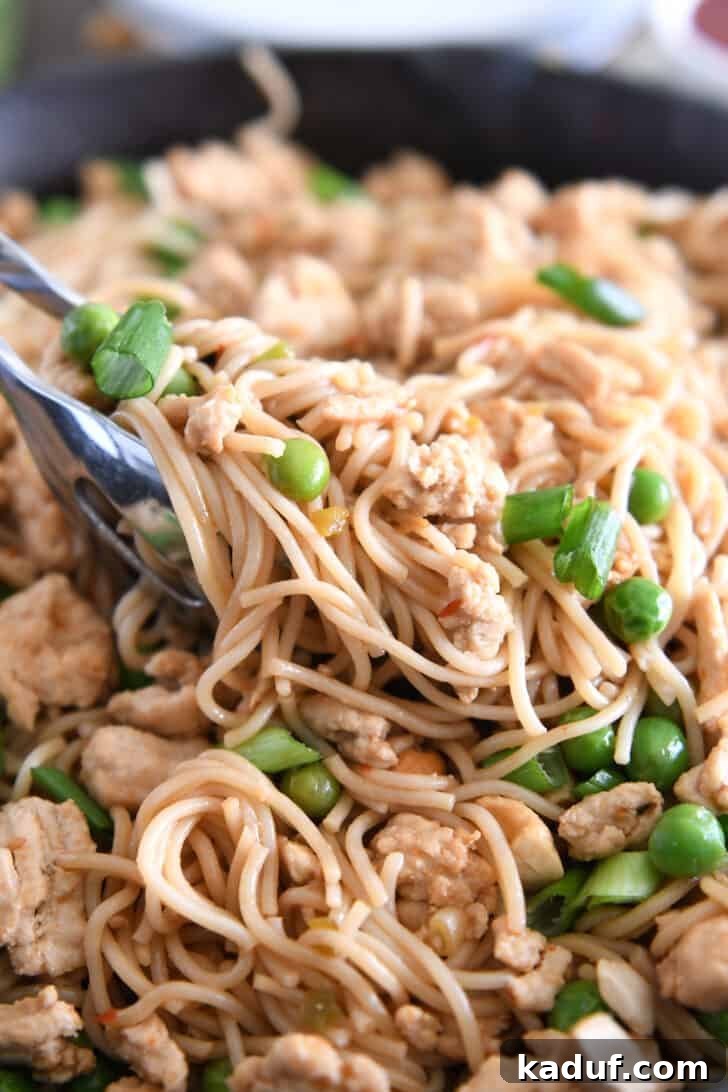
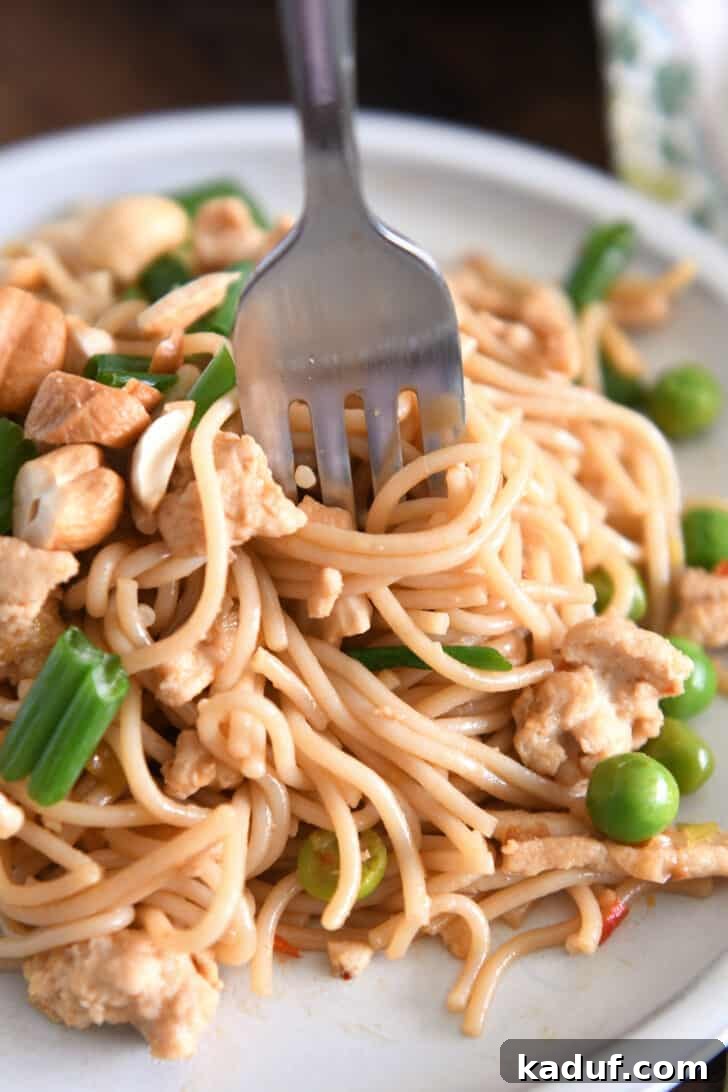
The finished dish is a testament to the fact that simple ingredients, when combined thoughtfully, can create an explosion of flavor. It’s not just the speed at which this meal comes together, or its reliance on pantry-friendly and inexpensive ingredients, that makes it so appealing. It’s the sheer deliciousness packed into every forkful that truly stands out.
Another compelling reason to rave about these noodles is their incredible leftover potential. They taste absolutely amazing the next day! And while opinions may differ on the best way to enjoy them (I’m firmly in the camp of eating them cold straight from the fridge – seriously, cold leftovers are ridiculously good and avoid any risk of microwave-induced dryness), you’ll definitely want to find a way to squirrel away a portion. This ensures you can savor them exactly how you like, all by yourself, without having to share the deliciousness!
One Year Ago: The Very Best Blueberry Muffins
Two Years Ago: Easy Cheesy Weeknight Pasta Bake {Make-Ahead and Freezable}
Three Years Ago: Butterscotch Rice Krispie Treats
Four Years Ago: Buttery Garlic + Herb Pull-Apart Bubble Bread
Five Years Ago: Honey Lime Chicken or Pork Enchiladas
Six Years Ago: Thick and Chewy Chocolate Chip Cookie Bars
Seven Years Ago: French Bread Rolls {Step-by-Step}
Eight Years Ago: Doubletree Hotel Copycat Chocolate Chip Cookies
Nine Years Ago:Chicken Pot Pie Baked Potato
Ten Years Ago: Homemade Marshmallow Easter Eggs
Easy Spicy Garlic Ramen Noodles
Pin
Ingredients
- 2 packages ramen noodles (3-ounces each), seasoning packets discarded (see note)
- ⅓ cup low-sodium soy sauce
- ¼ cup unseasoned rice vinegar
- 2 teaspoons chili garlic sauce (see note)
- 1 teaspoon brown sugar
- 1 teaspoon sesame oil
- 1 tablespoon olive oil
- 1 pound ground chicken or ground turkey
- Salt and pepper
- 1 tablespoon freshly grated ginger (or ginger paste or cubes – see note)
- 4 to 6 cloves garlic, finely minced
- 1 cup frozen peas
- 4 to 6 green onions white and green parts, chopped
- Coarsely chopped cashews or peanuts
Instructions
-
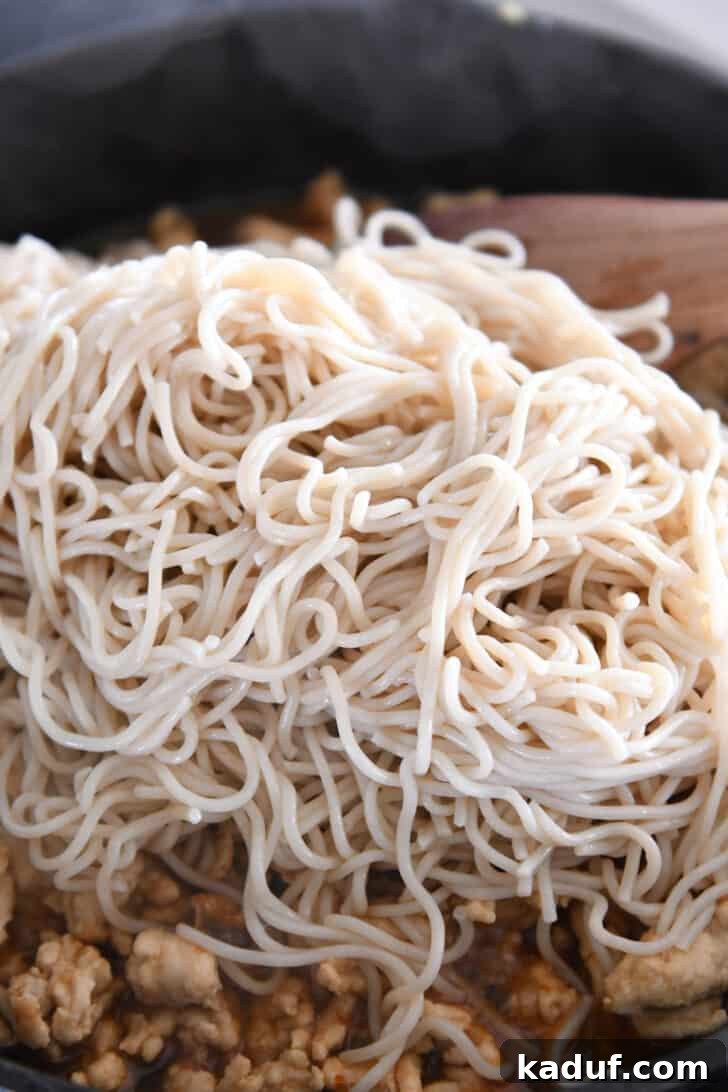
In a medium pot of lightly salted boiling water, cook the ramen noodles until al dente according to package directions. Drain, rinse with cool water, and drain again. Set aside.
-
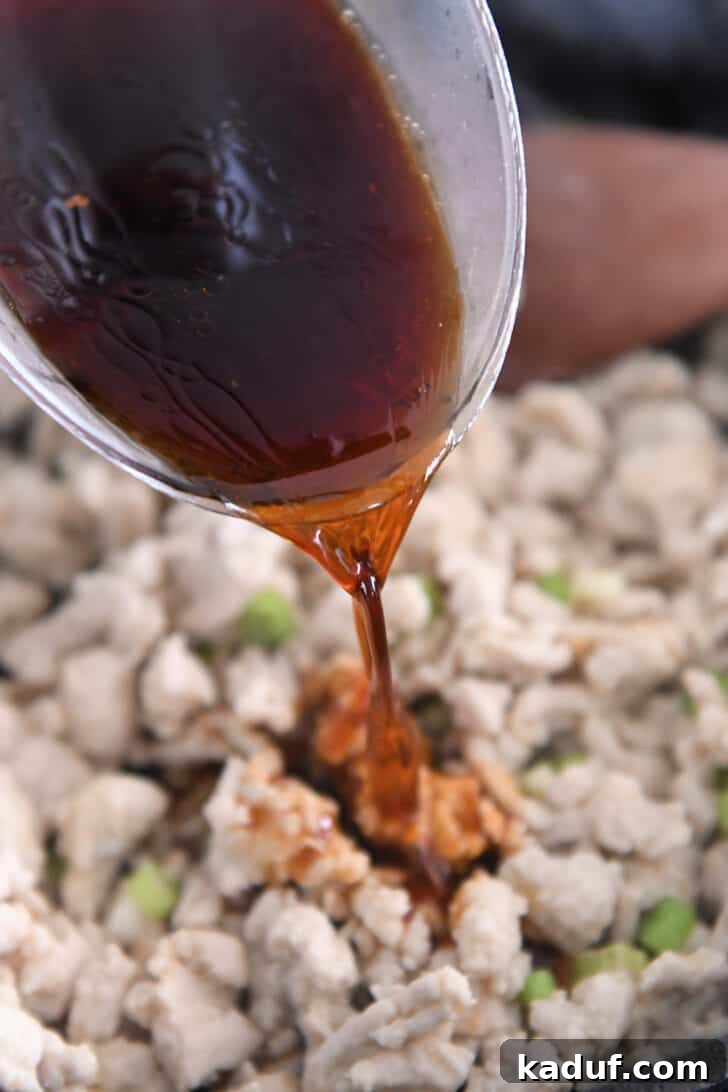
In a small bowl, whisk together the soy sauce, vinegar, chili garlic sauce, brown sugar and sesame oil. Set aside.
-
In a 12-inch nonstick or cast iron skillet, heat the 1 tablespoon olive oil over medium heat and add the ground chicken or turkey. Season lightly with salt and pepper. Cook for a minute or so, breaking the meat into small pieces as it cooks.
-
Add the ginger, garlic, and the white parts of the green onions, and continue to cook, until the meat is no longer pink. Drain excess grease, if needed.
-
Add the drained noodles to the skillet.
-
Whisk the sauce to recombine. Add it to the skillet with the frozen peas. Toss and stir, cooking over medium heat, until the peas are heated through.
-
Sprinkle with green onions and cashews. Serve immediately.
Notes
Chili Garlic Sauce: dial down the chili garlic sauce, to taste, for less kick, if needed.
Ginger: when it comes to ginger, several options work in this recipe. Freshly grated ginger (freeze knobs of ginger and grate, from frozen, on small holes of a box grater – no need to peel). Ginger paste (often found in tubes in refrigerated produce section). Ginger cubes (usually found in freezer section – I also use frozen garlic cubes for the garlic called for in the recipe).
Recommended Products
Recipe Source: inspired by a recipe in Cuisine at Home 2023