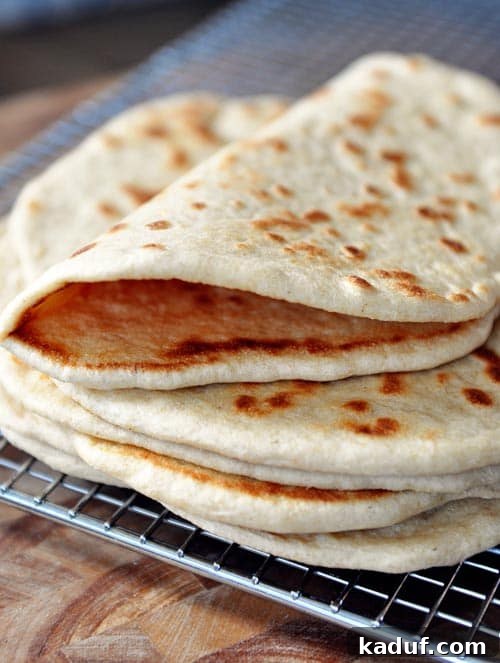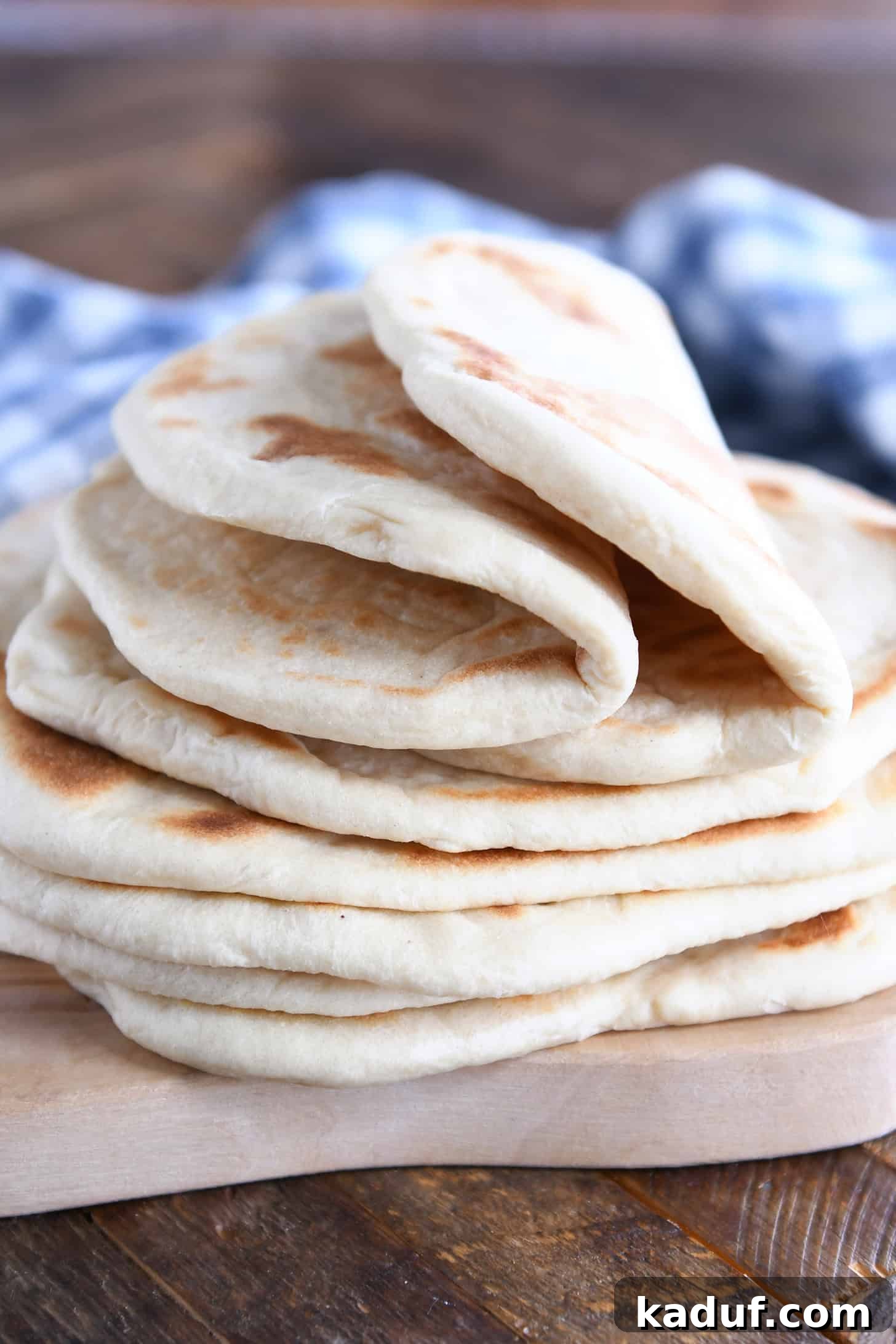
The Ultimate Homemade Flatbread Recipe: Soft, Fluffy, and Easy to Master on Your Skillet
Forget store-bought! This homemade flatbread recipe is incredibly easy to follow, yielding flatbreads that are beautifully soft, wonderfully foldable, and perfect for a myriad of culinary uses. Whether you choose to cook them on a trusty skillet or a versatile griddle, you’ll be amazed at how simple it is to achieve bakery-quality results right in your own kitchen.
There’s a special joy in creating staple foods from scratch, and flatbread is no exception. These delectable discs of dough are not only straightforward to make but also incredibly versatile. Imagine them as the perfect wrap for your favorite sandwiches, a hearty accompaniment to rich curries, or simply adorned with a touch of butter and honey for a delightful snack. Once you experience the unparalleled freshness and texture of homemade flatbread, you might just wonder why you ever settled for anything less.
Crafting the Perfect Soft Flatbread Dough
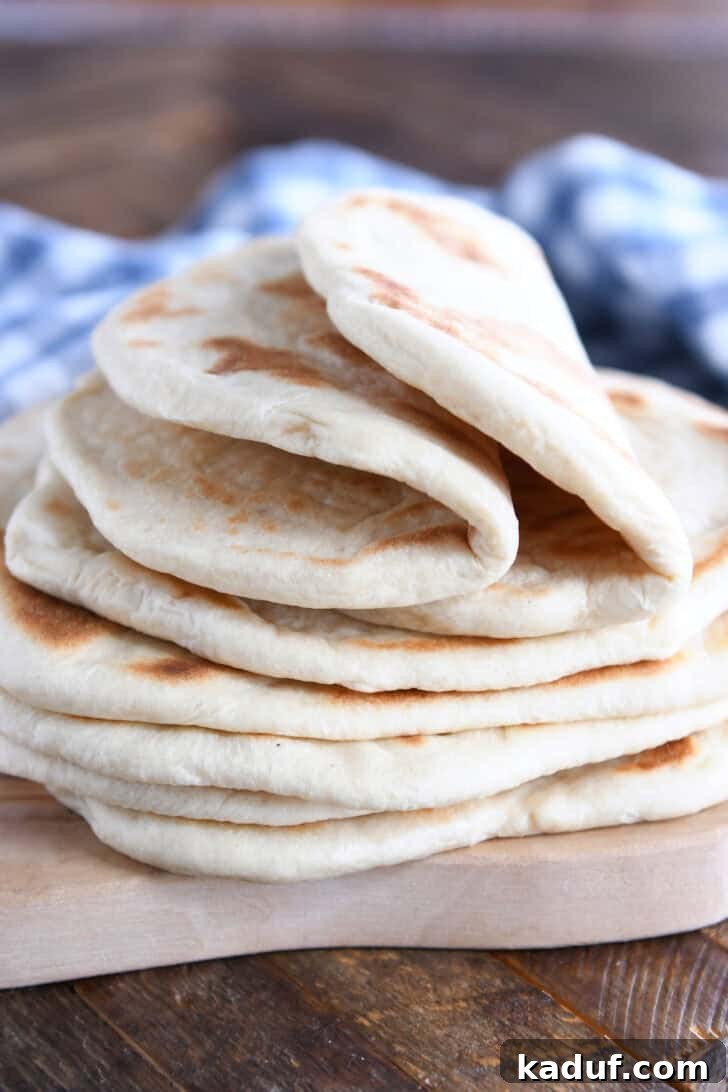
The foundation of truly exceptional flatbread lies in its dough, and thankfully, this recipe boasts a very simple and forgiving dough. While it can certainly be mixed and kneaded by hand, a stand mixer fitted with a dough hook will make the process even more effortless, allowing you to achieve that ideal soft and pliable consistency with minimal effort.
Essential Flatbread Dough Ingredients:
- **Yeast:** The magical leavening agent that gives our flatbread its characteristic rise and soft, airy texture. We recommend instant yeast for its convenience, as it doesn’t require proofing.
- **Sugar:** A small amount of sugar acts as food for the yeast, helping it activate and ensuring a good rise. It also contributes to the beautiful golden-brown color during cooking.
- **Water:** Lukewarm water is crucial for activating the yeast without killing it. Aim for a temperature between 100-105°F (38-40°C).
- **Milk:** Adding milk to the dough contributes to an incredibly tender and rich crumb, making the flatbread softer and more flavorful than water-only recipes. Warm milk, like water, aids in yeast activation.
- **Olive Oil:** Extra-virgin olive oil not only imparts a subtle, delicious flavor but also enriches the dough, making it more pliable and contributing to a superior texture and slight crispness when cooked.
- **Salt:** Essential for flavor, salt balances the sweetness and enhances the overall taste of the flatbread.
- **Bread Flour:** Bread flour, with its higher protein content, develops strong gluten, which is key for a chewy yet tender flatbread that can stretch without tearing.
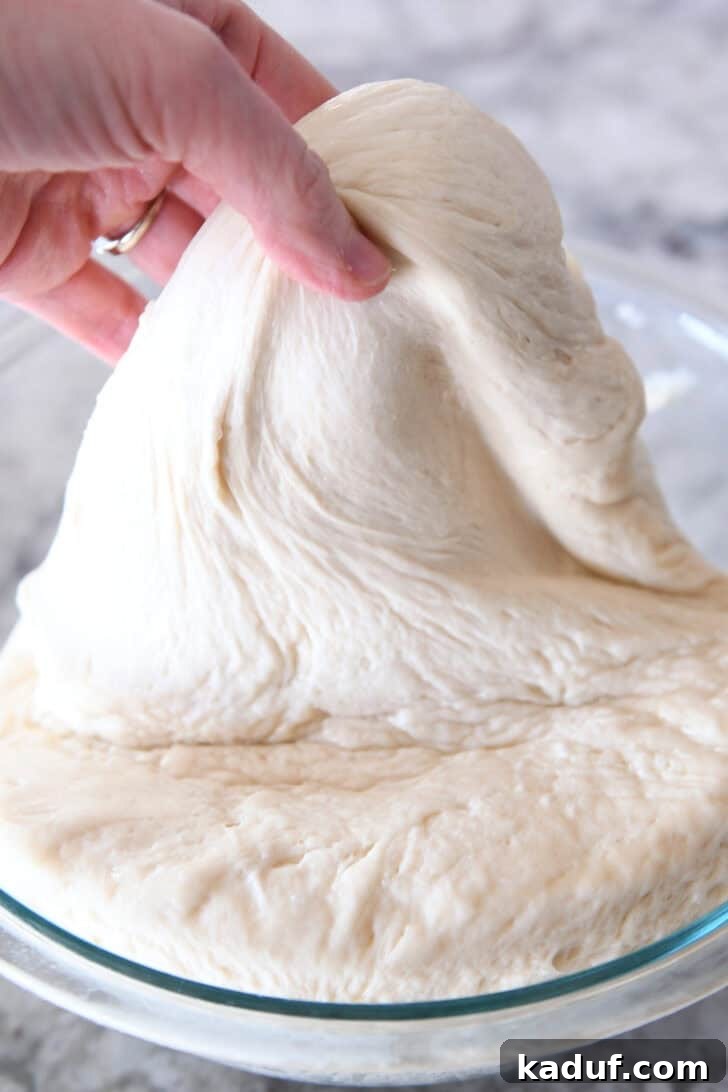
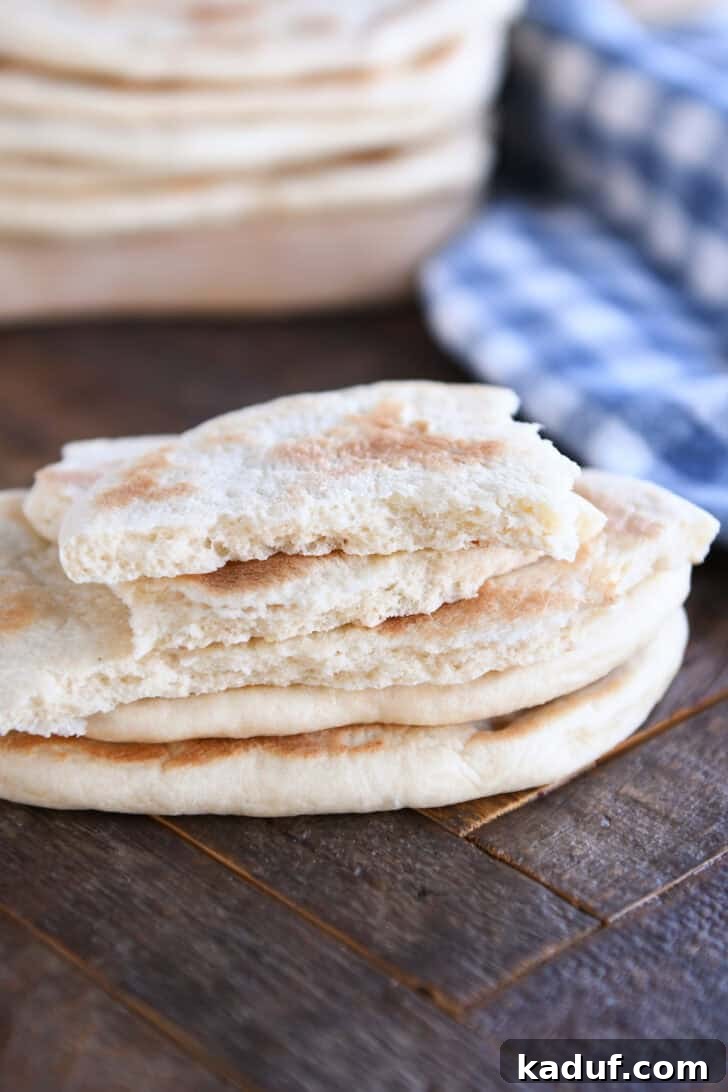
One of the most important tips for success with yeast doughs is to **judge the amount of flour needed by the look and feel of the dough itself**, rather than sticking rigidly to the exact measurement. Humidity, temperature, and even the specific brand of flour can affect absorption. Your dough should be soft, supple, and slightly sticky, but it shouldn’t leave a significant amount of residue on your fingers. It should gently pull away from the sides of your mixing bowl, forming a cohesive, smooth ball.
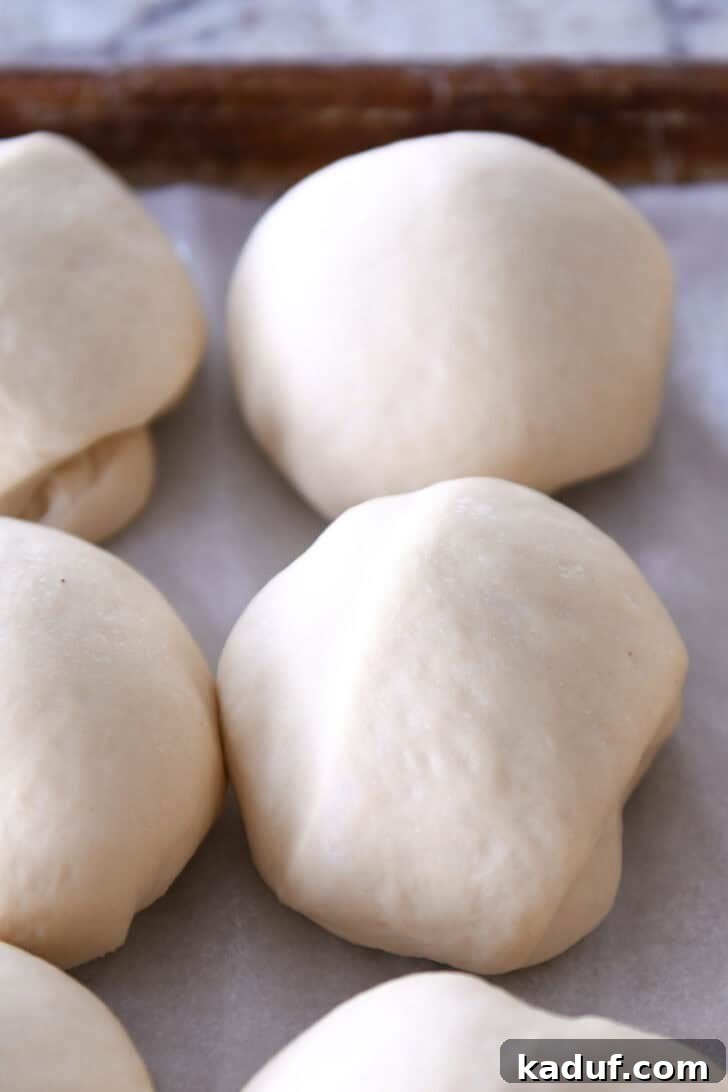
Once your dough has risen beautifully, the next step is to gently divide it into eight equal pieces. Allowing these dough balls to rest until visibly puffy is a critical step. **This resting period serves to relax the gluten that developed during kneading**, making the dough much easier to roll out into thin, even circles without springing back excessively. This ensures your flatbreads achieve that desirable thinness and uniform cook.
Mastering the Art of Cooking Homemade Flatbread
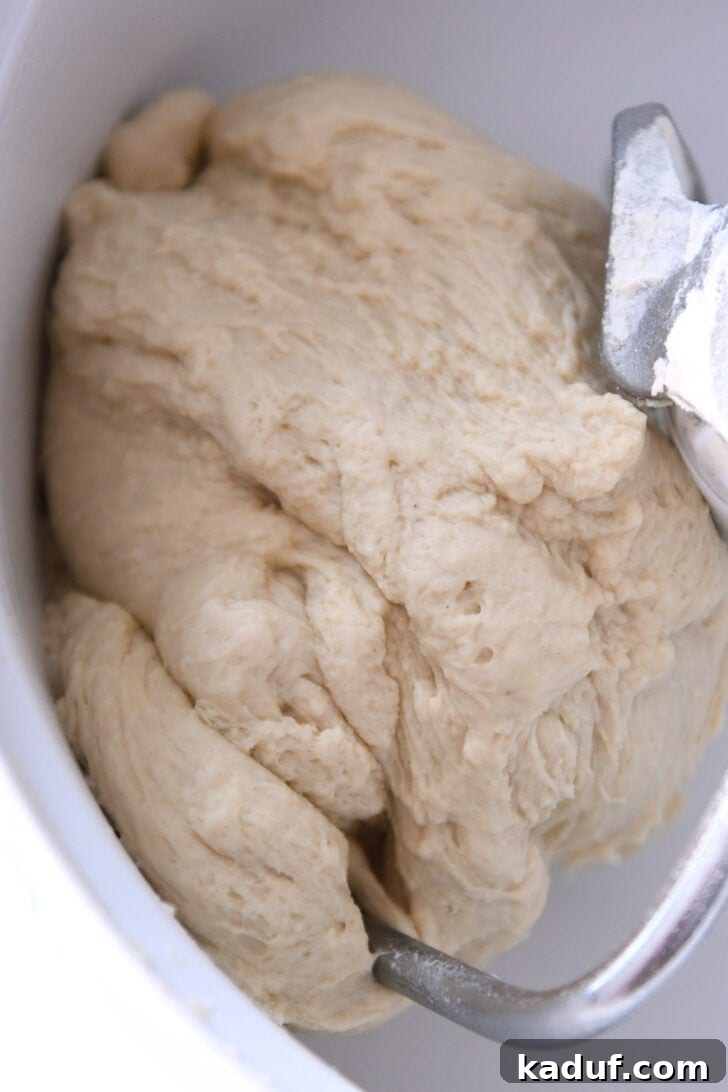
Once your dough has had its ample rest, it’s time for the exciting part: cooking! Precision in rolling and careful attention to heat will yield beautifully puffed, golden flatbreads.
Rolling Out the Dough
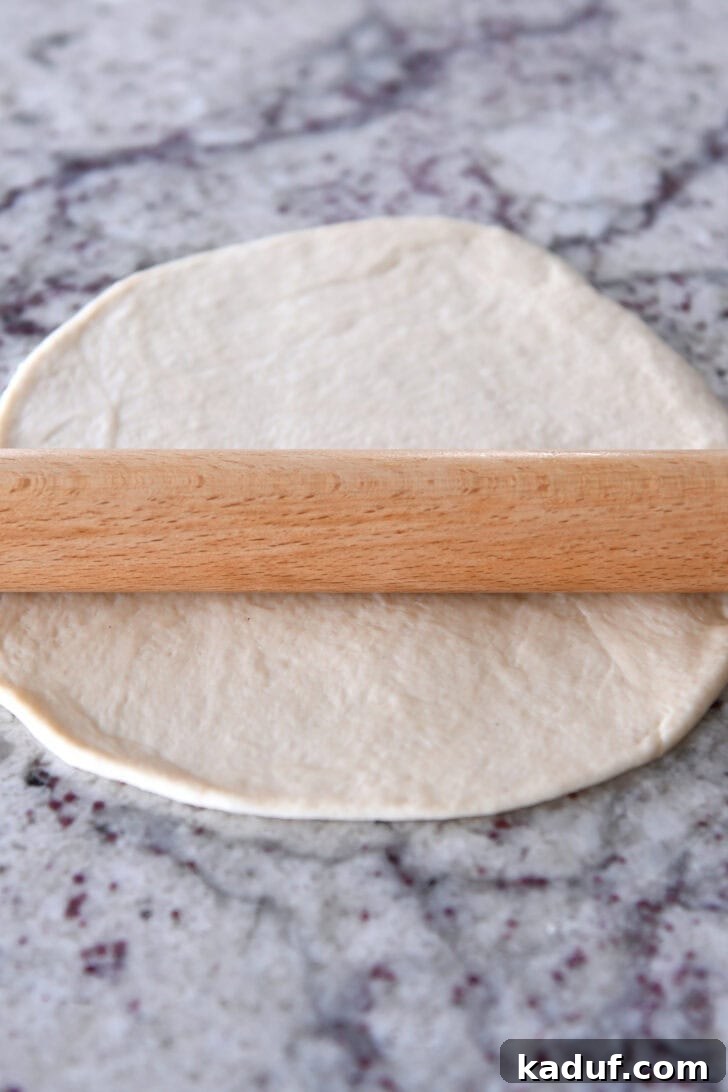
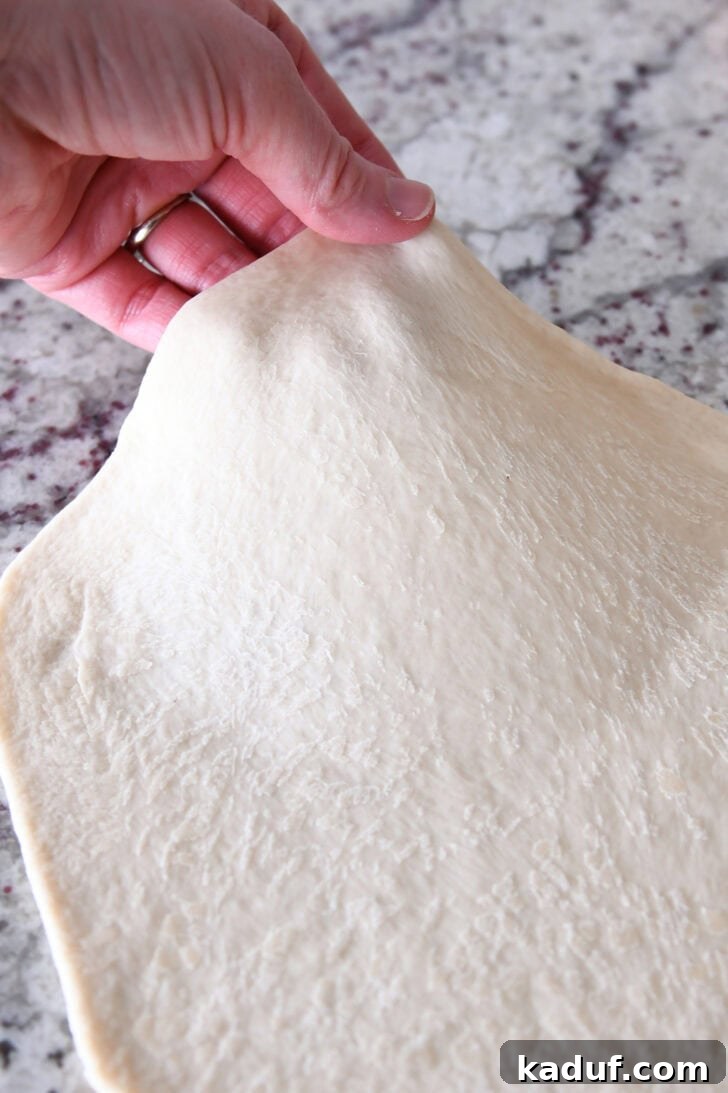
Working with one piece of dough at a time, gently roll each into a circle approximately 7 to 8 inches in diameter and about 1/8-inch thick. The goal is to get them as thin as possible, as the flatbreads will expand and puff up considerably during cooking. A lightly floured or greased surface will prevent sticking. You can also lightly stretch the dough with your fingers, but exercise caution not to overstretch, as this can cause the dough to shrink back to a smaller size when it hits the heat.
Skillet or Griddle: Your Choice for Perfection
These versatile flatbreads can be cooked on an electric griddle or in a cast iron or nonstick skillet set over medium heat on your stovetop. **Using a nonstick surface is highly recommended** to prevent the dough from adhering and tearing. When using a good quality nonstick griddle or skillet, there’s typically no need to add any oil for cooking, allowing the flatbread to cook evenly and develop a lovely spotted exterior.
Cooking Technique and Visual Cues
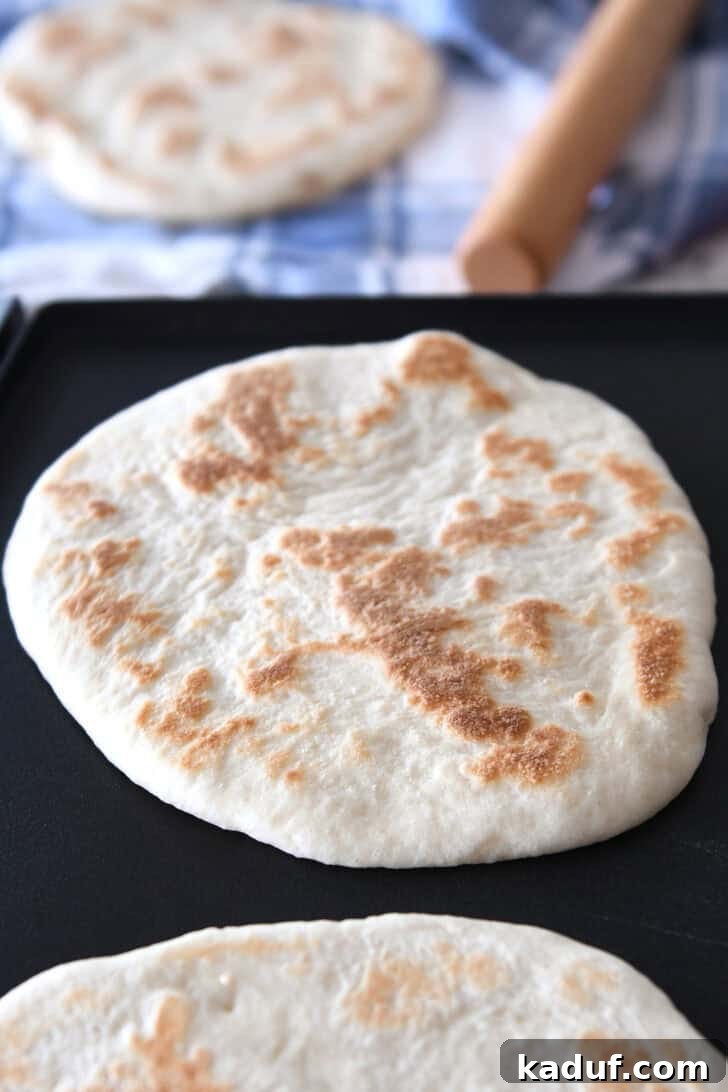
Preheat your griddle or skillet thoroughly over medium heat (around 350°F / 175°C if using an electric griddle). Once hot, place a rolled flatbread onto the cooking surface. Cook for 2 to 3 minutes on the first side. During this time, you’ll observe the dough beginning to bubble and puff up beautifully – a sure sign of success! Once the first side is lightly golden with some darker spots, flip the flatbread and cook for another 1 to 2 minutes until the second side is also golden and spotted. The entire process per flatbread is surprisingly quick.
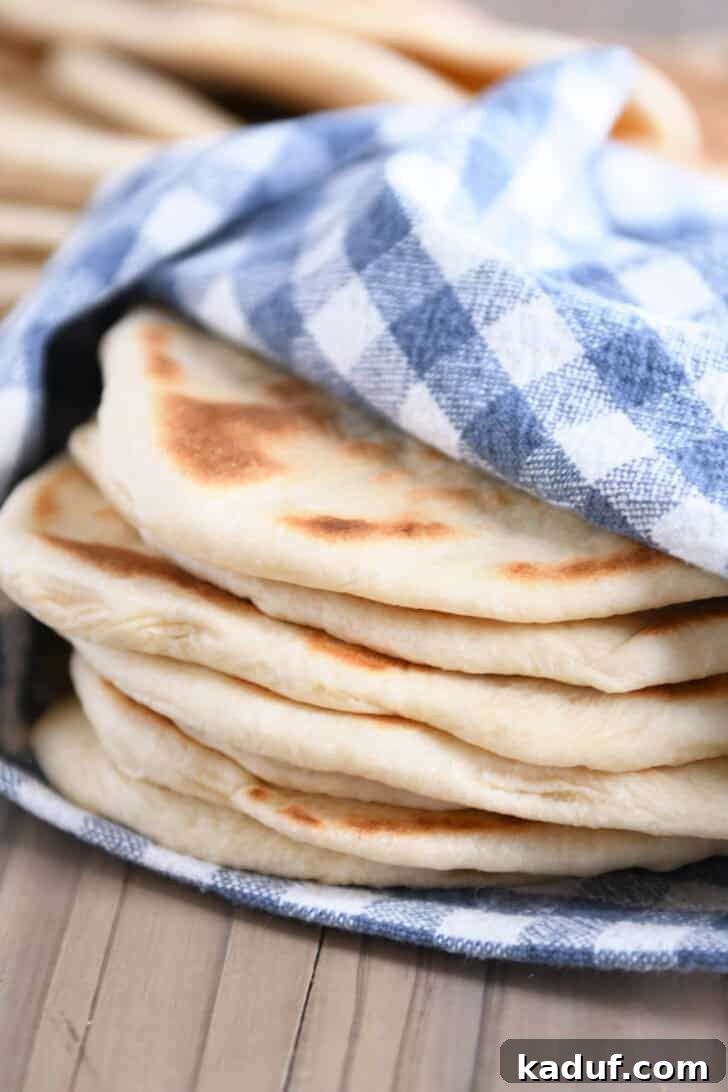
As each flatbread finishes cooking, transfer it to a plate and immediately cover it with a clean kitchen towel. This traps the steam, keeping the flatbreads soft, warm, and pliable. Continue with the remaining dough, stacking the freshly cooked flatbreads as you go. Serve them warm or at room temperature, and prepare to be delighted!
Beyond the Basic: Creative Ways to Enjoy Your Homemade Flatbread
Fresh off the griddle, these warm, soft flatbreads are incredibly delicious on their own, especially with a simple slather of butter and a drizzle of honey. But their versatility truly shines when integrated into more elaborate meals. If you manage to have any leftovers after enjoying that immediate gratification, you’ll find these flatbreads are perfect for a wide range of culinary creations.
Perfect for Wraps, Pizzas, and Sandwiches:
The soft, foldable nature of this homemade flatbread makes it an ideal candidate for wrap-style sandwiches and unique pizza bases. Imagine these as the foundation for:
- Creamy Avocado Veggie Flatbread: A fresh, vibrant vegetarian option.
- Chicken Banh Mi Flatbread: A fusion of Vietnamese flavors in an easy-to-eat format.
- Easy Chicken Gyros: The classic Greek street food, made even better with your own fresh bread.
- Sheet Pan Chicken Tzatziki Wraps: A simple, flavorful weeknight meal.
- Tender Greek Pork: Shredded pork, perfect for stuffing into warm flatbreads.
- Big Fat Greek Tacos: A creative twist on taco night with Mediterranean influences.
An Exquisite Side Dish or Dipper:
Beyond wraps, this flatbread also makes a delectable side dish, perfect for dipping into flavorful sauces, stews, and soups. Its sturdy yet soft texture is ideal for scooping up every last drop of these delicious meals:
- Chicken Curry in a Hurry: A speedy curry that benefits from a fresh bread accompaniment.
- Coconut Shrimp Curry: The richness of this curry is perfectly balanced by plain flatbread.
- Indian Butter Chicken: A quintessential pairing for any Indian-inspired dish.
- Korean Beef Bowls: Use the flatbread to scoop up the savory beef and rice.
- Egg Roll in a Skillet: A unique way to serve this deconstructed dish.
- Thai-Style Green Beans and Turkey: Soak up the aromatic sauces with a piece of warm flatbread.
Why Choose Homemade Flatbread?
In a world of convenience, why bother making flatbread from scratch? The answer lies in the unparalleled freshness, superior taste, and control over ingredients. Store-bought flatbreads, while convenient, often lack the tender texture, subtle flavors, and airy pockets that define truly great flatbread. When you make it yourself, you avoid preservatives and unnecessary additives, ensuring a wholesome and delicious product. Plus, the aroma of fresh baking bread filling your home is an experience in itself!
Storage and Reheating Tips
Should you find yourself with extra flatbreads (a rare occurrence once you taste them!), proper storage is key to maintaining their freshness. Allow them to cool completely before storing in an airtight container or a resealable plastic bag at room temperature for up to 2-3 days. For longer storage, flatbreads freeze exceptionally well. Wrap them tightly in plastic wrap, then place in a freezer-safe bag for up to 2-3 months.
To reheat, sprinkle a little water on the flatbreads and warm them in a dry skillet over medium heat for about 30-60 seconds per side, until soft and pliable. You can also briefly warm them in a microwave (about 15-20 seconds) or a toaster oven until heated through.
Flavorful Flatbread Variations to Try
While this basic flatbread recipe is fantastic on its own, it also serves as an excellent canvas for flavor experimentation. Consider these simple variations to elevate your homemade flatbread:
- **Garlic Herb Flatbread:** Knead in a teaspoon of garlic powder and a tablespoon of finely chopped fresh herbs like parsley, oregano, or rosemary into the dough.
- **Za’atar Flatbread:** Before cooking, brush the rolled-out dough with olive oil and generously sprinkle with za’atar spice blend.
- **Spicy Chili Flatbread:** Add a pinch of red pepper flakes or a teaspoon of smoked paprika to the dough for a subtle kick.
- **Whole Wheat Flatbread:** Substitute a portion of the bread flour with whole wheat flour (start with 1/2 to 1 cup) for a nuttier flavor and added fiber. You may need to adjust liquid slightly as whole wheat absorbs more.
Rave Reviews: 5-Star Flatbread Feedback
With hundreds of glowing 5-star reviews, you can rest assured that this homemade flatbread recipe is a tried-and-true favorite, cherished by many home cooks for its simplicity and delicious results!
⭐️⭐️⭐️⭐️⭐️ “This recipe was simple, the instructions were clear and informative. The dough was soft and well balanced in taste, and created a nice pita pocket. We filled ours with chicken, cucumber, pickled onion, tomatoes, and tzatziki sauce. So good!” -Mariah
⭐️⭐️⭐️⭐️⭐️ “So easy and so delicious!! I’ll never do store bought flatbread again now that I have this recipe in my arsenal. Made pita pizzas with the leftover bread using muhammara and leftover grilled chicken – fantastic!! Thank you for sharing this!” -Lauri
⭐️⭐️⭐️⭐️⭐️ “Made this last night and I was impressed. The dough is a dream to work with and the finished product was exactly what I wanted for the grilled kenbabs I made.” -Mari
⭐️⭐️⭐️⭐️⭐️ “Yes! I’ve been looking for a flat bread recipe like the ones I’ve had Greek gyros in and this is it! Perfect!! Thank you!” -Kathy
Homemade Flatbread
8 flatbreads
1 hr 20 mins
6 mins
1 hr 26 mins
Pin
Ingredients
- 2 teaspoons instant yeast
- 1 teaspoon granulated sugar
- ⅔ cup warm water, 100 to 105 degrees F
- ½ cup warm milk, 100 to 105 degrees F
- 1 tablespoon extra-virgin olive oil
- 1 teaspoon salt
- 3 cups (426 g) bread flour, more or less (see note)
Instructions
-
In the bowl of an electric stand mixer fitted with the dough hook, mix the water, milk, oil, yeast, sugar, salt and 1 cup of the flour until well combined.
-
Add the remaining flour a little at a time until a soft dough is formed. Don’t over flour the dough. It should pull away from the sides of the bowl to form a ball and feel soft to the touch without leaving a lot of dough on your fingers.
-
Knead the dough for 4-5 minutes.
-
Place the dough in a lightly greased bowl and cover with greased plastic wrap. Let rise until doubled, about an hour or so.
-
Divide the dough into 8 equal pieces. Cover with a cloth or plastic wrap and let the dough pieces rest for 10-15 minutes (this helps relax the gluten so they are easier to roll out).
-
Working with one piece at a time on a lightly greased or floured counter, roll the dough into a circle 7 to 8 inches in diameter and about 1/8-inch thick.
-
Heat a griddle to medium (about 350 degrees F) or place a skillet on the stove over medium heat. When the griddle or skillet is hot, cook the flatbread for 2 to 3 minutes until they bubble and puff. Flip and cook on the second side until golden and spotty.
-
Transfer the flatbread to a plate and cover with a clean kitchen towel. Repeat with the remaining dough, stacking the warm flatbreads as they come off the griddle or skillet.
-
Serve warm or at room temperature.
Notes
Flour Amount: Because humidity, temperature, altitude, and a multitude of other factors can impact how much flour you need in your yeast doughs, judge the amount of flour needed by the texture, look, and feel of the dough rather than the exact amount of flour. A perfectly floured dough should be soft, slightly sticky, and pull away from the bowl.
Yeast: To use active dry yeast instead of instant, let the active dry yeast proof in the sugar/water mixture until it is bubbly and foaming before proceeding with adding the other ingredients. This usually takes about 5-10 minutes.
Nutrition Information (per serving)
Serving: 1 flatbread, Calories: 206kcal, Carbohydrates: 36g, Protein: 7g, Fat: 3g, Saturated Fat: 1g, Cholesterol: 2mg, Sodium: 301mg, Fiber: 2g, Sugar: 1g
Recommended Products
Recipe Source: adapted from Jaclyn at Cooking Classy (with reductions in sugar, oil, and salt, adaptation to instant yeast, and refined bread flour amounts and method).
Recipe originally published March 2014; updated February 2025 with new photos, expanded recipe notes, and enhanced instructions.
Conclusion: Your New Kitchen Staple
This homemade flatbread recipe is more than just a set of instructions; it’s an invitation to experience the joy and satisfaction of creating something truly delicious from scratch. With its soft texture, incredible flavor, and endless versatility, these flatbreads are destined to become a staple in your kitchen. From quick weeknight meals to impressive entertaining, homemade flatbread elevates every dish it accompanies. So, gather your ingredients, fire up your skillet, and get ready to enjoy the freshest, most flavorful flatbread you’ve ever tasted!