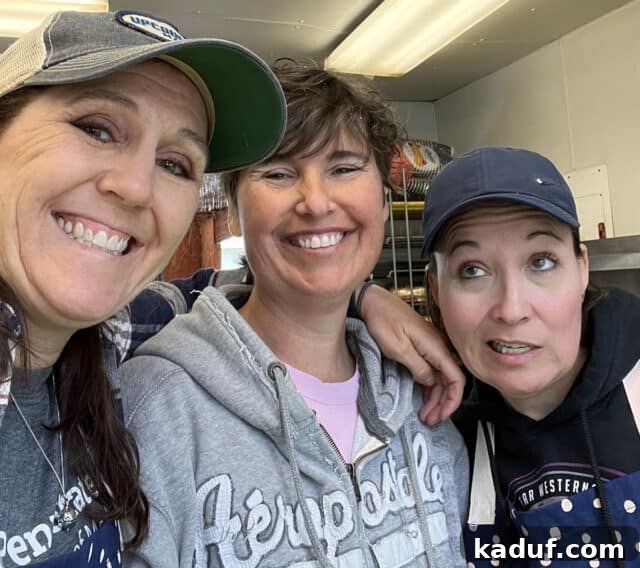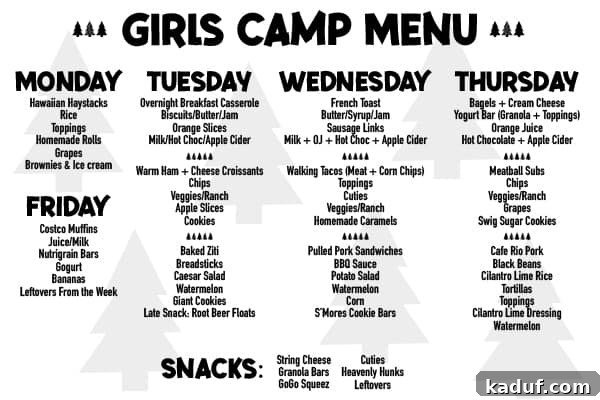
Last year, I embarked on a significant undertaking: organizing all the meals for a substantial church girls’ camp. We were responsible for feeding between 260 to 270 individuals for nearly a full week, an experience that provided invaluable insights. Throughout the process, I meticulously documented every detail, tip, and lesson learned, with the express purpose of sharing this comprehensive guide with you.
When tasked with planning food for youth camps, retreats, or any large group gathering, organizers often face a unique set of constraints and circumstances, which can significantly vary for each event. These crucial factors include:
- Budgetary Limitations: The financial resources allocated for food purchases.
- Group Size: The exact number of attendees, directly impacting quantities and logistics.
- Venue and Available Facilities: The location’s cooking and serving infrastructure, such as access to stoves, refrigerators, reliable power, and kitchen space.
- Dietary Restrictions and Allergies: A critical consideration requiring careful planning to accommodate all participants safely.
- Event Duration: The length of the camp or event, determining the total number of meals needed.
While budgets are undeniably a major factor, their specifics fluctuate so widely that I’ll only touch upon them briefly. Each organization operates under different financial frameworks, making a universal budget guide impractical. Similarly, I recognize the vast spectrum of cooking environments. Some might be managing all meals from coolers over a simple campfire, while others are blessed with a fully-equipped gourmet kitchen and multiple refrigerators – a scenario I admit to being quite envious of! 😉
This comprehensive guide focuses primarily on universal strategies and practical advice that can be adapted to almost any large group cooking scenario. Specifically, you’ll find detailed information on:
- Effective meal preparation techniques and strategies.
- Accurate quantity estimations for various food items.
- Carefully curated and suggested menu plans.
- A list of highly beneficial resources and tools.
- Creative solutions and workarounds for common food allergies.
- And many other invaluable tips gathered from firsthand experience.
My sincere hope is that the information shared here will prove incredibly helpful and applicable, whether you’re coordinating a church camp nestled in the mountains, planning a large family reunion on a sunny beach, or organizing any event that requires feeding a significant number of people efficiently and deliciously.
MY TOP THREE GUIDING PRINCIPLES FOR SUCCESS
Tip #1: Assemble an Exceptional Committee That Will Support You Unconditionally
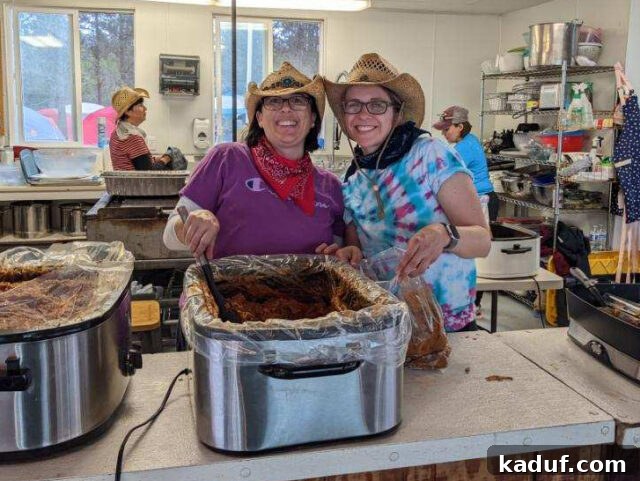
An outstanding committee is the cornerstone of any successful large-scale food operation. I was incredibly fortunate to work alongside six truly remarkable women whose dedication and assistance were absolutely indispensable. Their collective effort and unwavering support were paramount to our success. I can confidently say that I could not have managed this colossal task without them. Should I ever find myself in a similar role again, it would come with the firm stipulation that I would only agree if I could reassemble the exact same committee. (And perhaps, a modest budget increase of $2,000 would be an absolute dream, just putting it out there, thanks!)
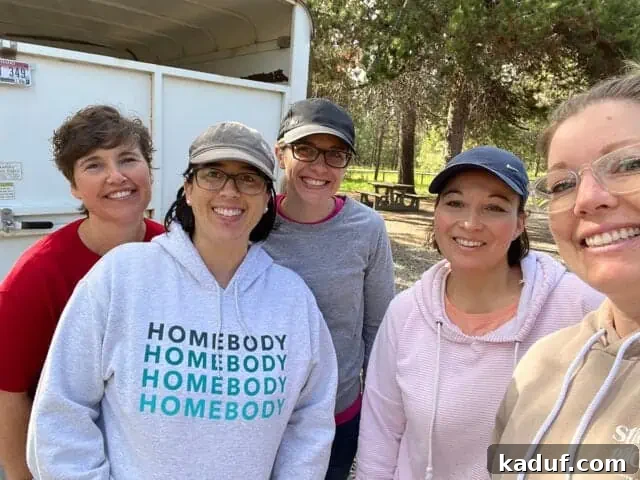
Managing food for a group of this magnitude isn’t merely a week-of undertaking; it demands months of meticulous planning and coordination. Our team officially held two in-person meetings for comprehensive planning, but the bulk of our strategizing and communication occurred efficiently through text messages. This flexible approach allowed us to adapt to everyone’s busy schedules.
Several members of my committee maintained full-time jobs and/or navigated major life events in the months leading up to camp. Their primary contributions included essential brainstorming sessions, handling crucial grocery shopping (especially invaluable in the final days before camp), and providing dedicated hands-on assistance once we were at the camp site. Other committee members, who had more availability in the preceding months, played a vital role in preparing and freezing a significant portion of the food in advance.
During the actual week of camp, every available committee member was “all hands on deck.” Our days began promptly at 5:30 a.m. and didn’t conclude until 9:30 p.m., a testament to their incredible work ethic and commitment.
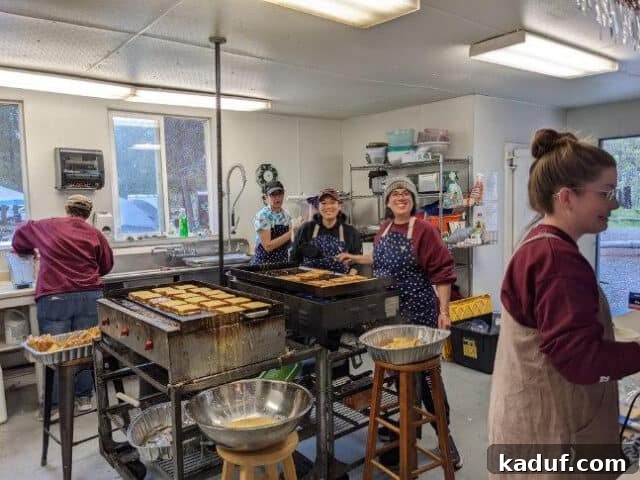
Each evening, before retiring for the night, our committee would review the next day’s schedule in detail, strategically assigning tasks and responsibilities. While everyone naturally pitched in wherever needed, this proactive assignment of duties significantly enhanced our efficiency, optimized our time management, and even allowed for brief, much-needed breaks for each member throughout the demanding days.
Reflecting on the entire experience, the camp operations truly couldn’t have run more smoothly. The fact that my committee was characterized by low drama, high productivity, and a wonderfully fun-loving attitude was an immense blessing. Their positive spirit and collaborative energy transformed what could have been an overwhelming challenge into a genuinely enjoyable and successful endeavor.
The ultimate takeaway: strive to find a committee with whom you can plan meticulously, laugh heartily, work tirelessly, and genuinely still cherish each other’s company long after all the hard work is done! This camaraderie is truly invaluable.
Tip #2: Prioritize and Address Food Allergies with Utmost Care
Addressing food allergies is a crucial step that must precede any menu planning. It is imperative to work diligently with all attendees as early as possible to identify and thoroughly understand any and all dietary restrictions and food allergies that will need to be accommodated. Early identification allows for proactive and integrated planning.
By identifying food allergies at the initial planning stages, we were able to design a menu where many of the main meals were naturally gluten-free and egg-free. This approach minimized the need for extensive modifications. Furthermore, recognizing that several girls had severe peanut and tree nut allergies, we made a deliberate and comprehensive effort to ensure that all meals, snacks, and the entire camp kitchen environment were completely peanut- and nut-free. This commitment to safety was non-negotiable.
For those meals or specific food items that were not inherently gluten- or egg-free, we consistently provided dedicated alternative versions. The strategy of planning our menu *after* gathering comprehensive allergy information proved incredibly effective in streamlining our meal preparations and ensuring everyone had delicious and safe options. This approach helped us avoid last-minute scrambling and ensure inclusion for all.
For most of the baked goods, our primary method for creating gluten-free versions involved a simple 1:1 substitution of gluten-free flour for all-purpose flour. This made the process relatively straightforward and maintained the integrity of many recipes.
The sole exception to our scratch-made gluten-free baked goods was the homemade brownies. For these, I opted to use this specific brownie mix {aff. link}, primarily due to its overwhelmingly positive reviews. I can personally attest, from a discreet taste test, that they were absolutely delicious!
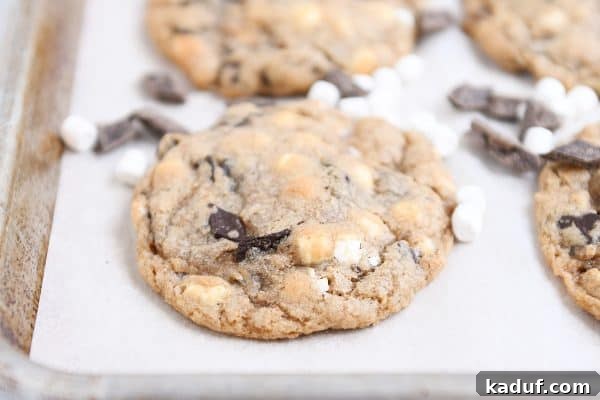
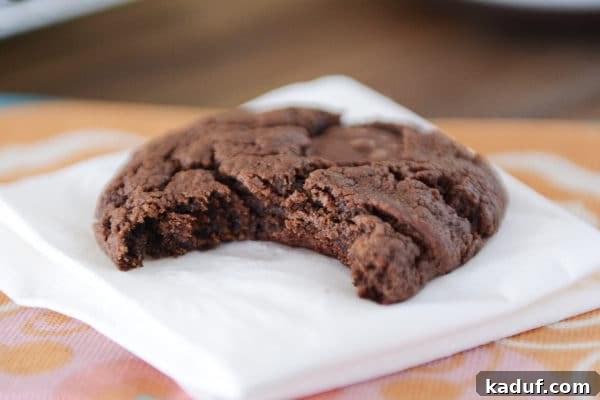
Beyond simply providing alternatives, I engaged in thorough discussions with parents and conducted extensive research on best practices to prevent cross-contamination during both food preparation and cooking at the camp. This included dedicated utensils, cutting boards, and cooking surfaces for allergy-friendly meals. For our egg-free participants who could consume gluten, I prepared several batches of these specific egg-free cookies (classic chocolate chip and double chocolate chip varieties) in advance. These were a delightful and safe treat for them.
For the few attendees who required both gluten-free and egg-free options, I adapted the aforementioned boxed brownies by substituting applesauce for eggs. Additionally, we ensured a supply of Heavenly Hunks {aff. link}, which are naturally GF/EF, as a snack and treat option, alongside specially prepared GF/EF blondie bars.
Tip #3: Maximize Efficiency by Prepping and Freezing Everything Possible
The ability to prepare and freeze meals significantly ahead of time proved to be our committee’s ultimate superpower when faced with the challenge of feeding 260 individuals at girl’s camp. This strategy was a game-changer for managing the immense workload.
Following our initial committee meeting where the menu was finalized, I meticulously crafted a detailed prep calendar spanning from March all the way to the first week of June. Each week on this calendar was assigned a specific food priority, allowing us to tackle tasks systematically and avoid last-minute stress.
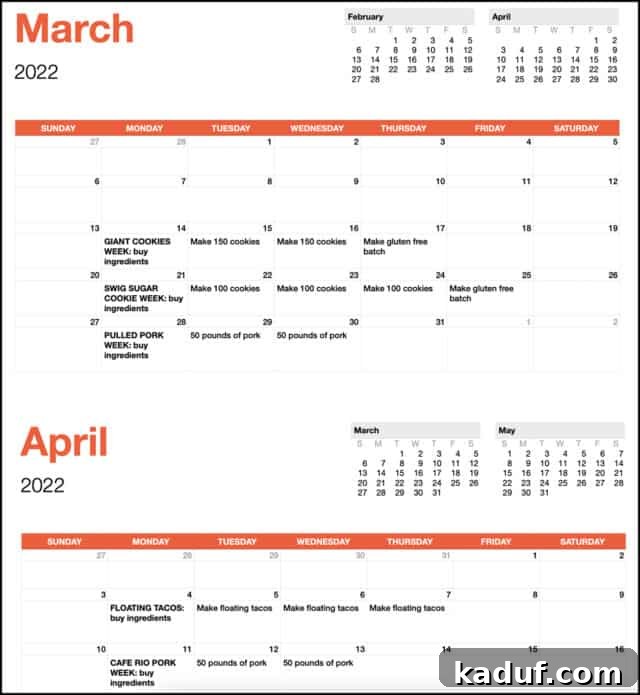
Each week, I would send a text to my committee members, announcing the upcoming focus, for example, “Next week is pulled pork week,” or “It’s cookie week!” This allowed anyone able to contribute to cooking or baking for that specific item to respond, and we would then efficiently divide and conquer the tasks. Typically, I, or one of my dedicated committee members, would handle the grocery shopping on a Monday and then distribute the necessary ingredients to those who had volunteered to help.
I personally took charge of preparing all gluten-free and egg-free desserts and meal adaptations. To prevent any risk of cross-contamination, I designated specific days for these tasks, ensuring I wasn’t simultaneously cooking or baking anything that could compromise the allergen-friendly items.
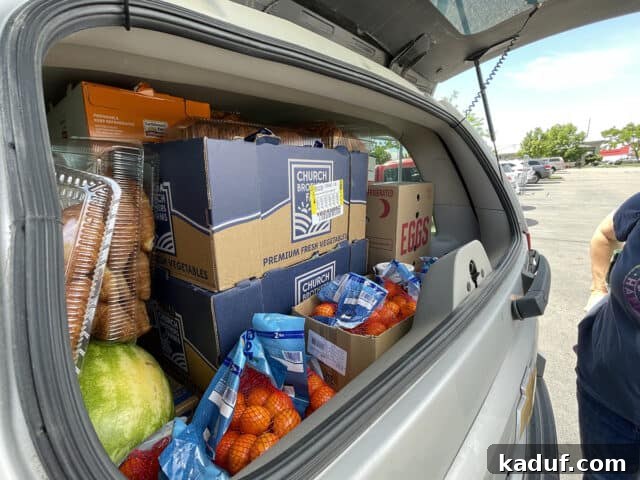
Our general principle was to prepare and cook everything in advance that would freeze effectively. This proactive approach meant we had to transport a considerable volume of frozen food to the camp, which was approximately two hours away. The ingenious benefit of freezing was that we didn’t require traditional coolers for every item. Instead, since most food was packed in freezer bags, we layered them within large plastic totes. This method kept everything perfectly frozen during transit, and upon arrival at camp, they could be slowly thawed in the refrigerators.
Another significant advantage of this extensive pre-preparation and freezing strategy was that it drastically minimized the amount of raw meat handling, prepping, and cooking required once we were actually at the campsite. This not only saved time but also enhanced food safety and hygiene in a rustic camp kitchen environment.
(A major driving force behind our decision to prep so much in advance was the uncertainty surrounding our camp kitchen’s oven. It only became operational the week before camp, and even then, its functionality was questionable. While it *sort of* worked in the end, we were immensely relieved to have cooked almost everything beforehand, mitigating a potentially critical problem!)
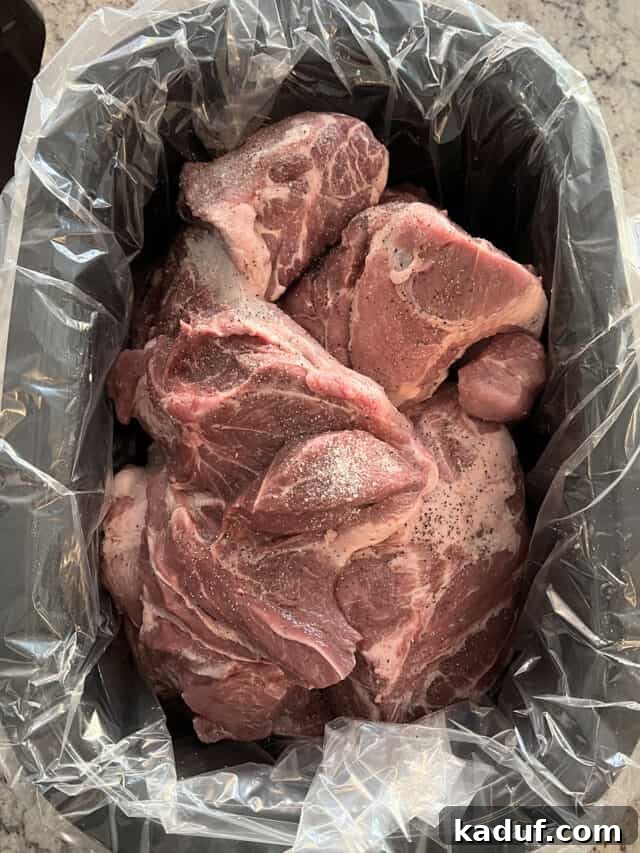
One logistical challenge that arose was the need to secure a significant amount of freezer space in the months leading up to camp. To overcome this, we sent out a community message to several local church congregations. This outreach proved highly successful, as we found a couple of generous individuals who had ample space in their large chest freezers. This collective effort provided more than enough capacity to store all the food we meticulously prepped.
EFFECTIVE AHEAD-OF-TIME PREPARATION STRATEGIES
Our experience revealed several invaluable tips for efficient and stress-free meal preparation, especially when cooking for large groups:
- Meat Preparation: All meats were cooked well in advance using large electric roasting pans and a few trusty slow cookers {aff. links}. This saved immense time and effort at camp.
- Roaster and Slow Cooker Liners: These items were truly revolutionary. The liners for electric roasting pans and liners for slow cookers {aff. links} were critical not only for the initial prep cooking but also for reheating food at camp. They saved countless hours of scrubbing caked-on food from pans and crockpots, dramatically reducing cleanup time. UPDATE: Please note, based on recent feedback (see comment thread below), there have been some concerns about manufacturing changes in these liners, with reports of them melting. Use with caution and monitor closely.
- Large Freezer Bags: For managing the sheer volume of food, these 2-gallon freezer Ziploc bags {aff. link} were incredibly helpful. They allowed us to consolidate larger quantities, minimizing the number of individual bags to use, label, and transport.
- Cookie Storage: All cookies were baked, allowed to cool completely, and then carefully frozen in gallon freezer Ziploc bags and these specific containers {aff. link}. This preserved their freshness and made them easy to thaw and serve.
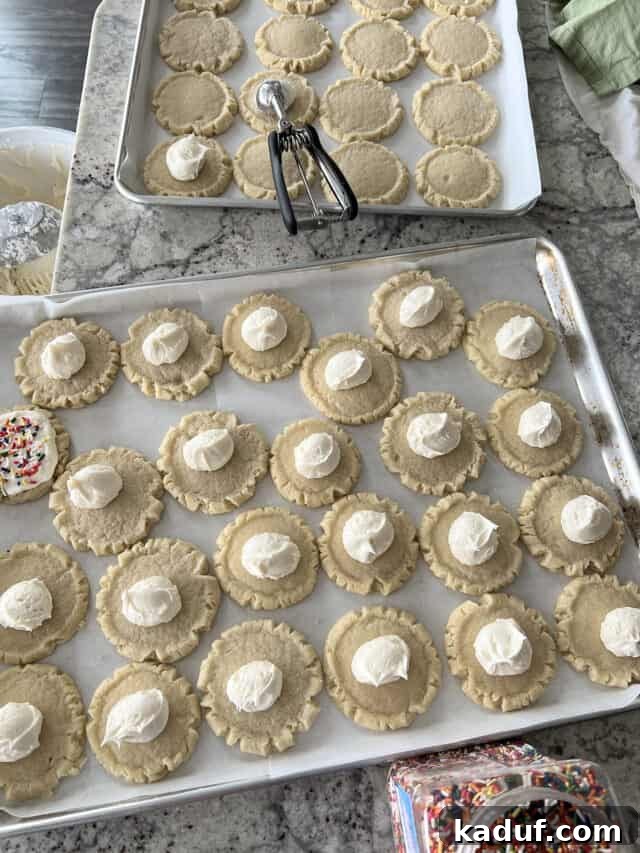
- Frosted Sugar Cookies: Even delicate items like the Swig sugar cookies were baked, frosted, sprinkled, and frozen successfully. They thawed perfectly and were an absolute hit dessert at camp, demonstrating that even decorated treats can be prepped in advance.
THE DETAILED MENU + DOWNLOADABLE PRINTABLES
Below, you will find the exact menu we implemented for our camp. My primary objective when designing this menu was to ensure that each dinner featured at least one genuinely FRESH item (which, in the end, proved to be one of the girls’ favorite aspects, particularly the Caesar salad, fresh cucumbers, and refreshing watermelon). Additionally, I aimed for one FROM-SCRATCH item per dinner to provide that comforting, home-cooked feel amidst the camp environment.
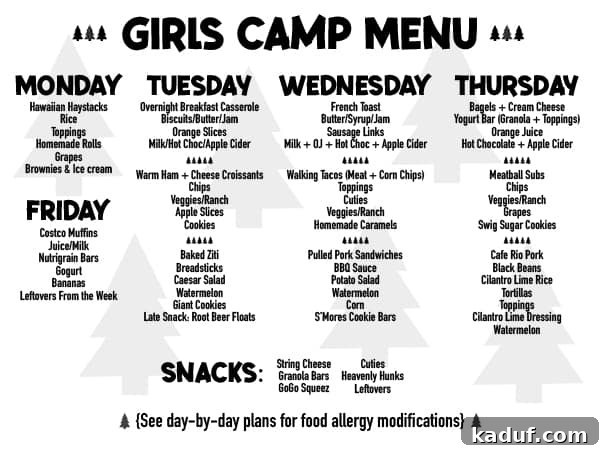
I meticulously saved the menu displayed above as a high-resolution .pdf file in Photoshop. I then had it printed as an inexpensive large black and white engineering print at Staples. This large, easy-to-read menu was prominently displayed in the camp kitchen, alongside our detailed day-by-day schedules, which I will share further below.
Below are comprehensive details for each meal that we proudly served at the camp.
**For a convenient printable/.pdf version of these detailed meal plans with a larger, more readable font, please click here**
(Keep scrolling, as there is a wealth of additional information and invaluable tips following these menu charts.)
Hawaiian Haystacks Dinner (for 60)
| Meal Item | Recipe & Preparation Details | Quantities & Notes | ||
|---|---|---|---|---|
| Hawaiian Haystacks | We utilized this specific recipe, ensuring the entire batch was made gluten-free by substituting cornstarch for flour. This dish was prepared the day before, refrigerated, and then efficiently reheated at camp. | An 8X batch generously fed 60 people. | ||
| Rice | The rice was freshly cooked on-site at camp using a baking method: combine 8 cups of rinsed long-grain white rice with 1.5 tablespoons of salt in a large disposable roasting pan, pour 2.5 quarts of boiling water over it, cover tightly with aluminum foil, and bake at 350°F (175°C) for 45 minutes. Let it rest for 10 minutes before fluffing. | 15 cups of dry long-grain white rice were prepared for 60 people. | ||
| Toppings | Served with a variety of toppings including chow mein noodles, finely chopped tomatoes, sliced olives, canned and drained mandarin oranges and pineapple tidbits, shredded cheese, and a few other popular choices. This meal was a top request from the youth leaders during planning! 😉 | One #10 can each of mandarin oranges and pineapple tidbits was ample. We planned approximately 16 cups of most fresh toppings and 18-20 cups of shredded cheese (targeting 1/4 cup cheese per person). | ||
| Homemade Rolls | We prepared and froze this French bread roll recipe ahead of time. Allergy Friendly Variation: Gluten-free biscuits were provided (refer to “Tuesday Breakfast” for details). |
We planned for two rolls per person, offering a generous serving. | ||
| Grapes | A mix of red and green grapes was served, conveniently cut into small, easy-to-grab bunches. | 3 (4-lb) containers proved sufficient. | ||
| Brownies + Ice Cream | This brownie recipe was made ahead, baked, cooled, cut into squares, and frozen (then thawed before serving for optimal texture). Allergy Friendly Variation: We offered these delicious gluten-free boxed brownies {aff. link} and ensured GF/EF blondie bars were also available. |
Five batches were made, with each 9×13-inch pan yielding 12 servings. We served 7 quarts of vanilla ice cream. |
Tater Tot Breakfast Bake (for 60)
| Meal Item | Recipe & Preparation Details | Quantities & Notes | ||
|---|---|---|---|---|
| Overnight Tater Tot Breakfast Casserole |
We made this recipe and froze it unbaked ahead of time. For efficiency, we assembled double batches into large disposable baking pans instead of numerous 9×13-inch pans. Lesson learned: these large pans required significantly longer thawing and baking times than anticipated. Allergy Friendly: This meal is naturally gluten-free (always verify tater tots and sausage ingredients for gluten); we did not have egg-free dietary needs within this specific group. |
A 7X batch was prepared, effectively feeding 60 people. | ||
| Biscuits Butter/Jam |
A kind church member generously donated fresh biscuits from a local bakery for this morning. We simply reheated and served them with butter and an assortment of jams, which were very well received. Allergy Friendly Variation: I prepared a batch of gluten-free biscuits using this recipe with gluten-free flour, which were baked fresh that morning. |
We planned for two biscuits per person, though one per person would have been sufficient due to the hearty casserole. | ||
| Orange Slices | We utilized one 20-pound box of oranges, anticipating leftovers. These remaining orange slices were then strategically used for an afternoon snack, minimizing waste. | 15-18 sliced oranges were prepared for 60 people. | ||
| Milk Hot Chocolate Apple Cider |
Hot chocolate and apple cider were incredibly popular at camp, so much so that we learned to delay setting them out to ensure girls ate their breakfast! Each night, we boiled water on the stove and poured it into four 5-gallon insulated water coolers, which kept the water perfectly hot until morning. Lesson learned: milk was rarely chosen for breakfast. | We planned for one hot chocolate packet per person per morning and one apple cider packet for every four people per morning. |
Ham + Cheese Croissant Lunch (for 60)
| Meal Item | Recipe & Preparation Details | Quantities & Notes | ||
|---|---|---|---|---|
| Warm Ham + Cheese Croissants | These were assembled on-site at camp using delicious Costco croissants. Each croissant was brushed generously on both sides with a flavorful mixture: 1/2 cup melted butter + 4 tablespoons Dijon mustard + 3 tablespoons honey + 1/4 teaspoon salt + a pinch of pepper (this mixture was scaled 14X). Thinly shaved deli ham and sliced cheddar cheese were added. The assembled croissants were then placed in lined electric roasters, covered with foil and a lid, and heated at 200°F (95°C) for a couple of hours until the cheese was perfectly melted (careful monitoring was needed to prevent corner croissants from burning). Allergy Friendly Variation: A separate version of this sandwich was prepared for those with allergies using gluten-free bread in a sanitized panini press. |
We planned for one croissant per person and cut them in half before serving. Approximately 1/3 of the group opted for only half a sandwich, resulting in some delicious leftovers. | ||
| Chips | We offered individual lunch bag-sized chip varieties from a Costco assortment box. | Only about 2/3 of the group took chips; the extras were served for subsequent lunches and snack times. | ||
| Veggies + Ranch |
A fresh selection of cucumbers, grape tomatoes, carrots, and celery was available. Cucumbers and grape tomatoes were overwhelmingly popular, while celery was hardly chosen. Ranch dressing was served in two large bowls with small ladles for easy access. | 12-15 sliced English cucumbers; 3 (2-lb) containers of grape tomatoes; 4 (2-lb) bags of baby carrots. Two (1-gallon) jugs of ranch lasted for three lunches. | ||
| Apple Slices | Apples were cored, sliced, and presented on large serving trays for convenience. | 24 medium apples were prepared for 60 people. | ||
| Cookies | One of our talented committee members baked delicious chocolate chip oatmeal cookies (which were baked, frozen, and then thawed). Allergy Friendly Variation: A variety of GF/EF cookie options were available (refer to Tip #2 in the post for specifics). |
We planned for one cookie per person. |
Baked Ziti Dinner (for 260-270)
| Meal Item | Recipe & Preparation Details | Quantities & Notes | ||
|---|---|---|---|---|
| Baked Ziti | This evolved into a fantastic, lazy pasta bake using this simplified recipe. Our initial plan was to assemble and freeze this ahead, but the sheer volume requiring astronomical freezer and camp fridge space led to a committee member suggesting we prepare it fresh between lunch and dinner. Although it meant an intensely busy period (boiling pasta, simmering sauce, assembling, and baking), it proved to be a successful strategy. Allergy Friendly Variation: In a separate, dedicated pot, we boiled gluten-free/egg-free noodles and prepared a distinct GF/EF batch of the pasta bake. |
A 17X batch of the recipe was needed to feed 260 people comfortably. | ||
| Breadsticks | A local bread outlet (Franz) provided us with a generous discount on most of our bread products, including Seattle International brown ‘n serve breadsticks. We brushed them with olive oil and Johnny’s garlic spread seasoning, then heated them on the camp kitchen griddles. Allergy Friendly Variation: Trader Joe’s gluten-free toasted English muffins were offered as an alternative. |
We planned for two breadsticks per person. However, we could have managed with one per person as consumption varied (some took two, others none). | ||
| Caesar Salad |
We utilized the convenient Caesar salad packets from Costco. This fresh and crisp salad was a HUGE hit with the girls. | Approximately 22 bags were used for about 250 people, with each bag typically serving about 12. | ||
| Watermelon | The watermelon was expertly cut into easy-to-eat sticks and served in large stainless steel serving bowls. | 4-5 large watermelons were sufficient to serve 260 people. | ||
| Giant Cookies |
We made these blended oatmeal chocolate chip cookies in a bakery-style, larger than normal (using two #40 scoops per cookie). Allergy Friendly Variation: A dedicated gluten-free batch was made (using gluten-free flour and oats), and Heavenly Hunks were also available for a GF/EF option. |
We planned for one large cookie per person and served any extras during snack times. Total 270 cookies. | ||
| Root Beer Floats (Late Night Snack) |
This popular treat was specifically requested by the camp leaders. One committee member made a special trip to a small town 45 minutes away to purchase the ice cream, as we lacked on-site freezer space for such a large quantity. | 10 gallons of vanilla ice cream; 16 liters of root beer (for approximately 200 servings). |
French Toast Breakfast (for 260-270)
| Meal Item | Recipe & Preparation Details | Quantities & Notes | ||
|---|---|---|---|---|
| French Toast | We used Texas Toast bread (generously donated/discounted from a local Franz bakery outlet). The dipping mixture consisted of whisked milk and eggs. French Toast was cooked on two large griddles in the camp kitchen and kept warm in large roasting pans covered with foil in the oven. Allergy Friendly Variations: Gluten-free bread was used (cooked in a separate, sanitized skillet), and a store-bought vegan egg substitute was used for egg-free girls (also cooked in a separate skillet). |
400 slices of French Toast (approximately 25 loaves) were prepared for about 260 people. This required about 16 dozen eggs and 3-4 gallons of milk for the batter. | ||
| Scrambled Eggs |
Scrambled eggs were added to provide a heartier breakfast option, complementing the French Toast. | We scrambled 28 dozen eggs, yielding approximately 175 servings. | ||
| Butter Syrup Jam |
Tubs of spreadable butter were provided. Syrup was significantly more popular than jam, but even then, we used far less syrup than initially estimated. | Two large tubs of spreadable butter; 1.5 (64-ounce) jugs of syrup. | ||
| Sausage Links |
These were heated efficiently in the oven using disposable aluminum pans. We purchased turkey sausage links from Costco. While we planned for two links per person, we had a considerable amount leftover. Allergy-Friendly Variations: We specifically sourced sausage that was both egg- and gluten-free to accommodate dietary needs. |
1 – 1.5 sausage links per person proved to be a more accurate serving estimate. | ||
| Milk OJ Hot Choc Apple Cider |
As observed and noted under “Tuesday Morning – Breakfast,” very few people opted for milk or orange juice with their breakfast. The overwhelming preference was for hot chocolate and apple cider, which remained highly popular throughout the camp. | We planned for one hot chocolate packet per person per morning and one apple cider packet for every four people per morning, reflecting their popularity. |
Walking Tacos Lunch (for 260-270)
| Meal Item | Recipe & Preparation Details | Quantities & Notes | ||
|---|---|---|---|---|
| Walking Tacos |
We used this specific recipe, chosen intentionally because the addition of rice helped to extend the ground beef and made the meal substantially heartier, ensuring everyone felt satisfied. Allergy Friendly Variation: This particular recipe is naturally gluten-free, simplifying preparations for those with gluten sensitivities. |
A 22X batch of the recipe was required to serve 260-270 people adequately. | ||
| Corn Chips | Individual 2-ounce bags of corn chips were purchased (we found these online, as 1-ounce bags were more common). Some girls enjoyed piling the filling and toppings directly into the bag, while others preferred to empty the chips onto a plate and load them up that way. | We planned for one bag of chips per person. | ||
| Toppings | A vibrant array of toppings included shredded lettuce, sour cream, shredded cheese, salsa, sliced olives, and freshly chopped tomatoes. | 7 Costco packs of romaine (each with six romaine hearts); 1 (64-ounce) jar of salsa; 5 (2.5-lb) bags of Mexican shredded cheese; 2 #10 cans of sliced olives; 4 (3-lb) tubs of sour cream; approximately 30 cups of chopped tomatoes (from about 30 medium tomatoes). | ||
| Cuties (Oranges) |
In hindsight, a separate fruit side dish for this meal proved unnecessary. Very few people chose a clementine cutie with their walking tacos. | We planned for one cutie per person. The uneaten cuties were repurposed and served as a snack later. | ||
| Veggies + Ranch |
A healthy selection of cucumbers, grape tomatoes, carrots, and celery was available. Once again, cucumbers and grape tomatoes were the clear favorites, with hardly any celery consumed. Ranch dressing was served in two large bowls with ladles. | 12-15 sliced English cucumbers; 3 (2-lb) containers of grape tomatoes; 4 (2-lb) bags of baby carrots. Two (1-gallon) jugs of ranch lasted for three lunches. | ||
| Homemade Caramels |
We made these delightful caramels using this recipe two weeks in advance. They were stored perfectly in tightly covered containers at a cool room temperature until serving. Allergy Friendly Variation: These caramels are inherently gluten- and egg-free, making them a safe treat for many. |
We planned for about two caramels per person. This involved making five double batches, equating to five 9×13-inch pans of caramels. |
Pulled Pork Sandwich Dinner (for 260 -270)
| Meal Item | Recipe & Preparation Details | Quantities & Notes | ||
|---|---|---|---|---|
| Pulled Pork Sandwiches |
We prepared this pork recipe in advance, cooking large quantities in electric roasters. The pork was then shredded and frozen without the BBQ sauce. Costco’s brioche buns were used, which are quite large; smaller buns would have been equally suitable. Allergy Friendly Variations: Gluten-free hamburger buns from Trader Joe’s were provided as an alternative. |
We cooked 80 pounds of boneless pork shoulder to serve 270 people (calculated at 1/3 pound raw meat per person). One bun was allocated per person. | ||
| BBQ Sauce | The BBQ sauce was served separately, allowing individuals to customize their sandwiches to their preferred taste. | 5 gallons of BBQ sauce were provided. | ||
| Potato Salad |
We purchased prepared potato salad, scooping and serving it in large bowls. Approximately half of the group opted for a serving of potato salad, which aligned with our prior estimations. | 8 (3-lb) tubs of potato salad were used for 130-140 servings. | ||
| Watermelon | The watermelon was cut into convenient sticks and served in large stainless steel bowls, offering a refreshing side. | 4-5 large watermelons were sufficient to serve 260 people. | ||
| Corn | This corn preparation was arguably the favorite component of this dinner, receiving numerous rave reviews. We mixed a variety of white and yellow frozen corn in large disposable aluminum pans with 1/4 cup sugar and 2 tablespoons butter for every 5 pounds of corn. Covered with foil, it was heated in the oven at 350°F (175°C) just until warmed through (avoiding overcooking or boiling). Before serving, it was stirred well and finished with a good sprinkle of salt. | 8 (5-lb) bags of frozen corn (a mix of white and yellow varieties) were used. | ||
| S’Mores Cookie Bars |
We adapted this cookie recipe into bar form by tripling the batch and dividing it between two half-sheet pans (baked for approximately 25 minutes). These were then cut into squares (24 servings per sheet pan), frozen in Ziploc bags, and thawed before serving. Allergy Friendly Variation: We offered leftover gluten-free cookies from Tuesday (still fresh in the fridge) and these egg-free cookies. Heavenly Hunks were also available for a GF/EF option. |
A total of 12 sheet pans of bars were made (four triple batches). |
Bagel Cream Cheese + Yogurt Breakfast (for 260-270)
| Meal Item | Recipe & Preparation Details | Quantities & Notes | ||
|---|---|---|---|---|
| Bagels | We served both plain and blueberry bagels (purchased at a significant discount from our local Franz bakery outlet). These were served untoasted and unheated. Allergy Friendly Variation: Gluten-free bagels from Trader Joe’s were available for those with dietary needs. |
30 (6-count) bags of bagels were provided. Plain bagels were generally preferred. | ||
| Cream Cheese |
A variety of plain and flavored WHIPPED cream cheeses were offered. Serving whipped cream cheese is crucial for easy spreading, especially when eating outdoors on a chilly morning with cold cream cheese. Flavored cream cheeses (strawberry and blueberry) were significantly more popular than plain. | 20 cups of whipped cream cheese were provided. | ||
| Yogurt | We served vanilla, strawberry, and peach yogurt. In retrospect, offering only vanilla would have been more efficient, especially given the popularity of various toppings (the vanilla yogurt was the first to run out). | 1500 ounces of yogurt were provided. | ||
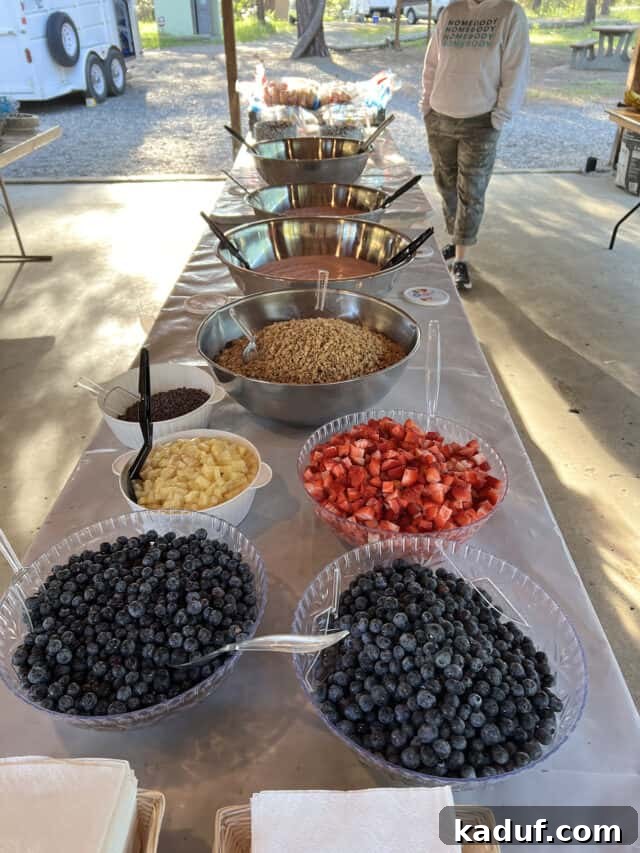
| Granola + Toppings | Honey oat granola (purchased in bulk from US Foods) was served. Its piecey, non-clumpy texture was ideal for yogurt parfaits and allowed it to stretch further than cluster-style granola. Fresh blueberries, sliced bananas, and chopped strawberries were available. Strawberries were much more popular than blueberries, and bananas were hardly chosen. The most popular topping by far was mini chocolate chips! Allergy Friendly Variation: Gluten-free granola was available. All granola offered was guaranteed nut-free. |
10 pounds of granola; 40 pounds of chopped strawberries; 5 pounds of blueberries; 15-18 cups of mini chocolate chips. | ||
| OJ + Hot Choc + Apple Cider |
As noted previously under “Tuesday Morning – Breakfast,” very few individuals opted for milk or orange juice for breakfast. Hot chocolate and apple cider remained the preferred beverage choices among the campers. | We planned for one hot chocolate packet per person per morning and one apple cider packet for every four people per morning to meet demand. |
Meatball Subs Lunch (for 260-270)
| Meal Item | Recipe & Preparation Details | Quantities & Notes | ||
|---|---|---|---|---|
| Meatball Subs | We heated store-bought frozen meatballs in marinara sauce within large electric roasters. These were served on sturdy hoagie buns – a robust bun is absolutely essential for this meal. Assembly involved sprinkling mozzarella cheese on the bun FIRST (to ensure it melted nicely), followed by 4 meatballs and sauce. This was one of the most popular meals, universally loved by the girls! Notably, this was the ONLY meal where we dished up the food for the girls ourselves, which was highly efficient (using two serving lines) and proved to be an excellent decision in hindsight. Allergy Friendly Variation: We prepared a separate batch of GF/EF meatballs and froze them for camp. These were heated in sauce separately from the main batch and served on GF hot dog buns from Trader Joe’s. |
6 (6-lb) bags of frozen meatballs; 16 #10 cans of marinara sauce (Roseli brand); 8 (2-lb) bags of shredded mozzarella cheese. | ||
| Chips | Individual lunch bag-sized chip varieties from a Costco assortment box were offered. | Only about 2/3 of the group took chips; the remaining were served for snack time. | ||
| Veggies + Ranch | A selection of cucumbers, grape tomatoes, carrots, and celery was available. Cucumbers and grape tomatoes were again the most popular choices, with very little celery consumed. Ranch dressing was served in two large bowls with small ladles. | 12-15 sliced English cucumbers; 3 (2-lb) containers of grape tomatoes; 4 (2-lb) bags of baby carrots. Two (1-gallon) jugs of ranch lasted for three lunches. | ||
| Grapes | Both red and green grapes were served, cut into small, manageable bunches. | 15 (3-lb) containers were provided. | ||
| Swig Sugar Cookies | We used this recipe for Swig sugar cookies (using baking powder instead of cream of tartar). These cookies freeze exceptionally well, even when frosted and sprinkled. The process involved baking them, frosting, adding sprinkles, then placing them in a single layer on a baking sheet to freeze. Once frozen, they were transferred to Ziploc bags (parchment or wax paper between layers allowed for double-stacking) and refrozen. Allergy Friendly Variation: A dedicated gluten-free batch was made using a 1:1 substitution of gluten-free flour in the recipe. Egg-free cookies (this recipe) were also offered. Heavenly Hunks were available as a GF/EF option. |
250 regular cookies were made; 1 dozen GF cookies. |
Cafe Rio Meal (for 325)
*had extra visitors/leaders this night*
| Meal Item | Recipe & Preparation Details | Quantities & Notes | ||
|---|---|---|---|---|
| Cafe Rio Pork | We prepared this specific pork recipe in advance, cooking large quantities in electric roasters. The pork was then shredded and frozen without the finishing sauce and spice mixture. Both the sauce ingredients and spice mixture were transported to camp and combined with the pork for reheating in electric roasters, ensuring fresh flavor. Allergy Friendly Variations: All ingredients used for the pork were carefully selected to be gluten-free. |
We cooked 98-100 pounds of boneless pork shoulder to serve 325 people (calculated at 1/3 pound raw meat per person). | ||
| Black Beans | Black beans were heated with store-bought salsa in electric roasters, creating a flavorful and easy side dish. | 5 #10 cans of drained black beans; 2 (64-ounce) jugs of salsa. | ||
| Cilantro Lime Rice | For convenience and quality, we “cheated” a little here and purchased pre-made cilantro lime rice from Costa Vida, using the savings from discounted/donated bread. Someone kindly brought the rice up to us mid-week. The bags of rice were boiled in water until hot and kept warm in electric roasters for serving. | 50 pounds of rice were used. | ||
| Tortillas | We planned for 275 tortillas for a group of 325, which proved to be an appropriate quantity. Allergy Friendly Variation: Gluten-free tortillas were readily available as an option. |
275 flour tortillas; 12 GF tortillas. | ||
| Toppings | A fresh selection of lettuce, sour cream, shredded cheese, salsa, sliced olives, chopped tomatoes, and guacamole was provided. We used slightly fewer toppings for this meal compared to the walking tacos, as the main dish was very hearty. | 5 Costco packs of romaine (each containing six romaine hearts); 1 (64-ounce) jar of salsa; 4 (2.5-lb) bags of Mexican shredded cheese; 2 #10 cans of sliced olives; 3 (3-lb) tubs of sour cream; 20 cups of chopped tomatoes; 4 Costco packs of guacamole. | ||
| Cilantro Lime Dressing | A dedicated committee member prepared all the cilantro lime dressing using this recipe. She brought it up to camp on the day of serving, along with other fresh groceries. We served it conveniently in large squeeze bottles. | A 12X batch of cilantro lime dressing was prepared. | ||
| Watermelon | The watermelon was expertly cut into sticks and served in large stainless steel serving bowls. We found we needed slightly less watermelon this night because the meal itself was so incredibly filling and hearty. | 4-5 large watermelons served over 300 people. |
Grab-and-Go Breakfast (260-270)
| Meal Item | Recipe & Preparation Details | Quantities & Notes | ||
|---|---|---|---|---|
| Leftovers from week | Initially, our plan for this final grab-and-go breakfast (scheduled for the morning everyone packed up to leave camp) was to have someone bring 250 Costco muffins from town.
However, we discovered we had an abundance of usable leftovers: orange slices, bagels, bananas, and various packaged snacks (like granola bars, applesauce packets, etc.). This allowed us to significantly reduce our fresh purchases, ultimately buying only 100 Costco muffins and cutting them in half. The girls had PLENTY of items to pack into their individual breakfast bags, ensuring they were well-fed for their journey home by noon. |
270 paper bags were provided for packing. 100 Costco muffins (a variety of flavors, cut in half) were purchased. |
Snacks (served 1X a day in the afternoon)
We were initially tasked with providing an afternoon snack daily. In retrospect, I’m not entirely convinced the organized snack time was necessary. The girls often had a plethora of their own snacks and “junk food” at their individual campsites. Furthermore, we frequently put out any leftover cookies and other appealing items from previous meals, which the girls would happily snack on if they were genuinely hungry.
These were the core snacks we had on hand to distribute, but ultimately, the majority of them were repurposed and utilized for the grab-and-go breakfast on Friday morning, minimizing waste and ensuring all provisions were used effectively.
- String cheese
- Granola bars
- Applesauce packets
- Cuties (mandarin oranges)
- Heavenly Hunks (a popular, allergy-friendly option)
- Various appealing leftovers from meals
MASTERING QUANTITY CALCULATIONS FOR LARGE GROUPS
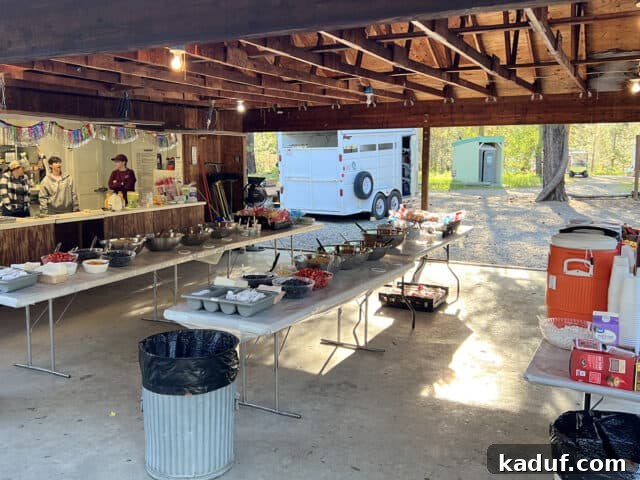
While I’ve provided specific quantity tips within the detailed meal tables above, here’s a concise overview of my general approach to calculating quantities and key lessons learned from having occasional leftovers.
- Meat (for meat-centric meals): Plan for 1/3 pound of uncooked meat per person for dishes where meat is the primary component, such as sloppy joes or pulled pork sandwiches.
- Meat (for less-meat meals): Reduce to 1/4 pound of uncooked meat per person for meals where meat is part of a larger dish, like spaghetti sauce or Hawaiian Haystack gravy.
- French Toast: Allocate two slices of French toast per person. For the egg/milk mixture, a good ratio is 1 egg plus 1/4 cup milk for every 2 slices of bread.
- Watermelon: A typical average to large-sized watermelon generally yields about 50 servings when cut into sticks or cubes.
- Rice: A good starting point is 1/4 to 1/3 cup of DRY rice per person, which expands considerably when cooked.
- Pasta: Plan for approximately 2 ounces of dry pasta per person. For our easy pasta bake, we actually needed slightly less than this, possibly due to our group’s varied appetites and the abundance of side dishes offered.
- Ice Cream: Expect to get 18-20 servings from a gallon of ice cream, depending on scoop size.
- Root Beer (for root beer floats): Each liter of root beer typically provides 10-12 servings for floats.
Please feel free to ask any specific quantity questions in the comments section below, or refer back to the detailed tables for each meal for more precise information. I’ve endeavored to include a wealth of practical tips there!
CRITICAL KITCHEN EQUIPMENT FOR LARGE-SCALE COOKING
Based on our extensive experience, here is a list of essential equipment that proved absolutely invaluable at girl’s camp – items we truly couldn’t have managed without:
- Electric Roasters: We had eight of these at camp. While we had to strategically distribute them among different electrical outlets when all were in use, they were truly indispensable for both cooking food during pre-camp prep and for reheating and keeping warm at camp.
- Electric Roaster Liners: My entire committee unanimously agreed that these liners were single-handedly our biggest lifesaver at camp. We utilized the electric roasters for nearly every meal. The fact that we didn’t have to painstakingly scrub several of them clean after each meal was a much-needed time (and back) saver.
- Handy Chopper: One of my committee members brought this chopper to camp. I hadn’t owned one before, but after witnessing its efficiency at camp, I was immediately converted and promptly purchased my own. Even with just one, it revolutionized chopping strawberries and tomatoes, among other items. Although the description suggests it may not work for tomatoes, it performed admirably for us when using firm cherry tomatoes and a firm hand.
- Knife Sharpener: We performed a significant amount of other chopping tasks – preparing cucumbers, lettuce, and more. Our knives were subjected to overtime duty, making a reliable knife sharpener absolutely critical to maintaining their optimal performance throughout the week.
- Disposable Aluminum Pans: We found these full-size pans incredibly versatile for EVERYTHING: heating, serving, and preliminary prep. While we washed and reused many of them throughout the week, we were immensely grateful to have started with a substantial stack.
- Block Ice: We strategically used block ice to keep water cold in dispensers throughout the day. It proved far superior to cubed ice, lasting much longer and being easier to stack and store efficiently in the freezer.
DETAILED DAY-BY-DAY CHARTS & ESSENTIAL SPREADSHEETS
My affinity for spreadsheets runs deep; some might even describe it as a touch… excessive. However, these meticulously organized spreadsheets and charts were my absolute saving grace during the intense planning, purchasing, and execution phases of cooking for 270 people for an entire week. Their systematic approach brought order to potential chaos.
While my original, highly specific spreadsheets wouldn’t be directly applicable to everyone, as they contained information tailored precisely to my committee and our unique circumstances, I maintained the following vital documents:
- Prep Calendar: This calendar meticulously outlined what food items needed to be prepared and when, spanning the many weeks leading up to camp, ensuring a phased and manageable workflow.
- Master Meal Planning Spreadsheet: A comprehensive document listing every meal item, along with all the individual ingredients required for each item and its sub-components, providing a holistic view of needs.
- Master Shopping List: This detailed list was strategically categorized by when items needed to be purchased (e.g., pantry staples bought weeks in advance vs. fresh ingredients procured the day before or day of camp) and assigned to specific committee members for execution.
- Budget Spreadsheet: A diligent tracker that recorded every expenditure, noting the amount, date, and purpose of each purchase. In the end, I was thrilled to find we came in slightly under budget – a significant achievement!
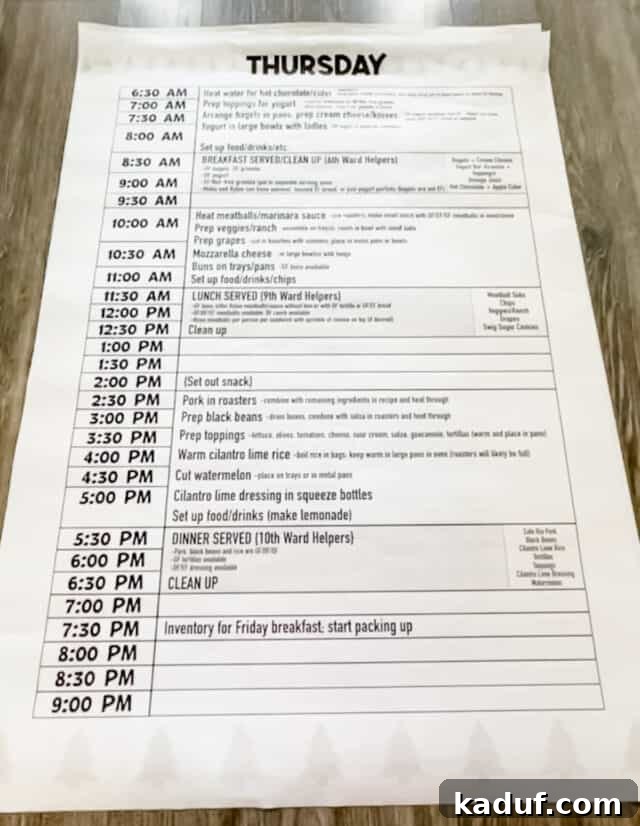
- Day-by-Day Girls Camp Plan Spreadsheet: This was arguably the most intricate of all spreadsheets. It detailed, hour-by-hour, the tasks required at camp for each meal’s preparation, how foods were to be served, what serving vessels to use, and a multitude of other crucial operational specifics.
I converted this extensive plan into large engineering prints (as seen below), which we prominently displayed on the back of the camp kitchen door. This served as a constant reference point, keeping everyone precisely on track!
Indeed, I received plenty of good-natured teasing from leaders and girls who peeked into the kitchen and saw my minute-by-minute outlines. 😂 While some may have considered it excessive, it undeniably kept us organized and efficient, and my committee members unanimously agreed it was incredibly helpful to have a clear roadmap of exactly what needed to be done at all times.
Here is a .pdf version of my detailed day-by-day plan for your reference. It showcases the level of detail I included (with personal identifying information carefully removed). Unfortunately, sharing this in a customizable format is not feasible or straightforward, as the original files are enormous and the program used is not user-friendly for widespread distribution.
Phew! AND THAT’S A WRAP! This might just be the longest and most detailed post I’ve ever compiled for this blog!
I distinctly remember feeling utterly exhausted after the girls’ camp concluded. But honestly, I think I’m even more fatigued now after meticulously reviewing and typing up all of this extensive information. 😂
Undoubtedly, planning and preparing meals for a large church camp – or any significant group gathering – demands an immense amount of effort and dedication. However, with the right team of helping hands, meticulous planning, and a thoughtfully curated, delicious menu, it is an entirely achievable and deeply rewarding endeavor! The smiles on the faces of those you feed make every ounce of effort worthwhile.
I wholeheartedly encourage you to utilize the comment section below! Please feel free to ask any questions you might have, and even more importantly, share your own experiences, favorite meals to prepare for large groups, invaluable tips, or any lessons you’ve learned along the way. We truly learn the most and grow together when we share our collective knowledge and insights!